


Russia’s capital Moscow is a city with great history and important landmarks. When you think of Moscow, the Kremlin and Red Square immediately come to mind. Most visitors need a visa to see Russia but the effort is worthwhile. There is something very special about its city architecture with its churches both impressive and colourful.
The business district is thoroughly 21st Century although Moscow images tend to concentrate on more traditional architecture. The population of Moscow City exceeds 12 million while 20 million live in the greater metropolitan area. Moscow is a giant city in more ways than one.
Red Square
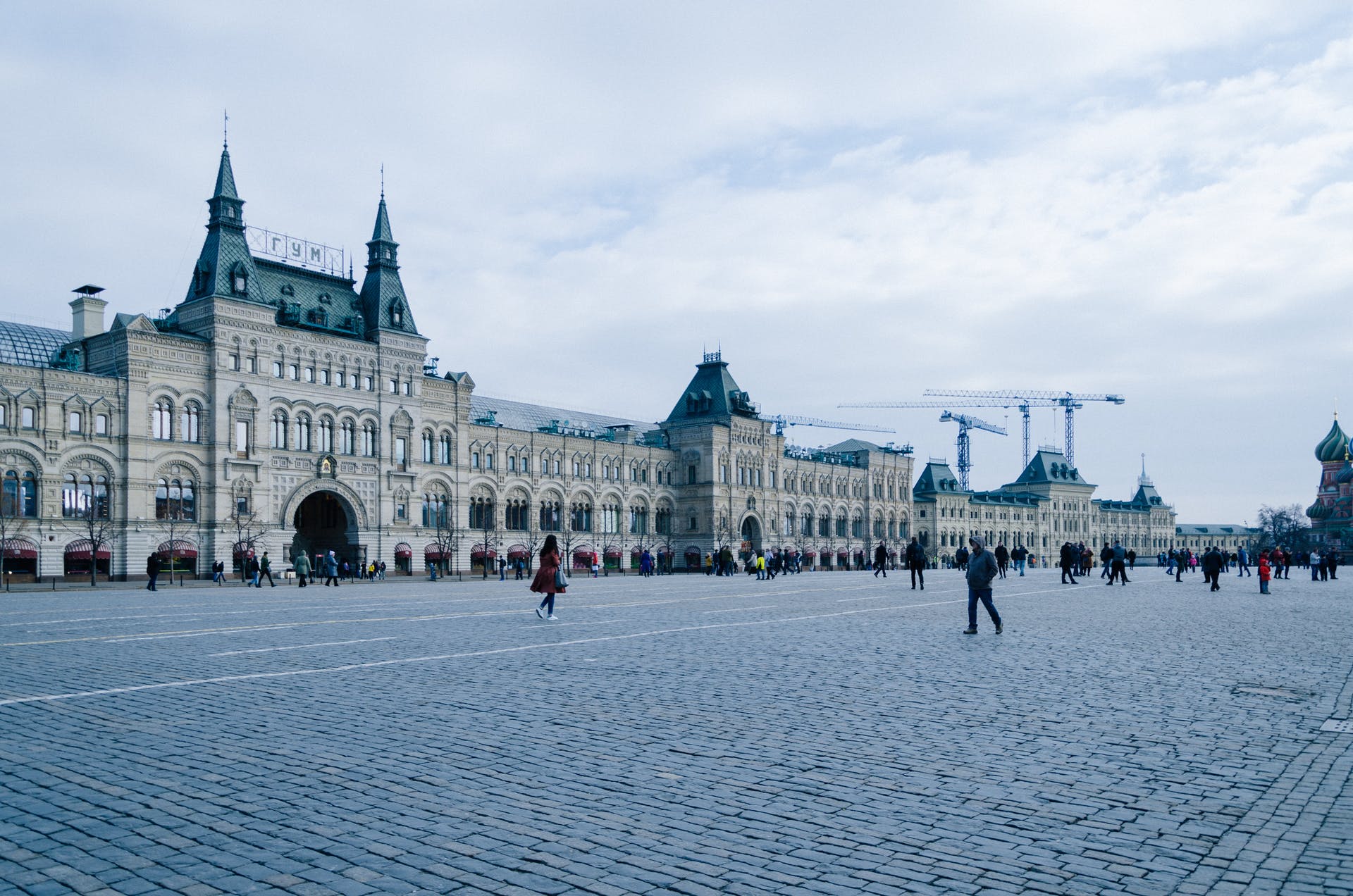
Red Square is the heart of Moscow. It is the place where Russia traditionally parades its military might but it is much more than that. Red Square became a UNESCO World Heritage site in 1990. Rectangular in shape, Red Square is 330 metres long and 70 metres wide.
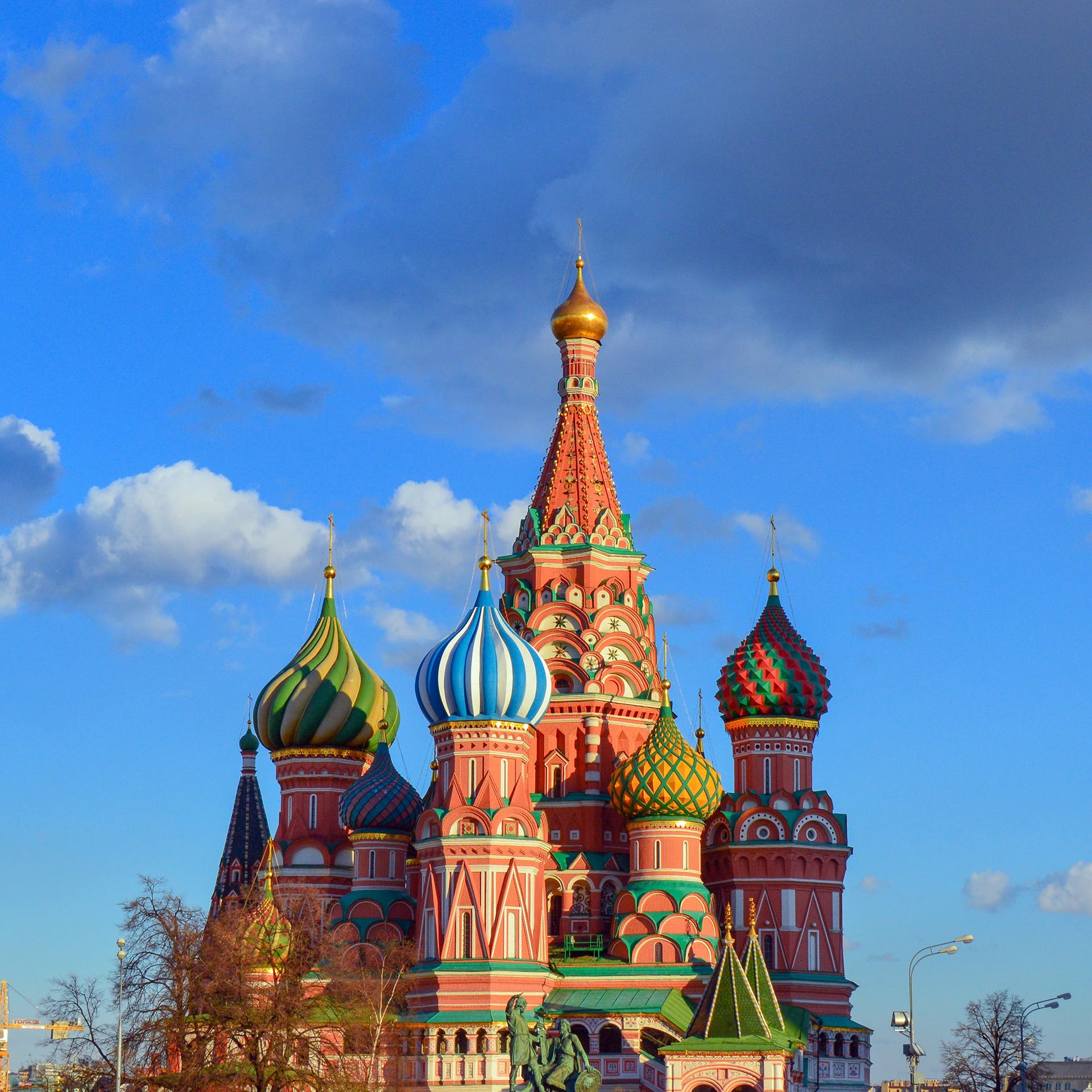
Several important Moscow landmarks line its edge, including the Kremlin, Lenin’s Mausoleum, the State Historical Museum and St. Basil’s Cathedral. It began as a market place in the 16th Century. Subsequently, it has taken on much more significance as time has gone by. However, the huge GUM department store on the east side of the Square continues the retail tradition.
Kremlin
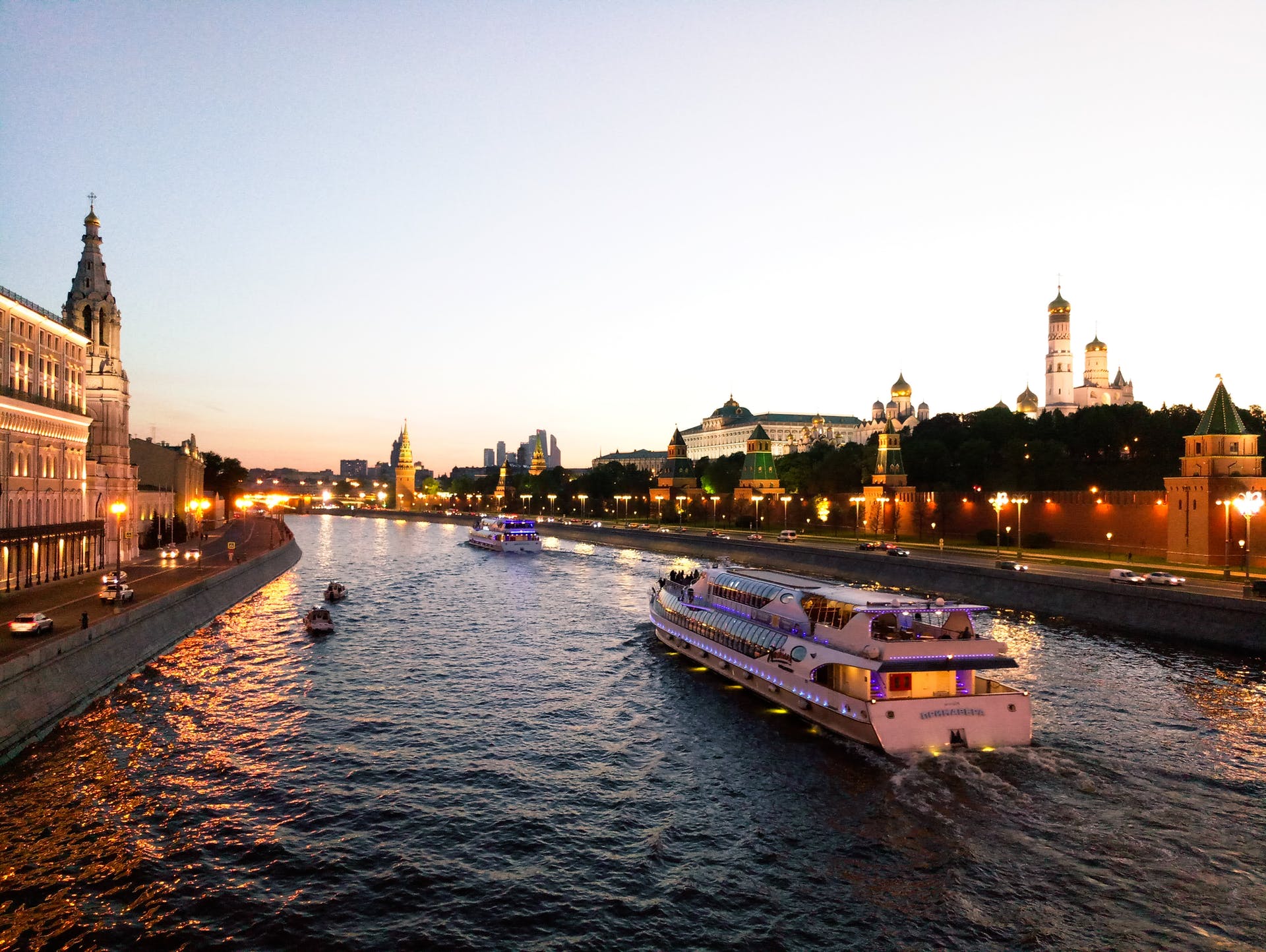
No Moscow visit is complete without going to the Kremlin. Found overlooking the Moskva River, its mention is synonymous with communist power for decades. Even though an element of liberalisation has meant there is less mystique behind its walls, the Kremlin still represents a formidable power base.
The 15th Century complex includes several palaces and cathedrals surrounded by a wall with defensive towers. The Kremlin was the home of the tsars away from St. Petersburg. It is now home to the Russian president but has a museum and is available to the public for tours.
The Moskva River
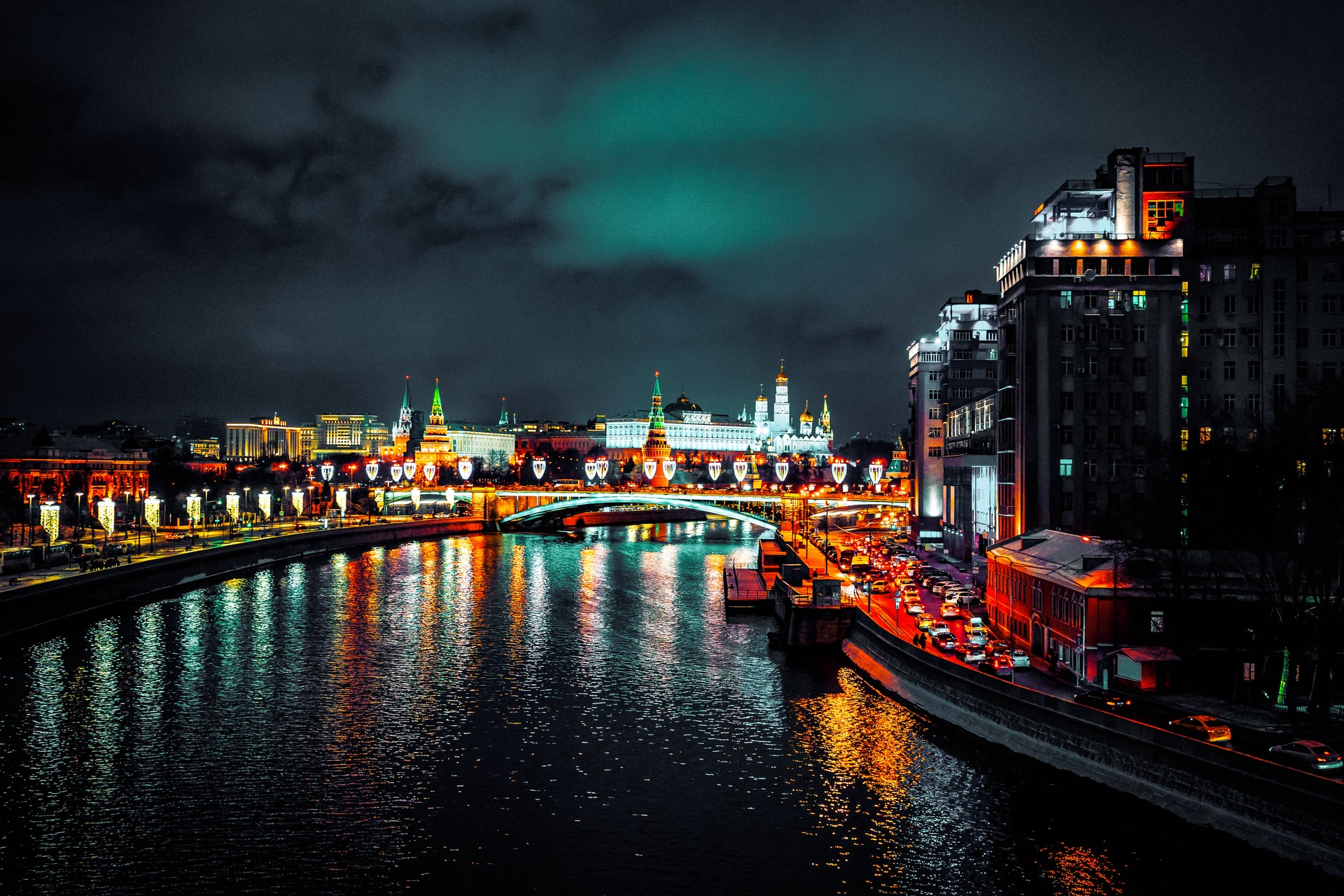
The Moskva River running through the City is hard to miss. Many of Moscow’s major landmarks are visible from its waters. The City’s largest recreation area, Gorky Park is also close to these famous waters. Moscow travel is made easy by the river but more importantly the city metro.
The River runs east, joining the Oka and ultimately the Volga before reaching the Caspian Sea.
Zhivopisny Bridge
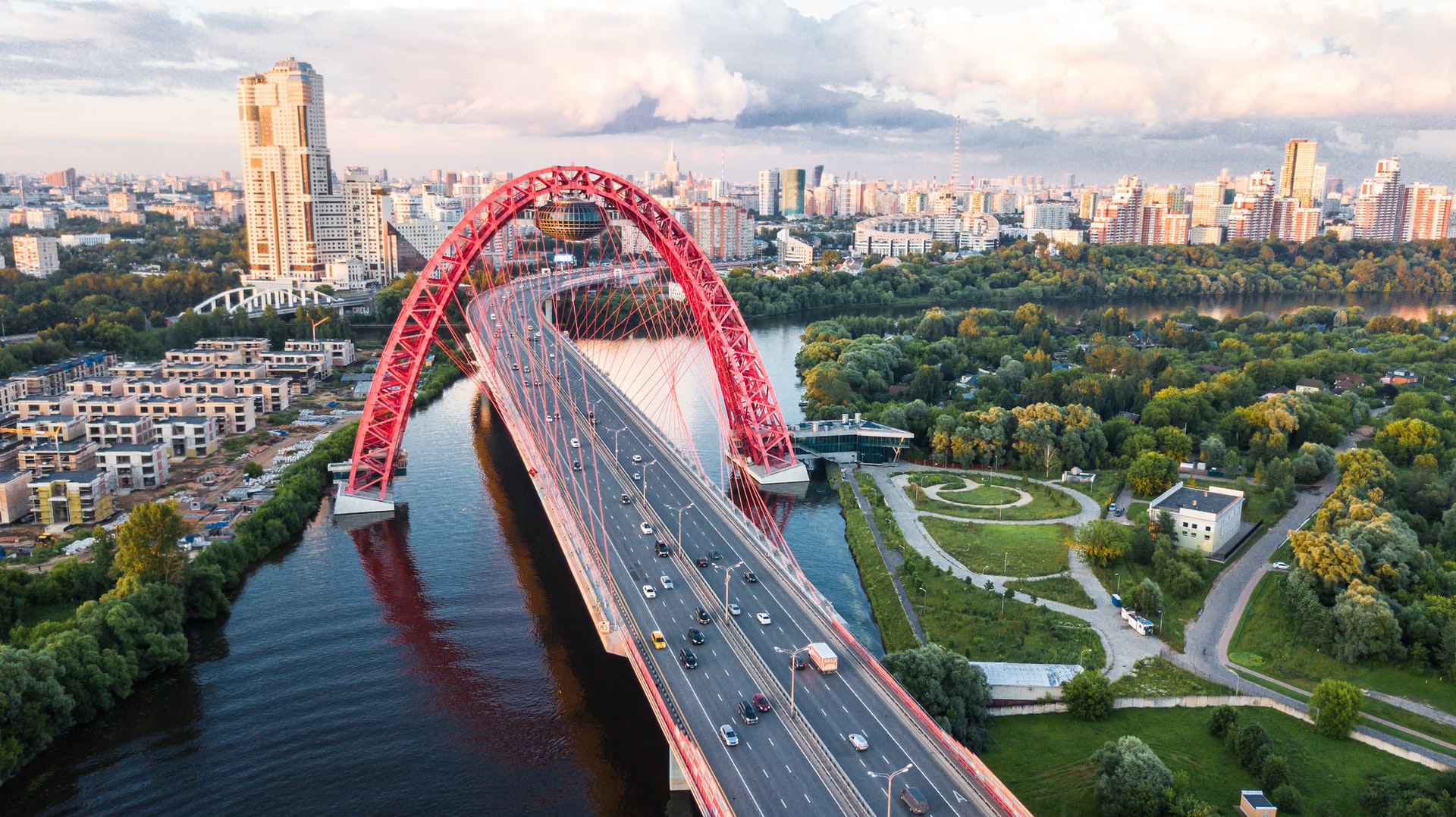 This modern bridge in north-west Moscow is Europe’s highest cable-stayed bridge. It actually runs lengthwise along the River rather than directly across. In total it stretches 1.5 kilometres. Originally there was a plan to build a restaurant under the arch but that idea has yet to be actioned.
Resurrection Gate
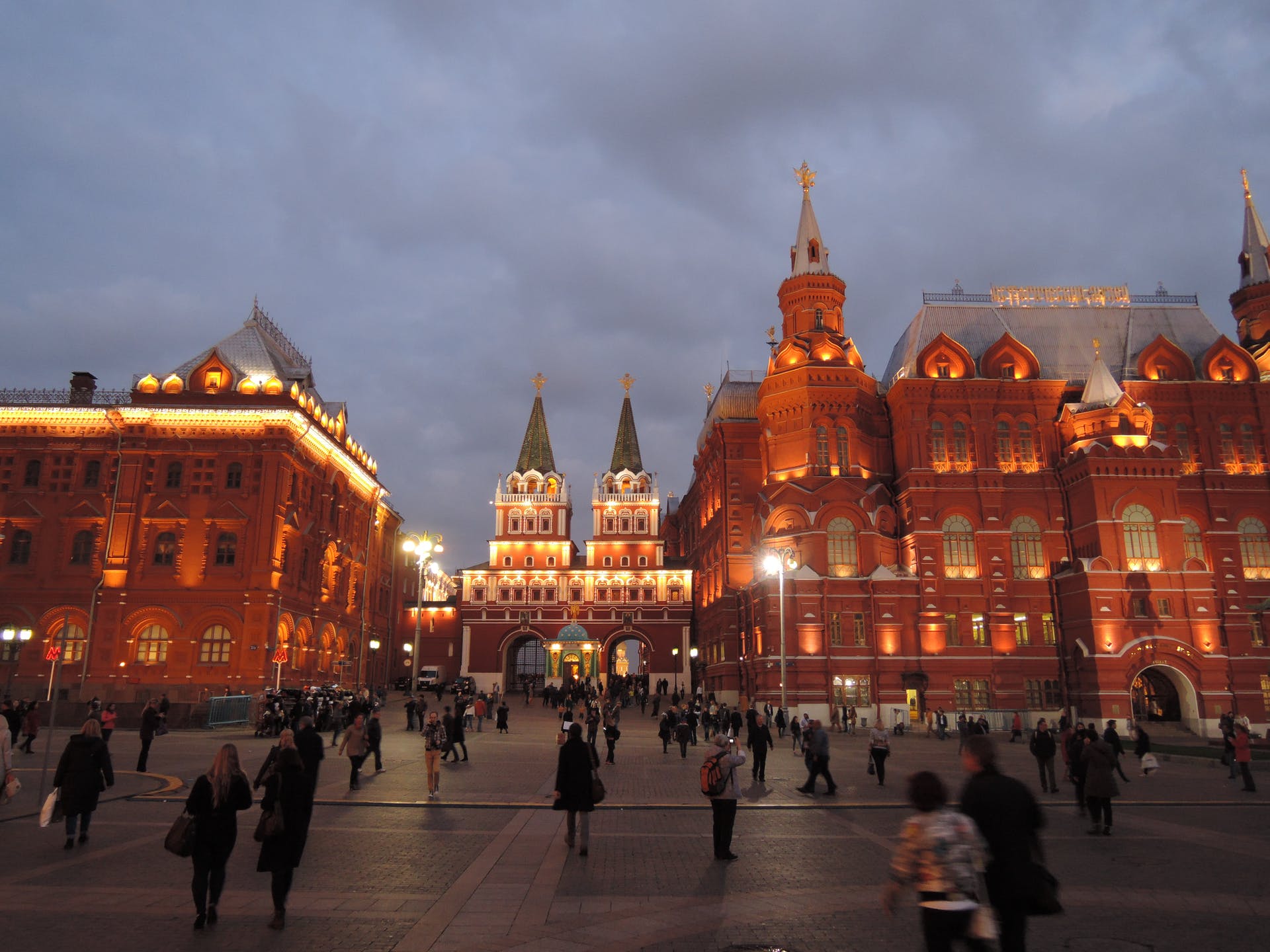
The original purpose of the Resurrection Gate back in the late 17th Century was fortifications. Its role during the Russian Empire was symbolic; the entrance to Moscow. Today it remains one of the entrances into Red Square. Unfortunately, the original Gate was dismantled to allow for military equipment to get into Red Square for parades. What you see today is a little more than 20 years old but an exact replica of the original.
St. Basil’s Cathedral
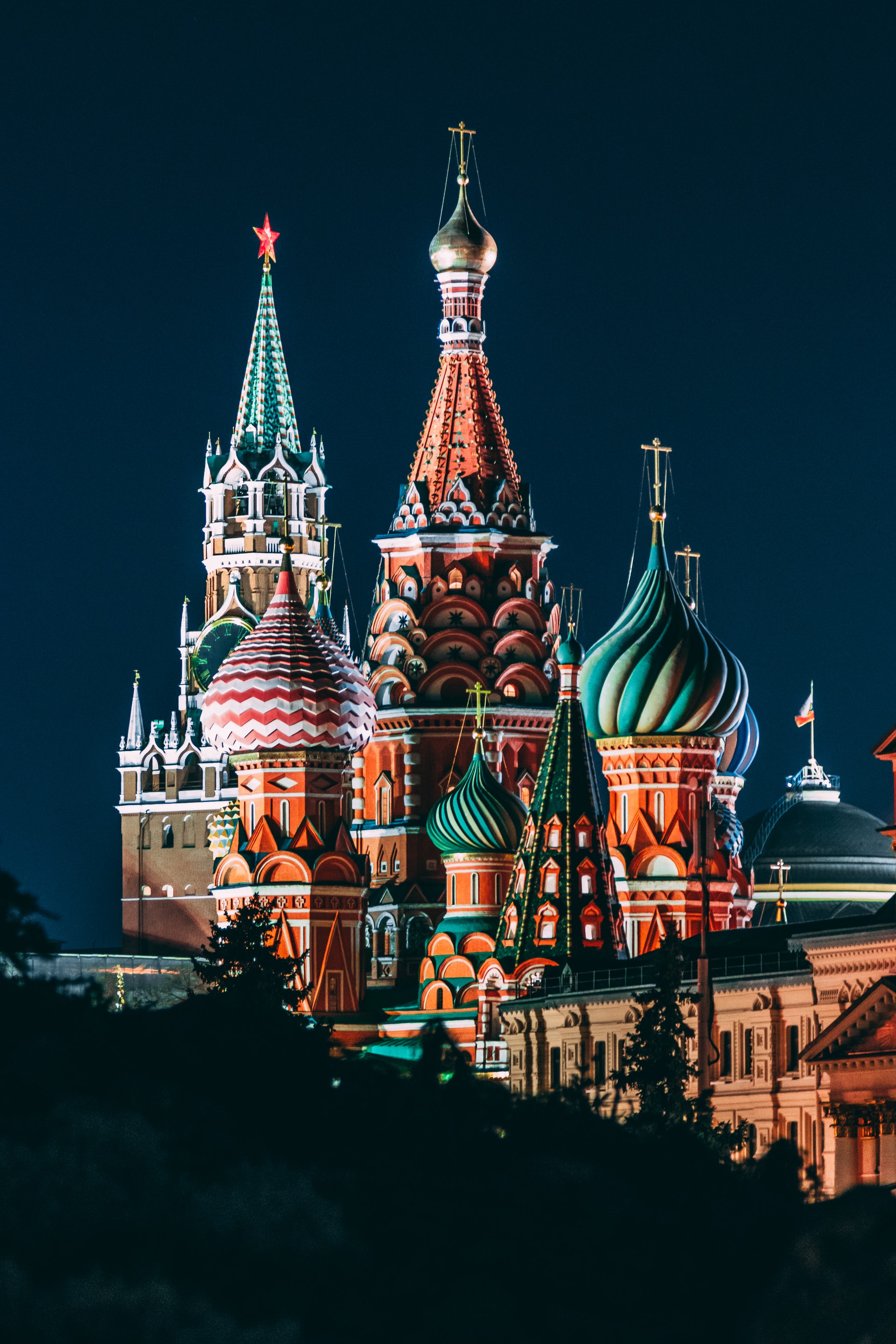
Few cathedrals make such an instant impression on the visitor than St. Basil’s on the south side of the Square. No collection of Moscow photos is complete without the inclusion of this colourful cathedral. These days, there are only intermittent services held here because St Basil’s is now part of the State History Museum.
It was not always so of course. Ivan the Terrible built this wonderful place of worship in the 16th Century. Its colourful history includes Napoleon’s instructions to blow it up as he fled Moscow. Fortunately, rain extinguished the fuses.
Cathedral of Christ the Saviour
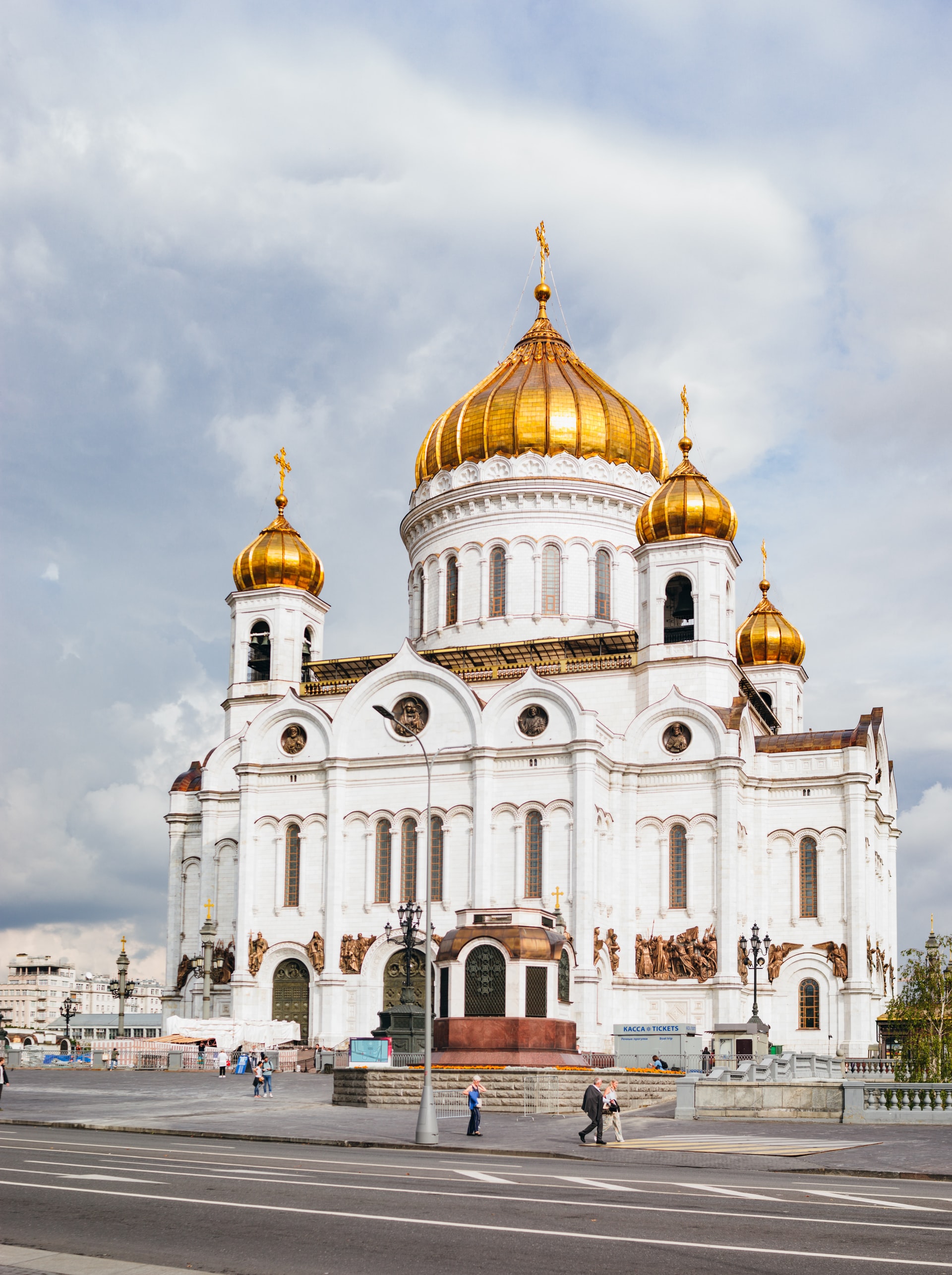
This stunning cathedral on Moskva’s north bank stands just over 100 metres high. You will find it just south-west of the Kremlin and it surely merits inclusion in your Moscow photo album. There is an excellent view of the Cathedral from a bridge over the river. Originally there was a 19th Century church on the site but Stalin ordered its destruction. Today’s cathedral is relatively new, constructed thanks to public donations after the breakup of the Soviet Union.
Moscow State University
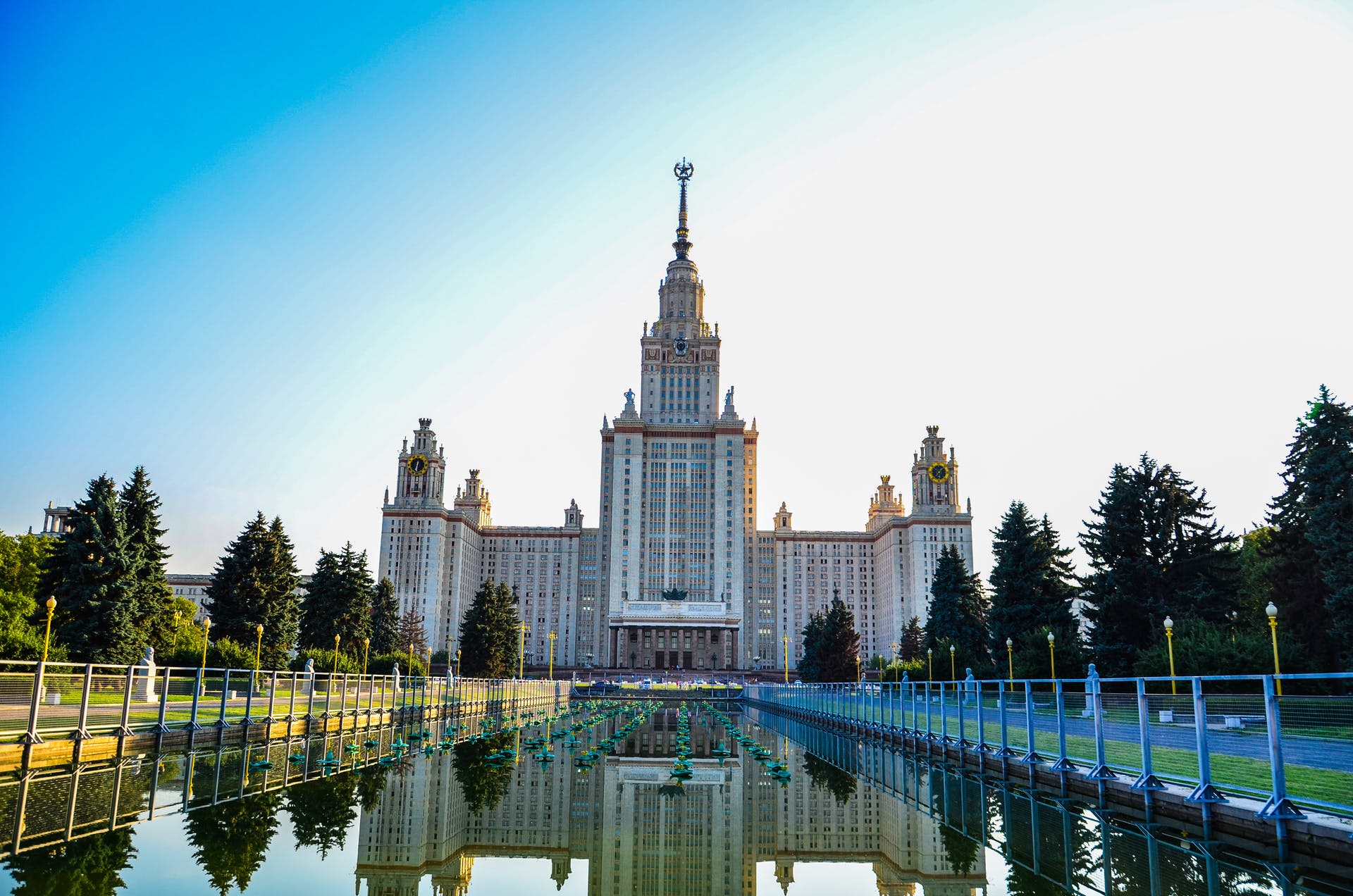
This was the first university established in Russia. It dates from the mid-18th Century. Almost 50,000 students study there while it has an important research function for the Russian State. The writer Anton Chekhov and former leader Mikhail Gorbachev are among its many famous graduates.
When Jean Michel Jarre went to Russia to perform, the whole of the front of the University became his backdrop. Estimates suggest that 3.5 million people worldwide watched the show.
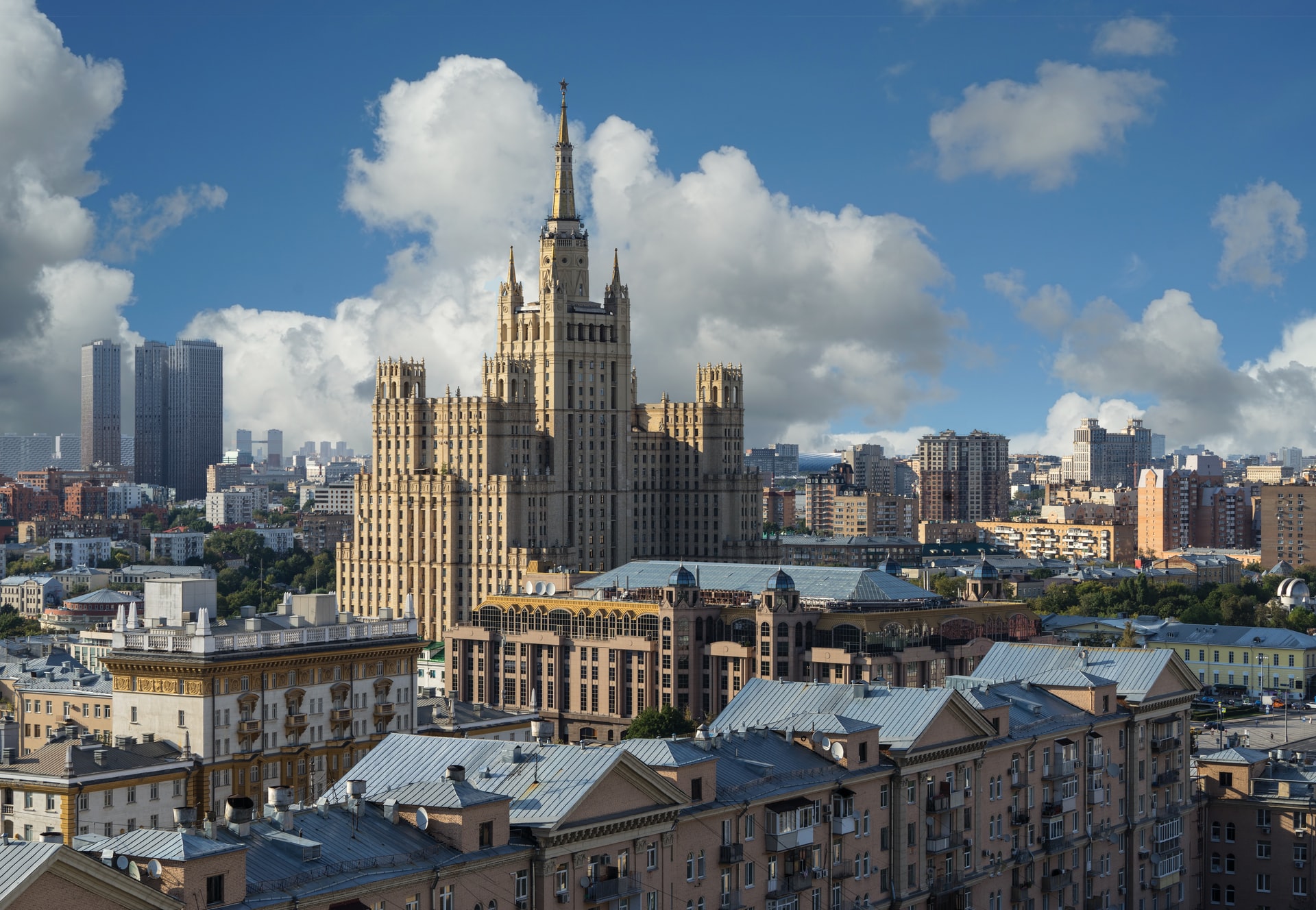
Stalin believed that Russia would attract significant visitors despite the existence of the Iron Curtain and he wanted to show Russia’s prowess. That meant building skyscrapers, he thought. He ordered seven which were built between 1947 and 1953 in Gothic and Baroque style. Nicknamed the Seven Sisters, one is the main university building while two of the seven are hotels and a further two ministries.
Business District & Mercury Tower
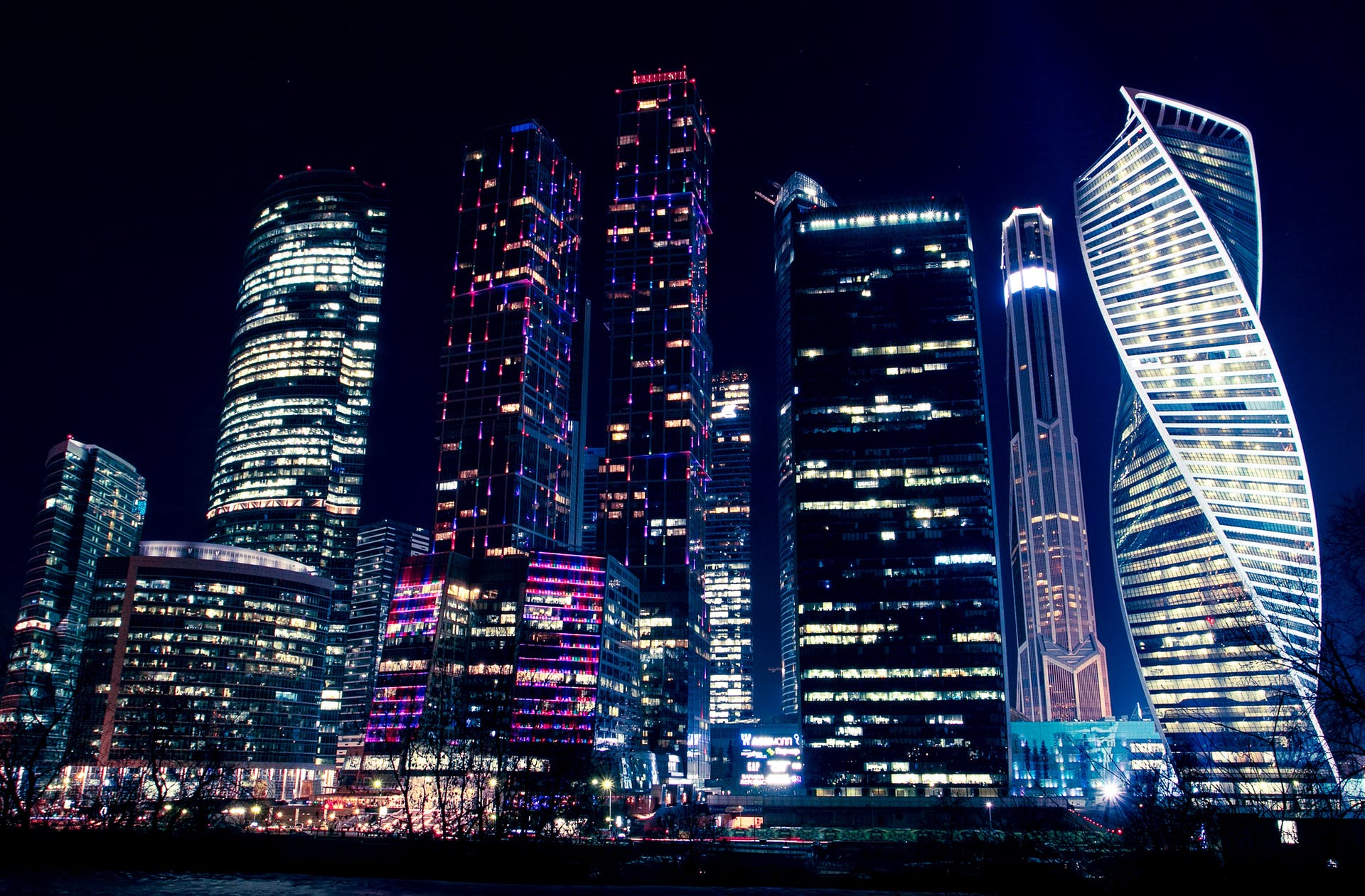
There is a thoroughly modern part of Central Moscow. That is not surprising as the City is the heart of the Russian economy. Moscow is a growing city and the capital of a country with enormous natural resources. Oil and natural gas stand out so it is not surprising that there is a thriving commercial district within Moscow.
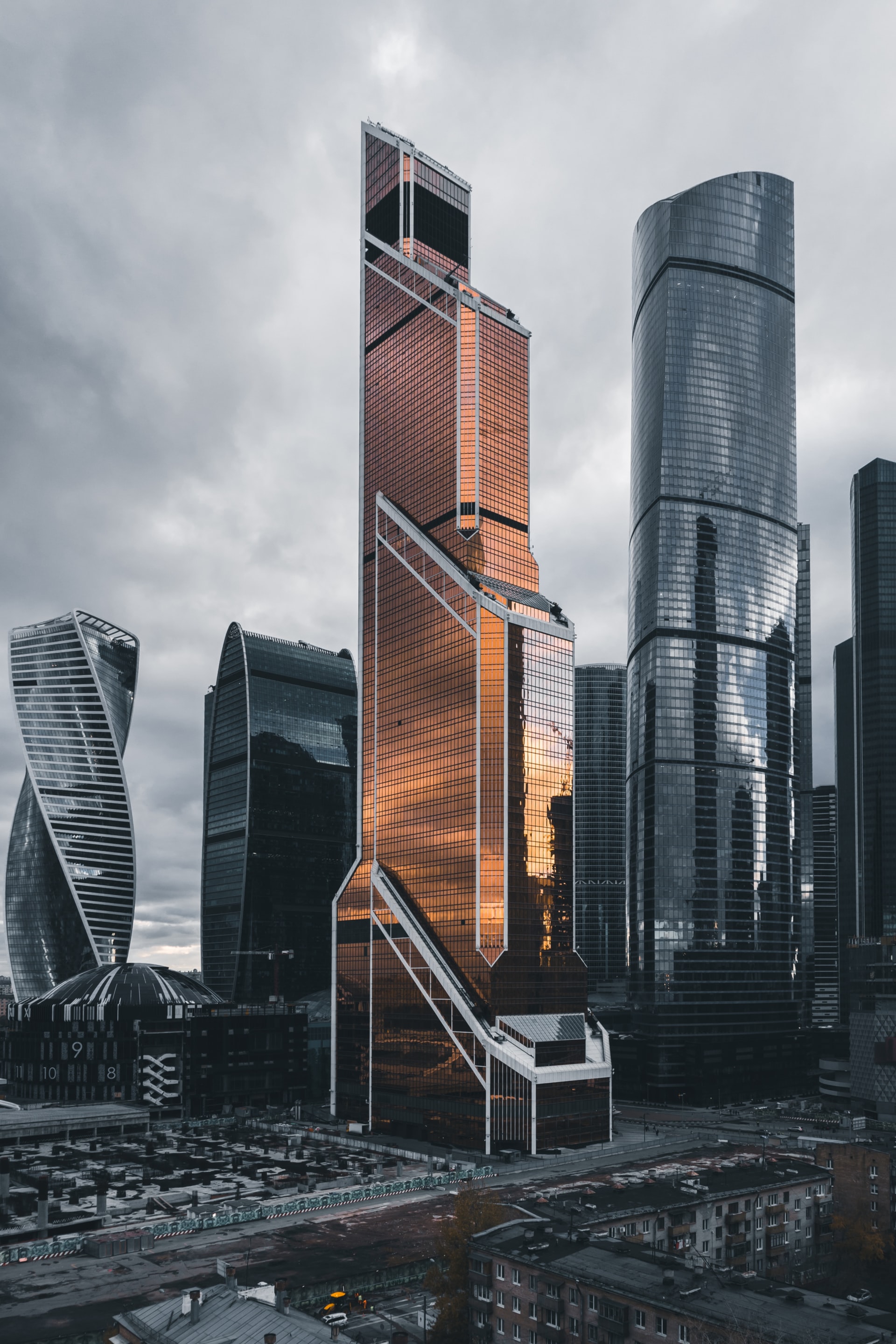
Post the Soviet Union’s breakup, a market economy grew and along with it the modern skyscrapers you see today. The Mercury Tower at almost 340 metres is a fine example. It includes residential apartments, offices and retail units. The Mercury Tower took 7 years to complete, opening in 2013. It has 75 floors, cost $1 billion to build and is privately owned.
Conclusion
Russia is keen to attract tourism and there is certainly plenty for the tourist to see in Moscow. It is a city that appeals to travellers instantly. You need to plan properly to enjoy time in Moscow but the effort is definitely worthwhile.