


The port city of Shanghai on the estuary of China’s Yangtze River was no more than a fishing village in the 19th Century. Today it is a vibrant commercial centre of over 25 million people. It is the largest container port in the world and among the world’s largest conurbations.
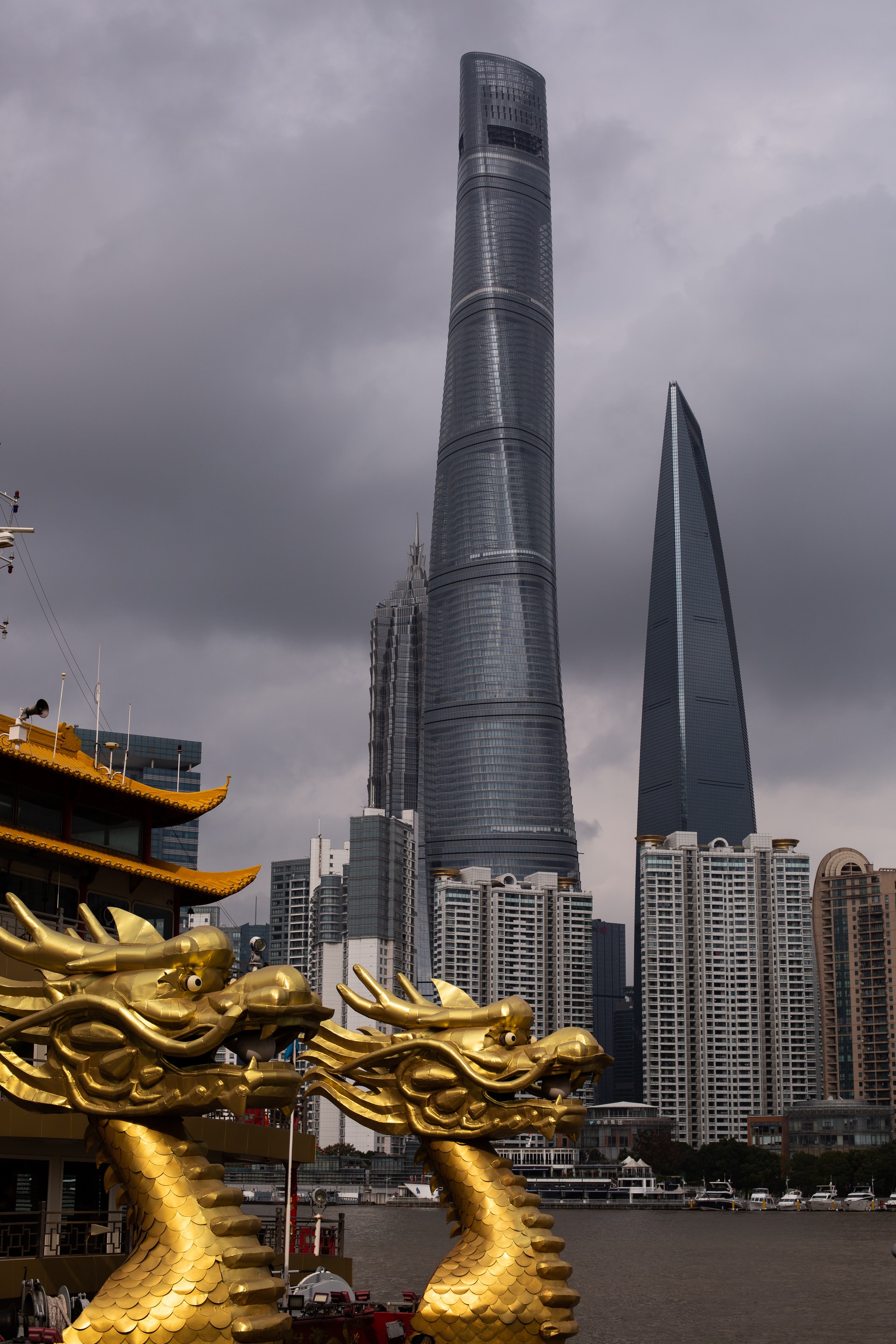
Its initial growth was gradual but towards the end of the 20th Century, development exploded. Today Shanghai is behind only London and New York as a financial centre, and thus is the largest in Asia. Modern architecture is seen throughout its heart yet there are plenty of examples of art deco and traditional architecture. That architecture dates back to the second half of the 19th Century.
The Bund
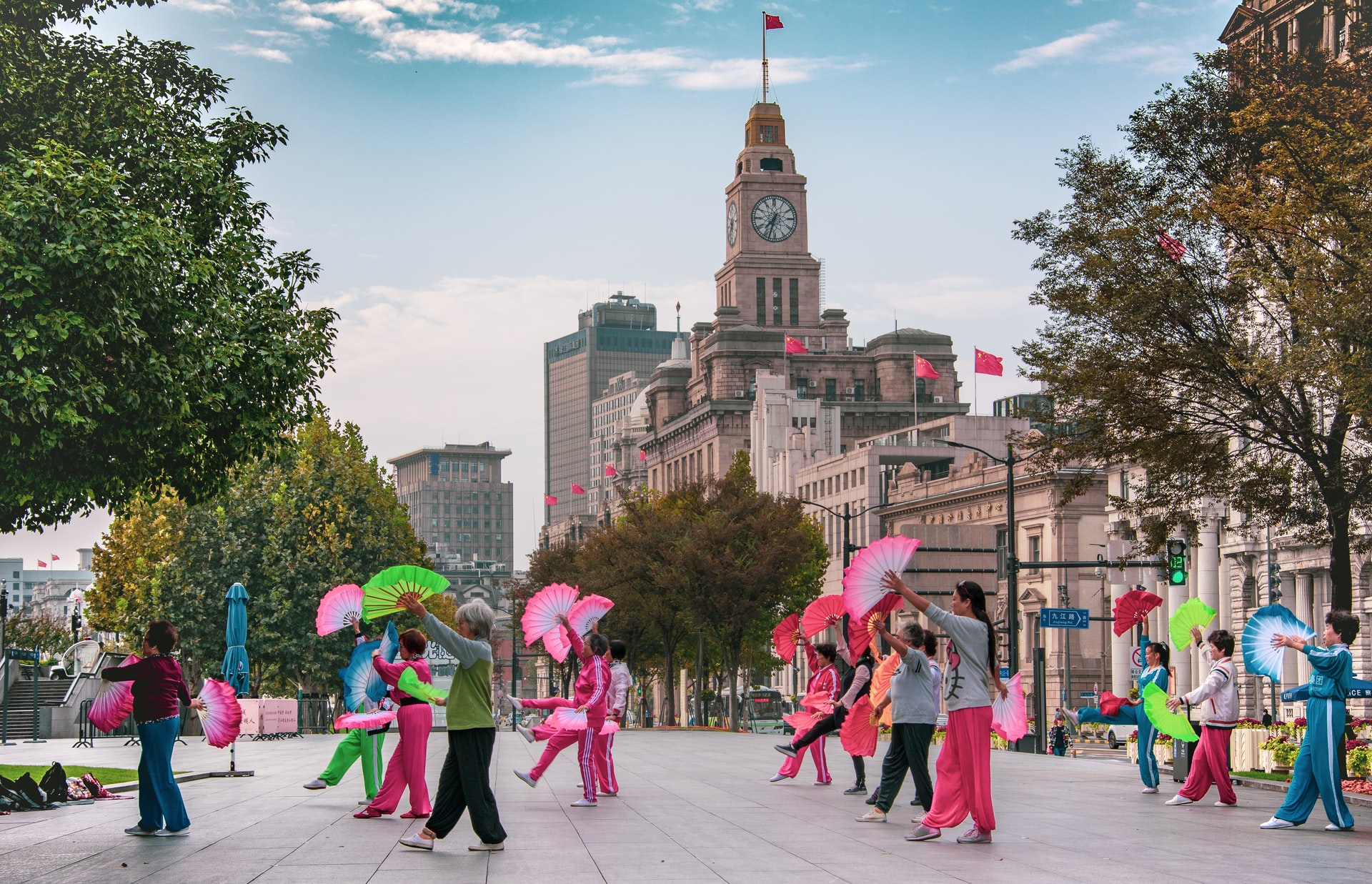
The historic district in the City includes the Bund. Shanghai’s historic district is central and starts on the waterfront, the west bank of the Huangpu River. If you are in the Bund and look across the river, the skyline is many of the modern skyscrapers that are a feature of Shanghai today. The Bund was at the heart of Shanghai’s commerce at one time, with European and USA trading houses located there. Its importance faded after Mao took over China but its importance was restored as China sought economic expansion. The whole range of Shanghai’s architectural styles is in evidence in the Bund including Renaissance, Gothic, Romanesque and Neo-Classical.
Yuyuan Garden
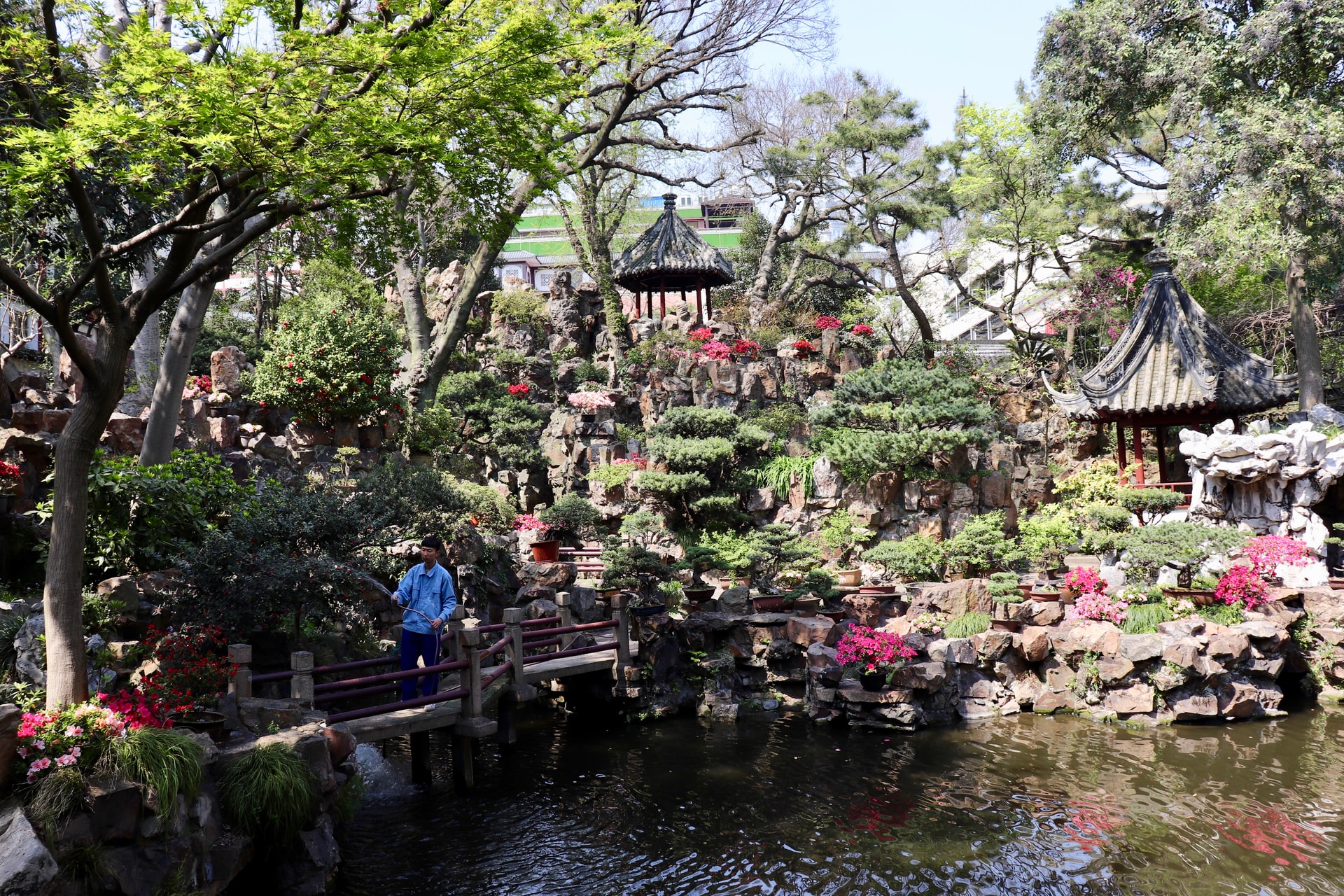
There are still some ‘’green spaces’’ in Shanghai despite its huge population. Yuyuan or Yu Garden is one of the most important. The ‘’Garden of Happiness’’ is to the northeast of the Old City and dates back to the middle of the 15th Century. Include in your Shanghai travel the centrepiece, a lovely 5-ton jade rock among your Shanghai pictures. It was retrieved from the River after its transport ship sank
The public has been able to enjoy the Garden since 1961 while other parks in Shanghai are more recent. For example, Shanghai Disneyland opened in 2016, the first such theme park in mainland China, having taken 5 years to complete. Shanghai Disneyland reopening in May 2020 after its temporary closing due to Covid-19 was seen as a sign that China itself had reopened for business.
Oriental Pearl Tower
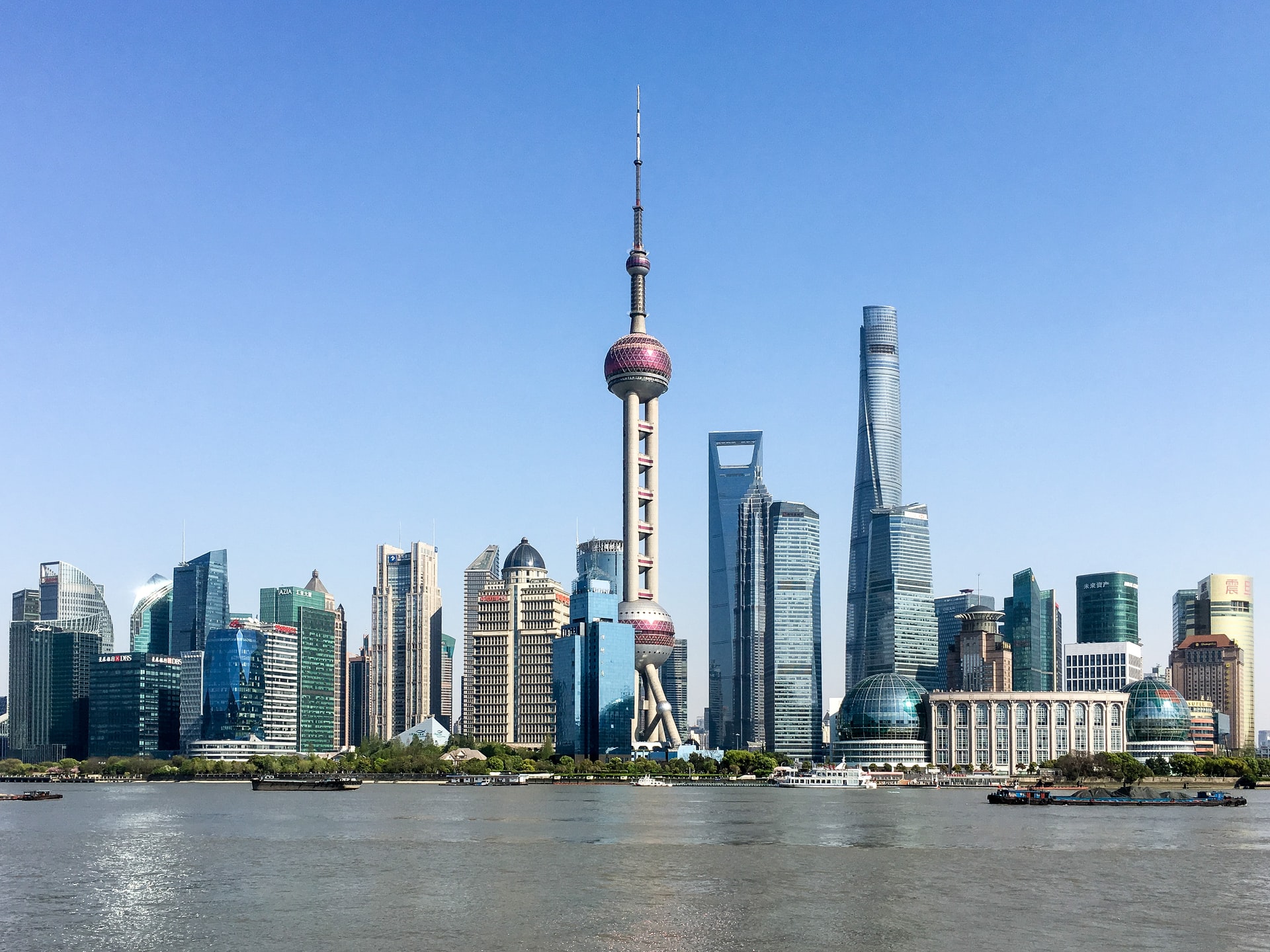 Pearl Tower, at 468 metres, was the highest building in Shanghai until surpassed by the World Financial Center in 2007. It is a television and radio tower on the banks of the Huangpu River which flows through the City. It is one of Shanghai’s most notable landmarks and has been since its completion in 1995. Your Shanghai photos should include the Tower at night when it is lit with a variety of LED sequences. There are three supporting columns that start underground while the two largest of the 11 spheres are 50 metres and 45 metres in diameter.
Jin Mao Tower
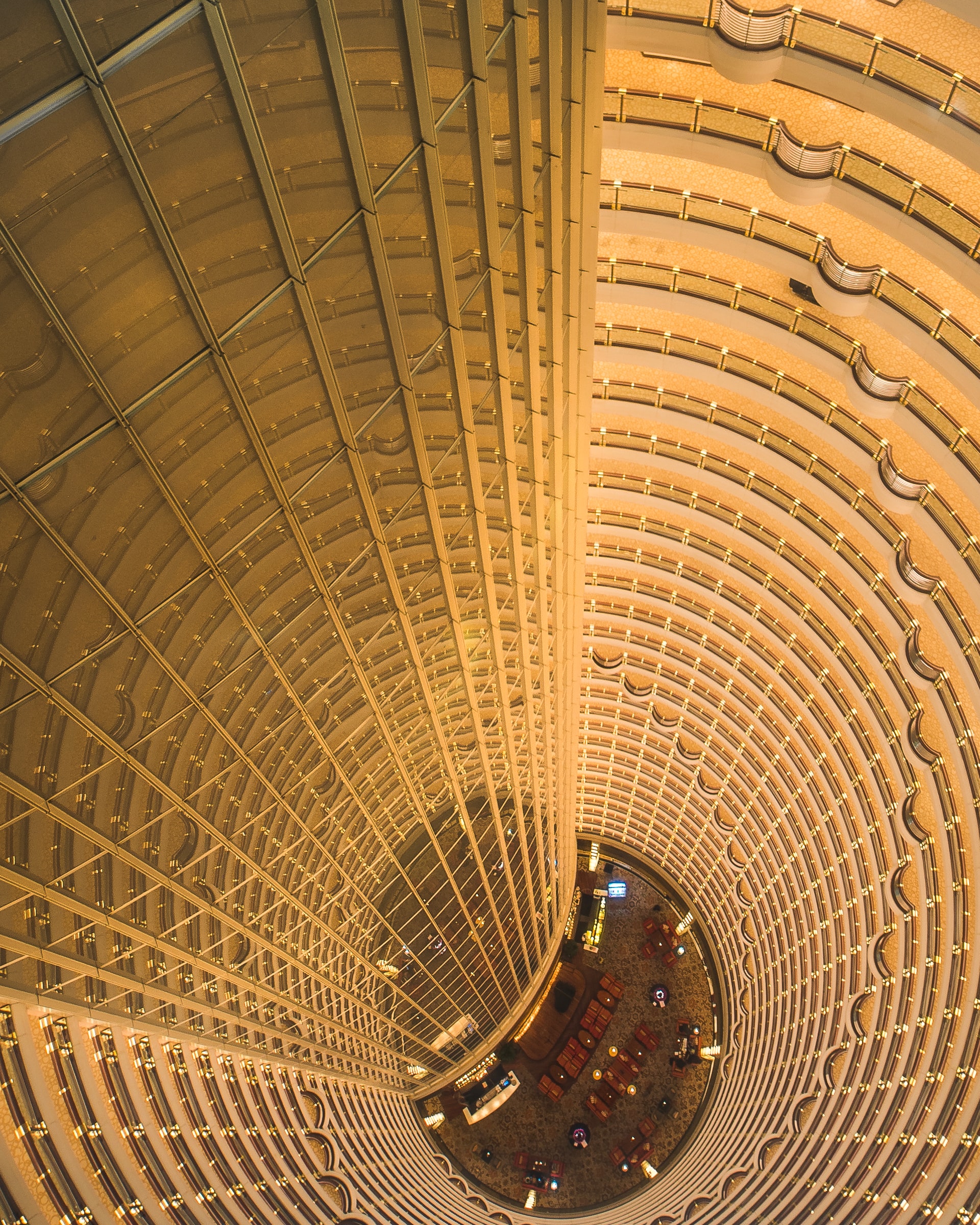
Another of Shanghai’s modern high buildings is ‘’Golden Prosperity’’, 420 metres tall, and 93 floors including those in the spire. It is multi-functional, including the Grand Hyatt Shanghai Hotel, which is located from the 53rd floor upwards. There are also offices and a shopping mall.
This Is Asia
There are times during your Shanghai travel when you might forget where you are. In places where you are surrounded by modern skyscrapers, you could be in any modern city in the world.
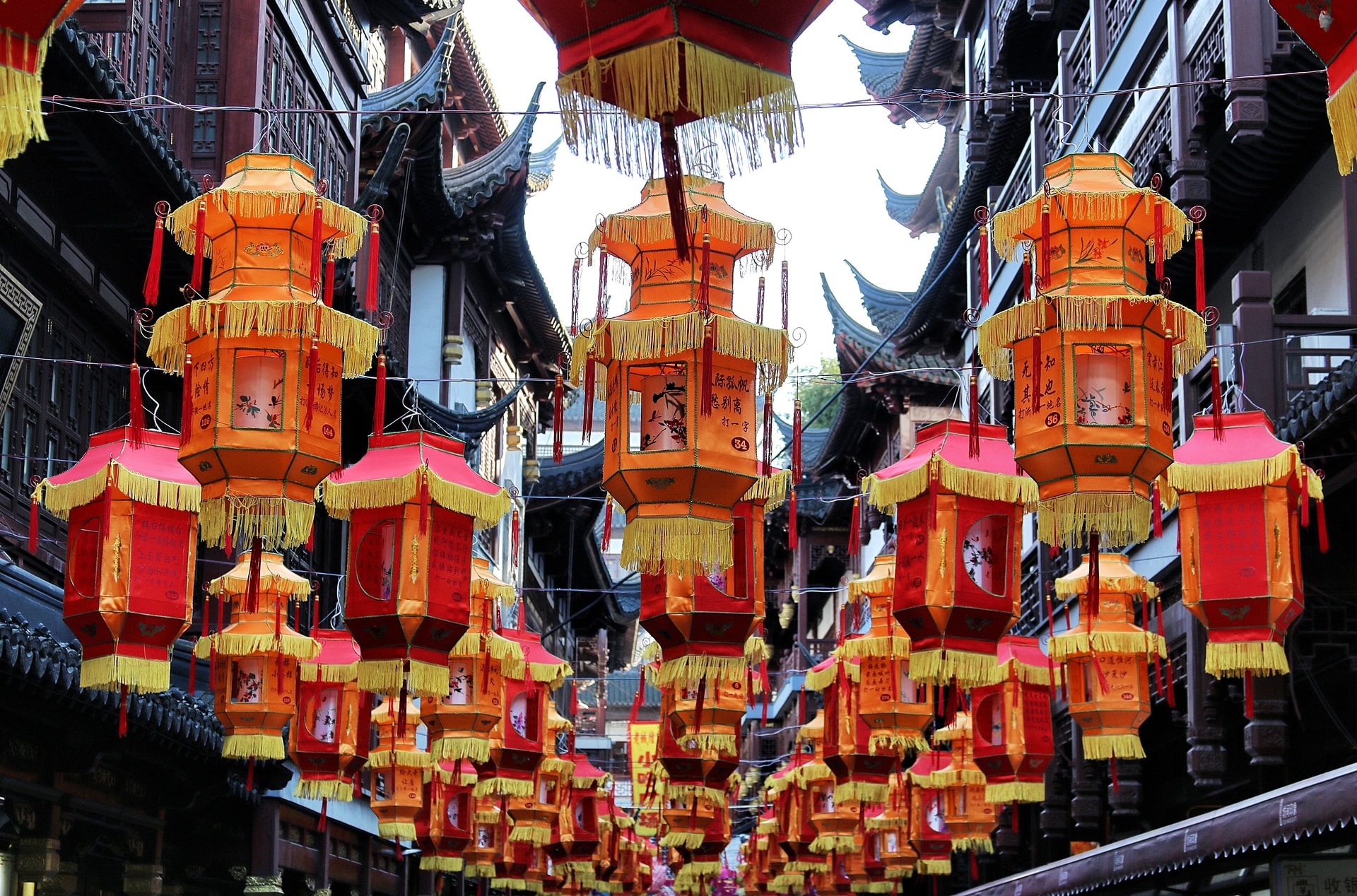
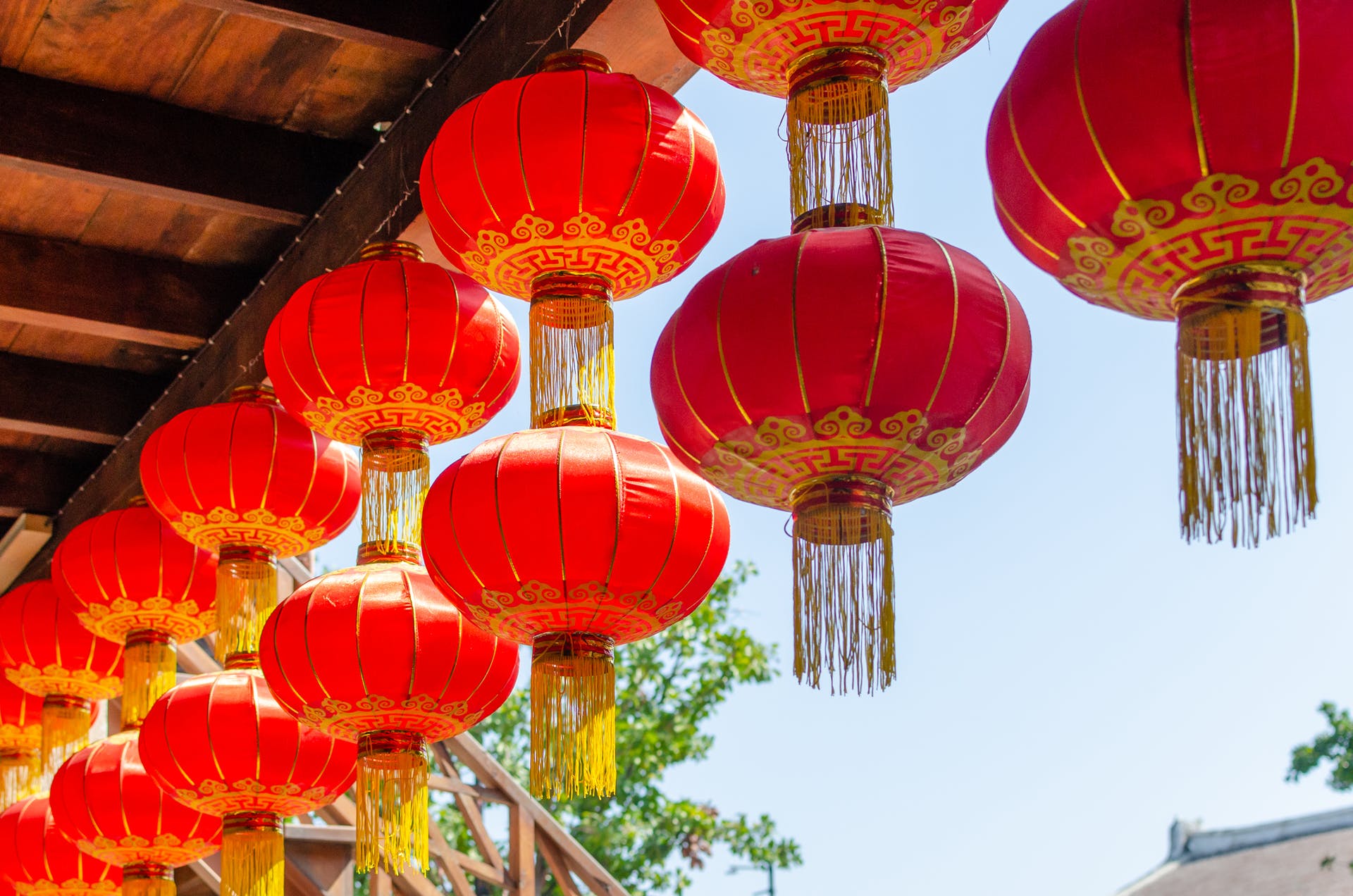
Colourful lanterns, pagodas and temples will remind you that this is Asia, specifically China and Shanghai.
Shanghai’s Pagodas
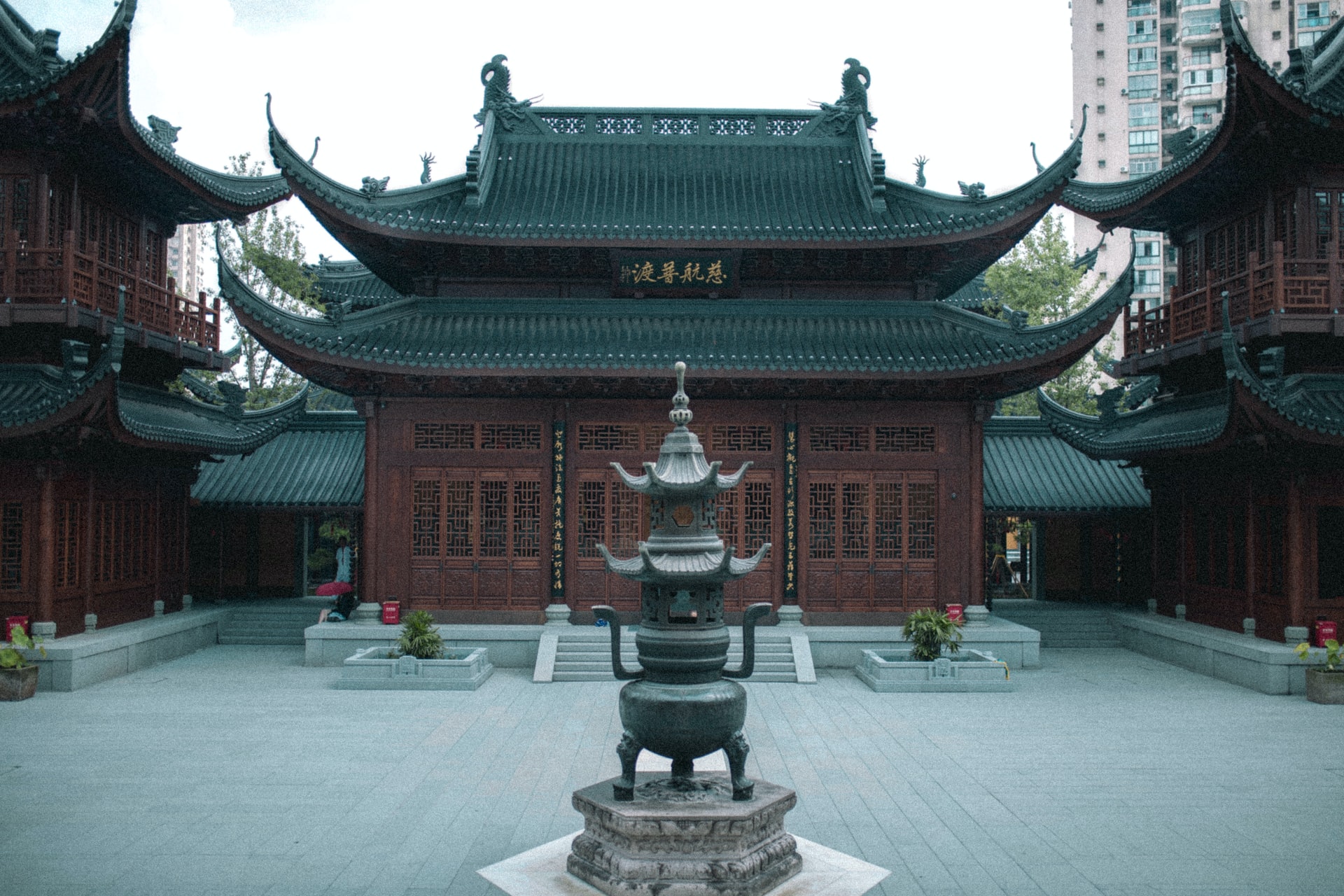
The history of Shanghai’s places of worship goes back to the early centuries AD. There are many pagodas, and most have been destroyed and rebuilt through years of turbulence.
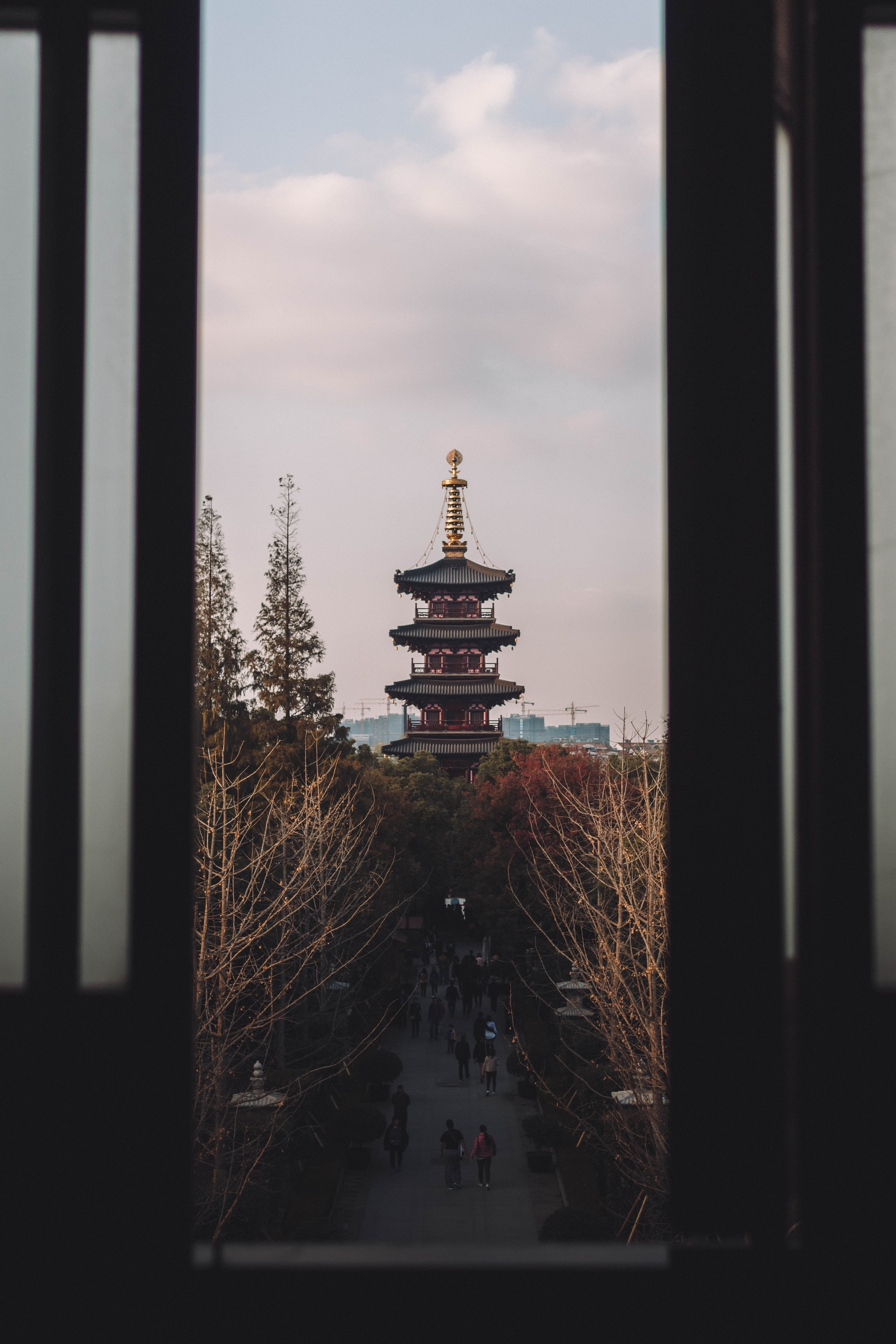
Even to the trained eye, they all appear as they did when first built, such has been the skills of craftsmen called to rebuild, restore and renovate at various times in history. Every visitor to Shanghai is bound to have a favourite.
Jing’an Temple
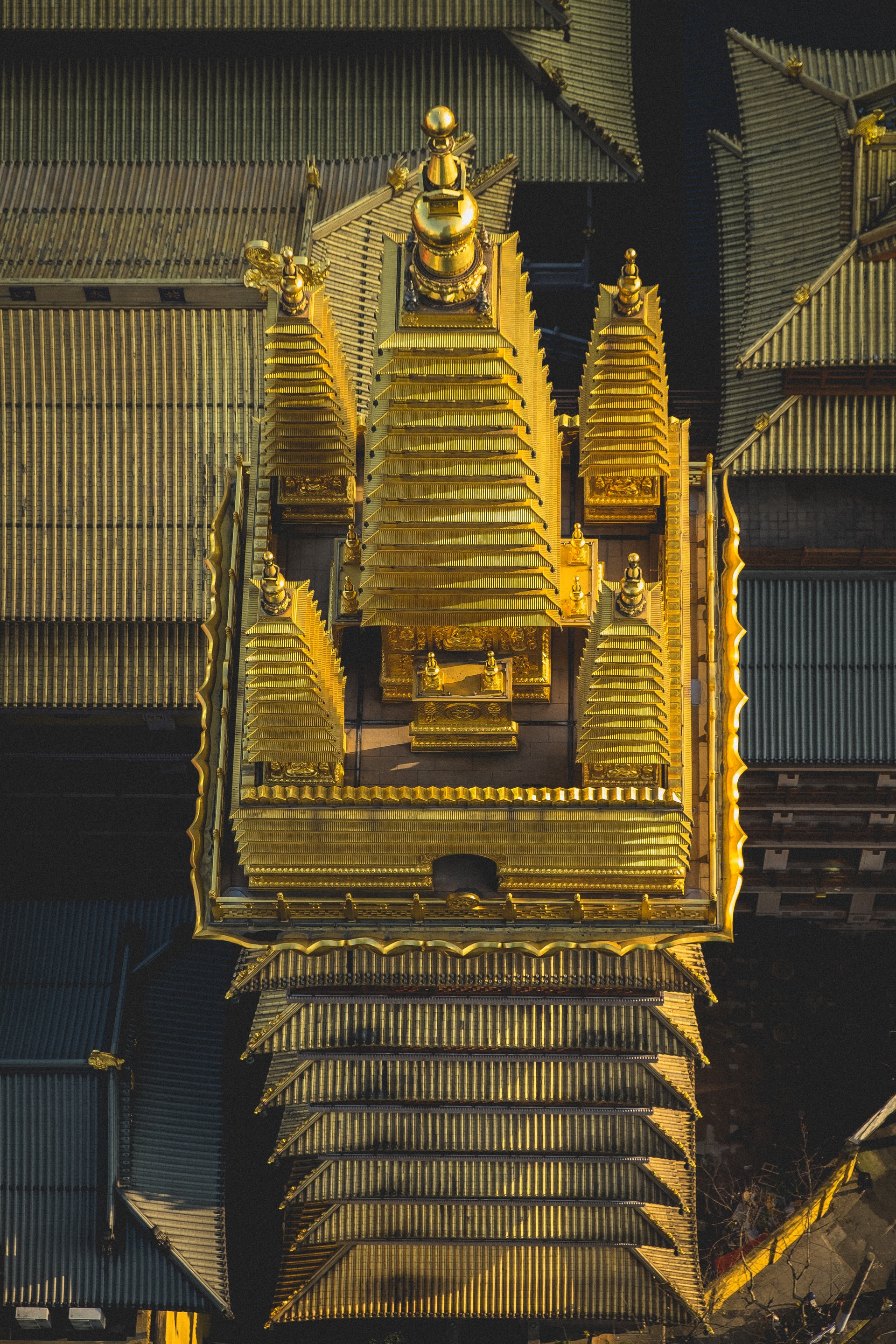
The Temple of Peace and Tranquility in Jing’an District is certainly one of the Shanghai images you should capture during your Shanghai visit. Completed in the 1st Century, this Buddhist temple was relocated to its present location during the Song Dynasty in the 13th Century. Unfortunately, the Cultural Revolution saw it destroyed but its rebuilding in recent times has resulted in its being one of the most popular tourist attractions in Shanghai City.
Yuanjin Temple
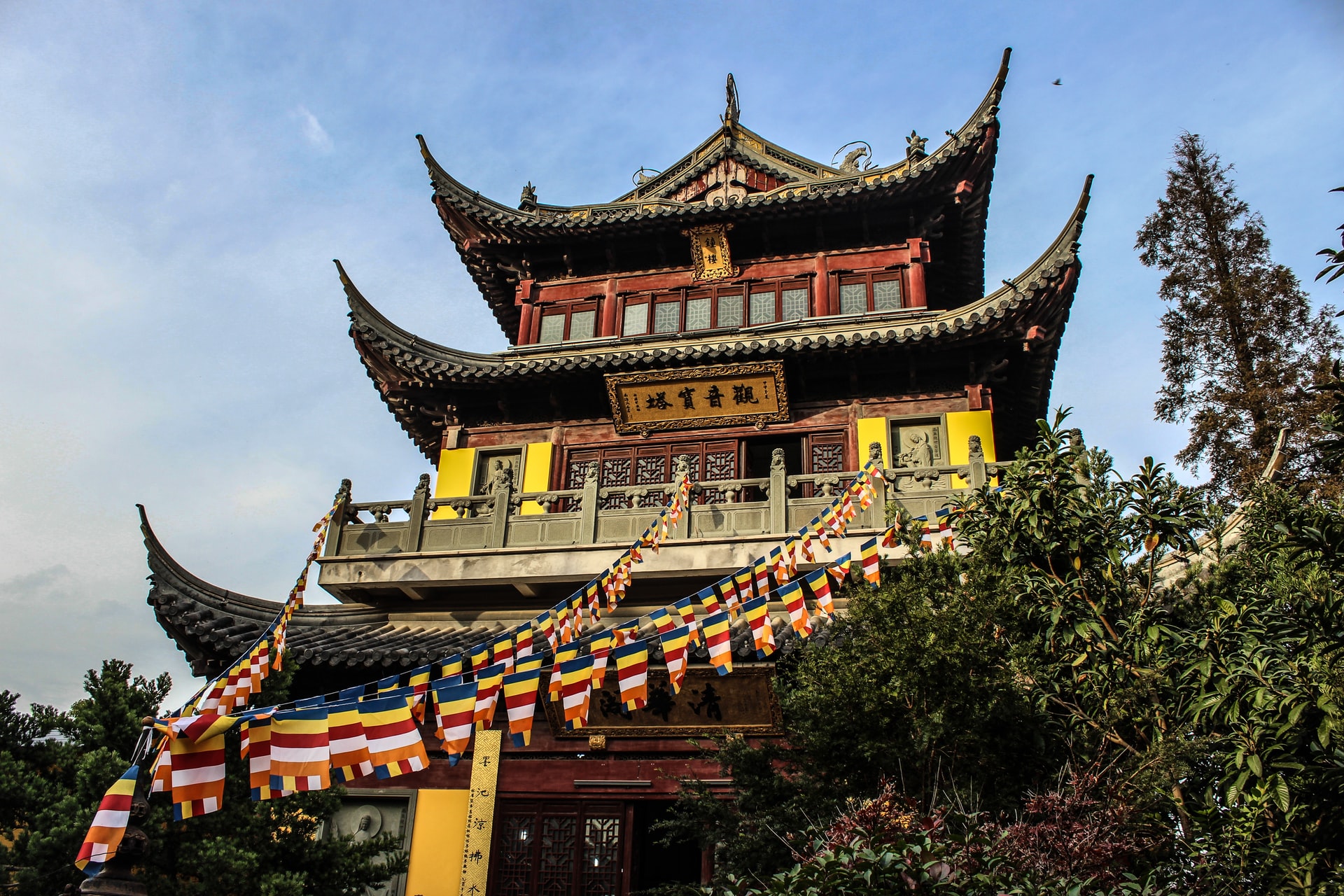
The Temple of the Goddess in Zhujiajiao is one of the most popular tourist attractions in Shanghai. Mongols, the Yuan Dynasty, built this temple in the middle of the 14th Century and rebuilt it two centuries later. The Shunzhi and Kangxi periods saw it enlarged into a large complex. A cottage, halls and the impressive Qinghua Pavilion were not part of the original structure. It was a place for the arts, poetry, painting and epigraphy and it is important to understand its cultural importance. The complex closed for renovation late in the 20th Century but reopened to the public in 1995.
Shanghai at Night
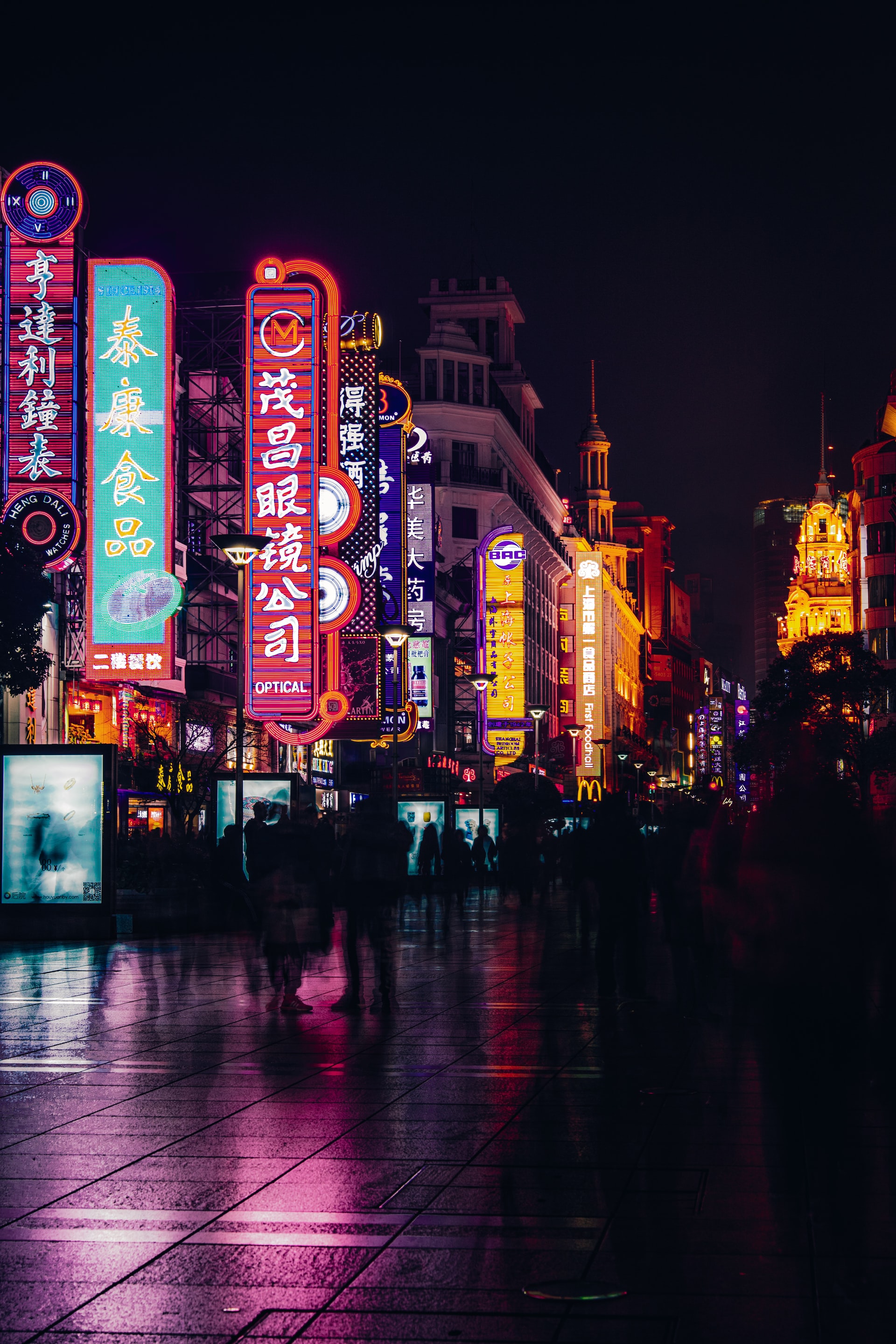
In common with every important commercial centre in the world, Shanghai offers plenty to do at night. Shanghai is like a light show as you walk around. It is a safe city with plenty of bars, clubs and restaurants. You can enjoy a walk along the Bund and take it all in. Alternatively, head to the top of the World Financial Center to get a great panoramic photo.
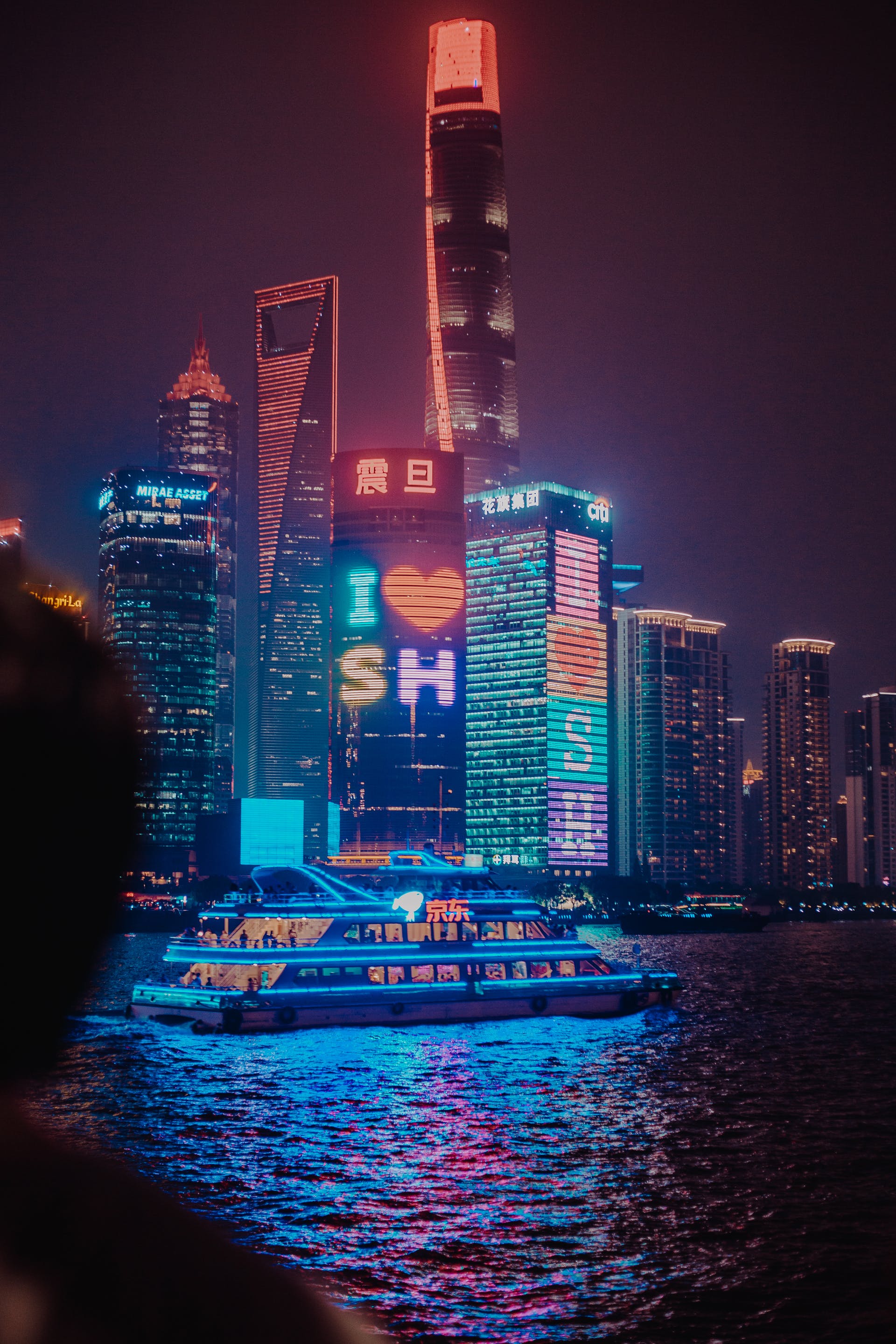
If you cruise along the Huangpu River you will get a different view of the City completely, but still lit up. The shopping in Shanghai is excellent while there are plenty of theatres to enjoy as well.
Conclusion
China no longer cuts itself off from the rest of the world. Shanghai is one of the Country’s most important commercial centres with plenty for the tourist to see and do. Old combines with new throughout this huge city and your album of photos is certain to impress family and friends when you return home from a visit.