


Warsaw City, pronounced Varsava in Polish, is the Capital of Poland. Its population is approaching 2 million with over a million more in the greater metropolitan area, the largest conurbation in the Country. Its growth dates back to towards the end of the 16th Century when the Royal Court moved here from Krakow. Warsaw suffered terribly during World War II with an estimate of 85% left in ruins when Germany surrendered. It was besieged and events like the Warsaw Ghetto Uprising in 1943 and a general uprising a year later caused huge damage.
Its reconstruction took time but today Warsaw deserves its reputation as an attractive and friendly city. It is a modern-day success story.
Warsaw Old Town
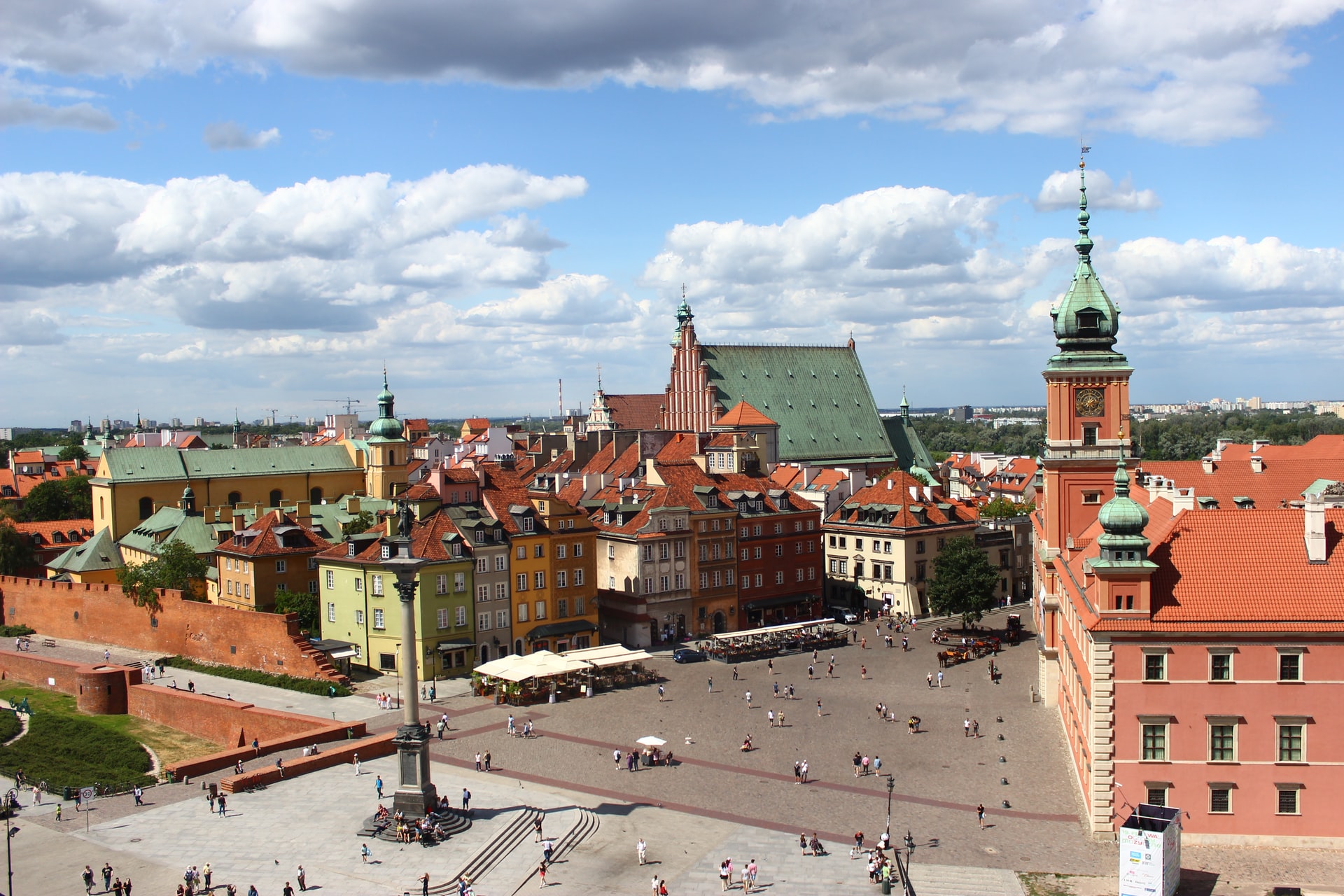
Warsaw Old Town became a UNESCO World Heritage site in 1980. UNESCO recognised the quality of the restoration after the War. Several different architectural styles are evident in the Old Town. They help make Warsaw a cultural and historic gem. The city dates back to around 1300 although a small fishing village preceded that; Warsaw sits on the Vistula River. City walls provided the defence with a castle, home to the Dukes of Mazovia, the centrepiece of the City.
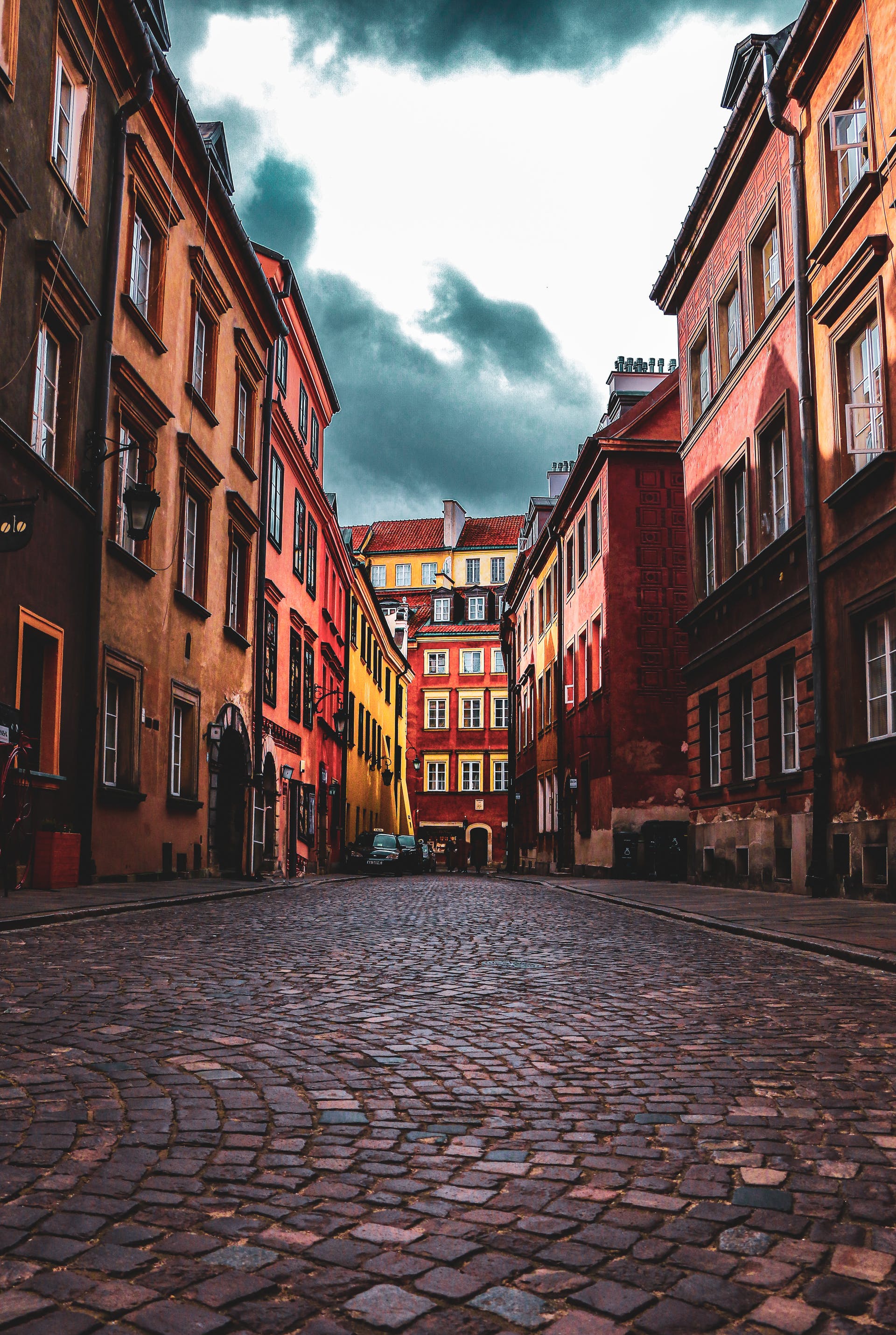
Narrow cobbled streets and colourful buildings in pastel shades are a feature of the Old Town. Be sure to take some Warsaw photos here to capture both the style and colour of this part of the City.
Warsaw’s Historic Market Place
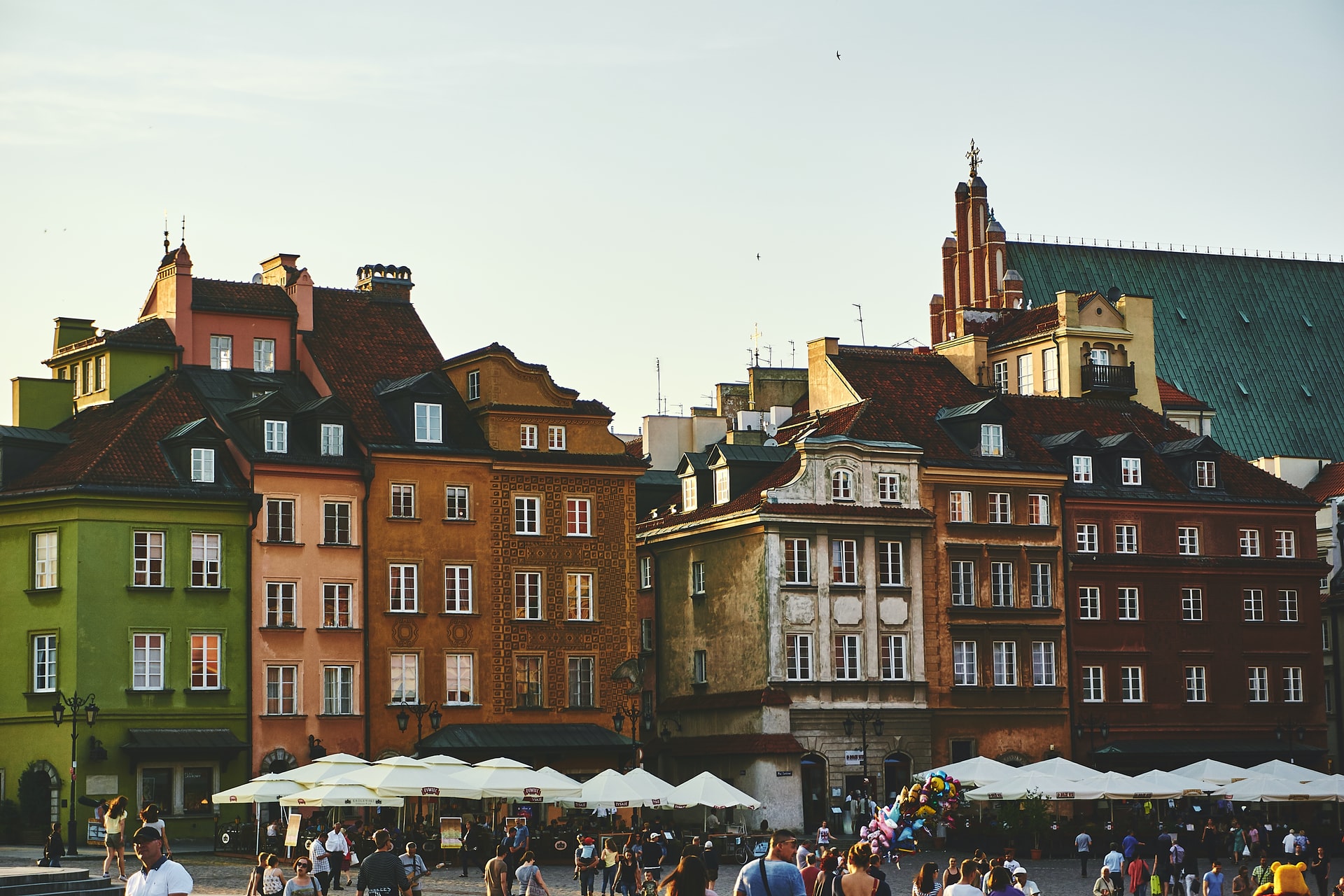
The Market Place was the centre of city activity from the very early days. The City was a trader with merchants and guilds busying themselves with commercial activities on a daily basis. The City Hall that once stood here is long gone, demolished early in the 19th Century but the Market Place’s importance never wavered.
Warsaw’s markets today are a splash of colour. Freshly picked flowers at certain times of the year are sold in the markets together with fresh fruit and vegetables.
The buildings that surround this Square were constructed in late Renaissance style after the original Gothic building perished in a huge fire in 1607.
Little Mermaid

There are several mermaid statues in the City and your Warsaw pictures would not be complete without at least one. The best known is the one in the Old Town Square although the original dating from the middle of the 19th Century is now on display in Warsaw Museum. The mermaid, freshwater, of course, known as Syrenka with sword and shield is the defender and symbol of the City. It is not surprising that this Warsaw image is seen in many places.
Royal Palace
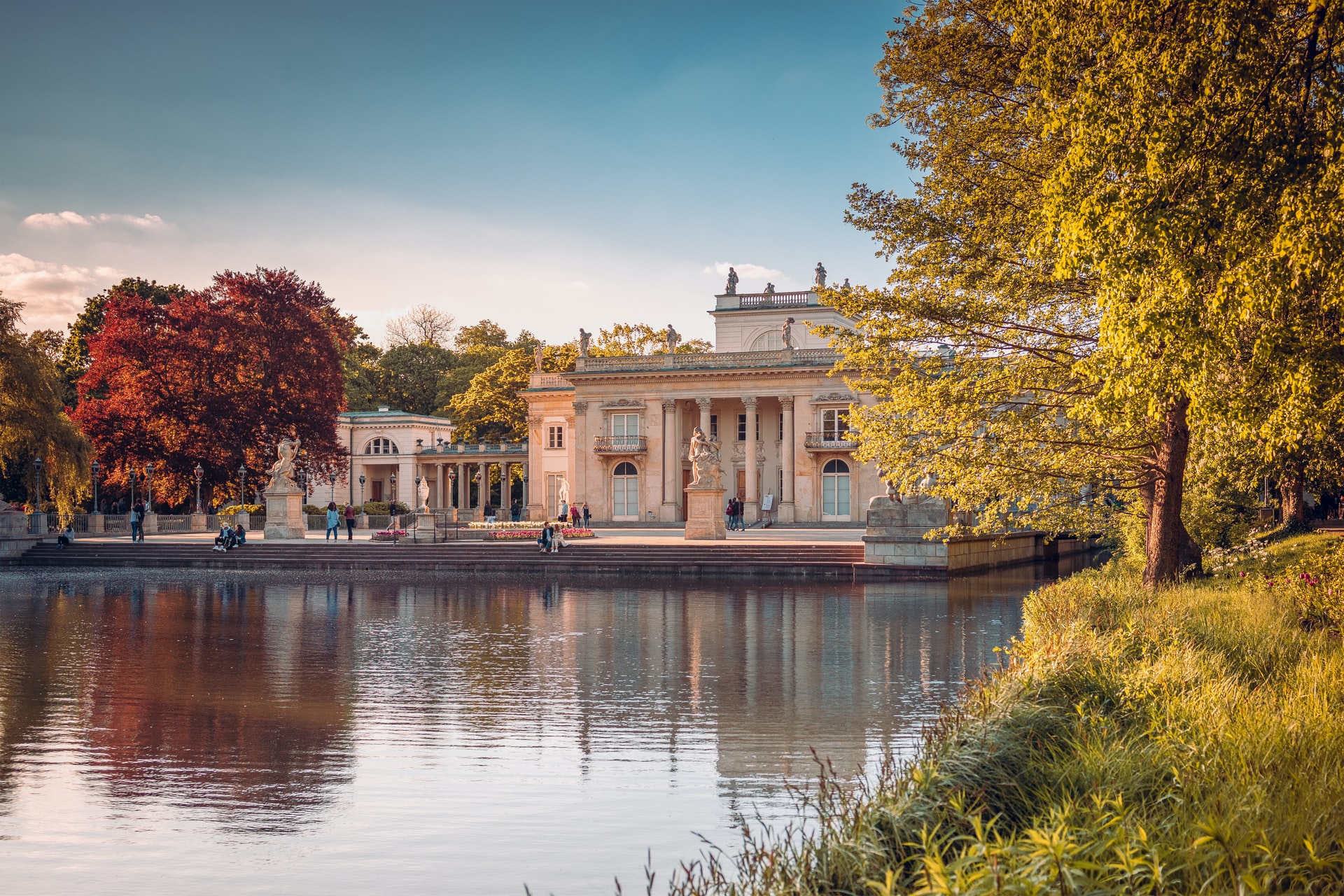
You will find the Royal Palace in Lazienki Park in the heart of Warsaw. Originally, there was an estate of woods, gardens, and an old castle before Stanislas II decided on renovations. He did not complete the work but gradually the whole complex developed. The Palace on the Isle that visitors see today dates back to the end of the 17th Century. It survived the War despite plans by the Germans to demolish it. They did however cause huge damage to the interior but annually over 2 million visitors see how the restoration has been a great success.
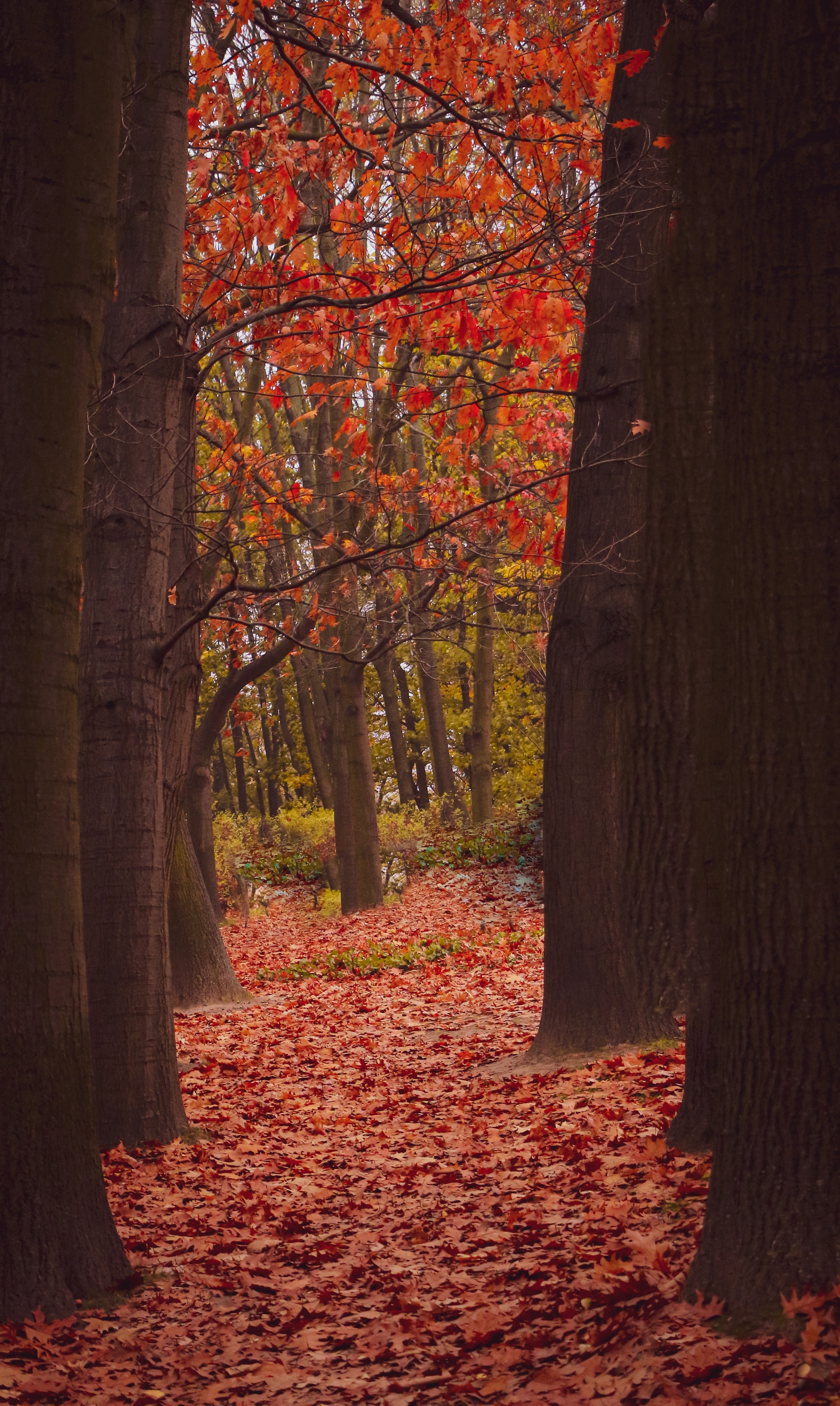
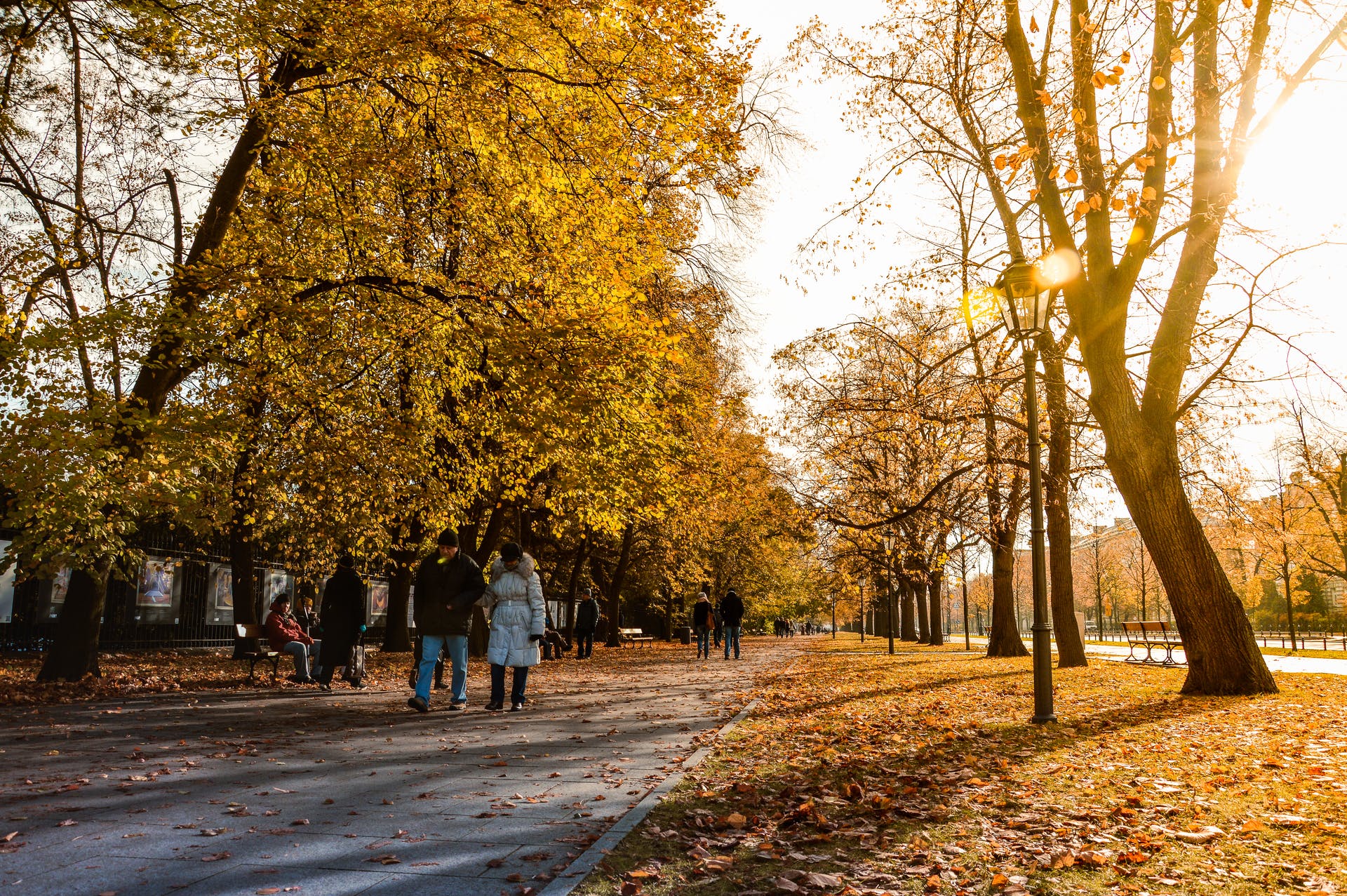
The Park itself is a lovely area and worth exploring. The trees are especially attractive in autumn as the leaves begin to change colour to yellow, orange and brown before they finally fall as winter arrives.
Palace of Culture & Science
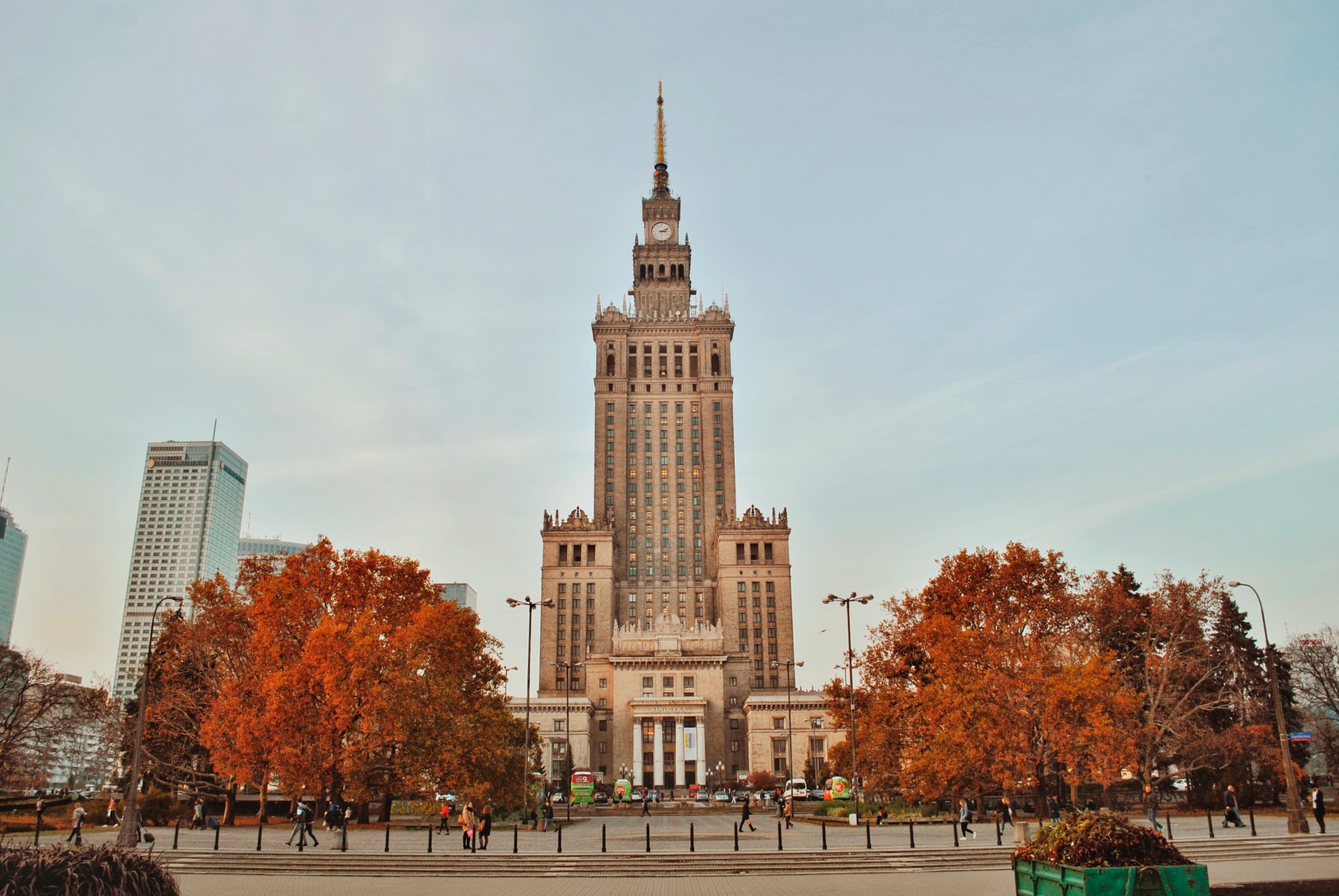
This highrise building, the highest in Warsaw, at 237 metres, doesn’t look much like a palace. Built in the mid-20th Century, it contains everything from university faculties and research centres to cinemas, theatres and sports clubs. At one time this Soviet-designed building was the tallest clock tower in the world, but no more. It was originally Joseph Stalin’s Palace of Culture and Science but at the end of his regime, all references to him were dropped.
Warsaw Spire
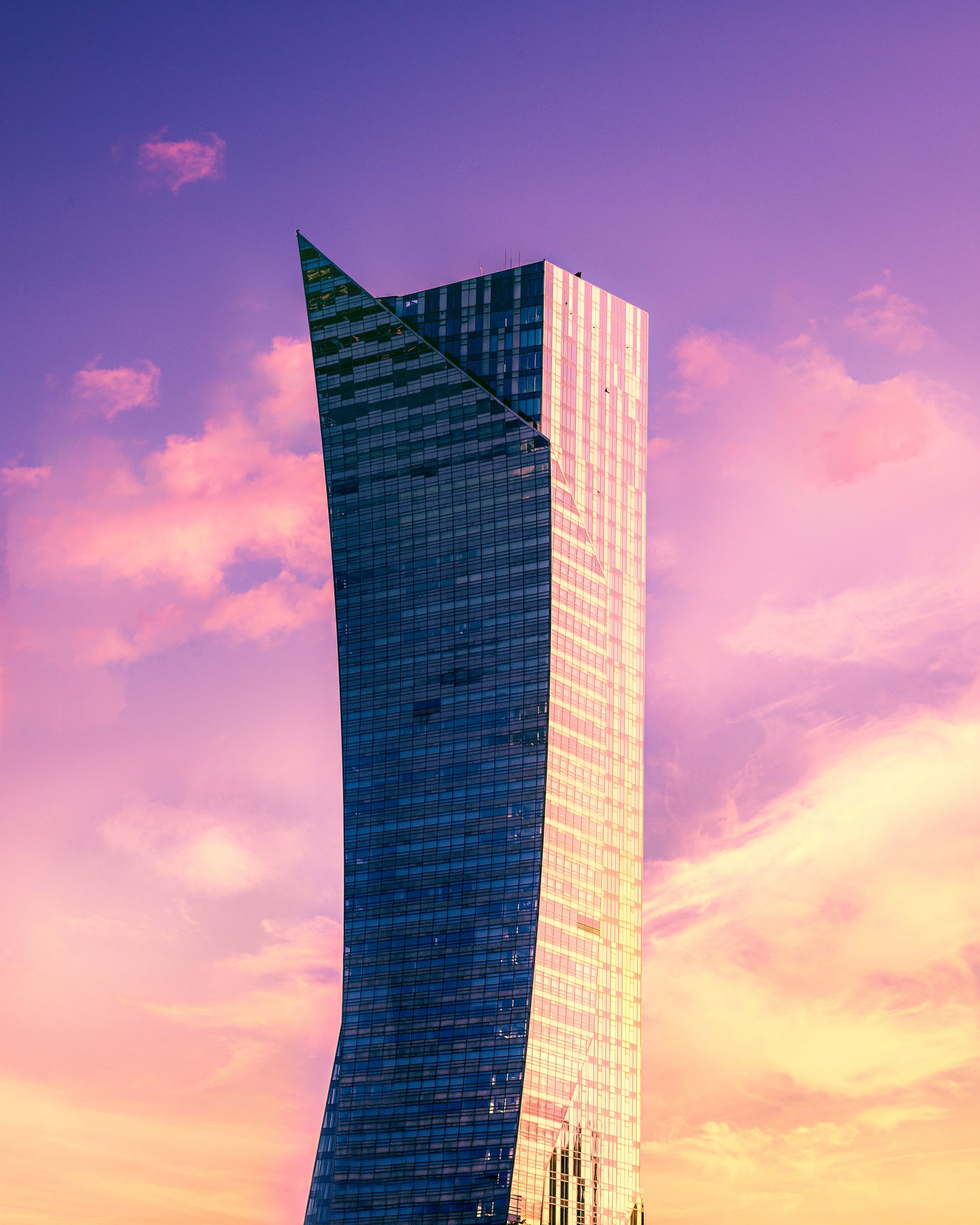
The Warsaw Spire is very recent. It is a complex of offices, 220 metres high, with an interesting glass facade. Your Warsaw pictures should include this Spire to contrast with the more traditional buildings in the City. It received a prestigious award in 2017, the MPIM Award for Best Office and Business Development in the World at the Annual Fair in Cannes, France.
Warsaw Architecture
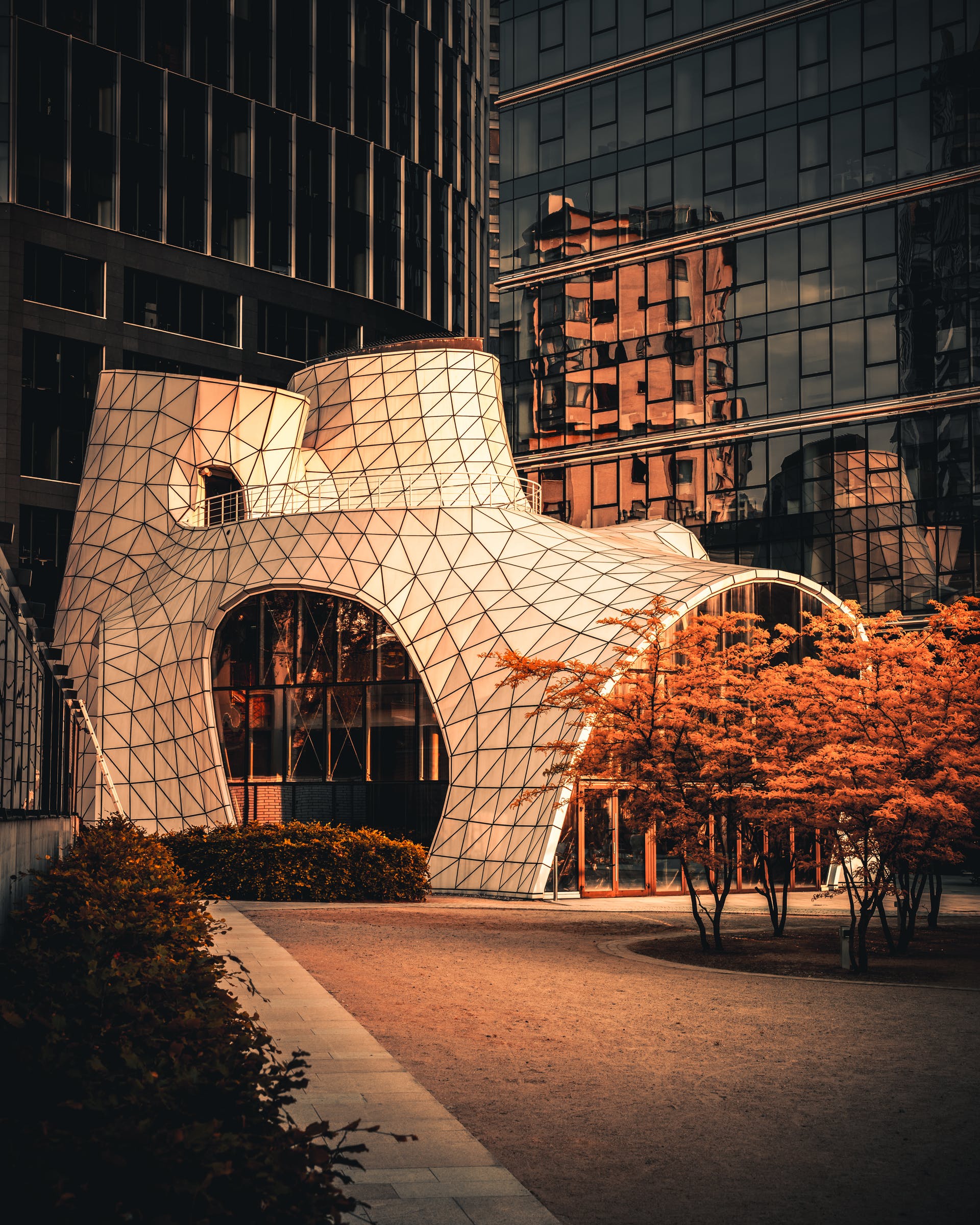
Warsaw is a mix of old and new, quirky and plain and you will realise that during your Warsaw visit. Have your camera ready and you will get some interesting Warsaw travel photos as you walk around.
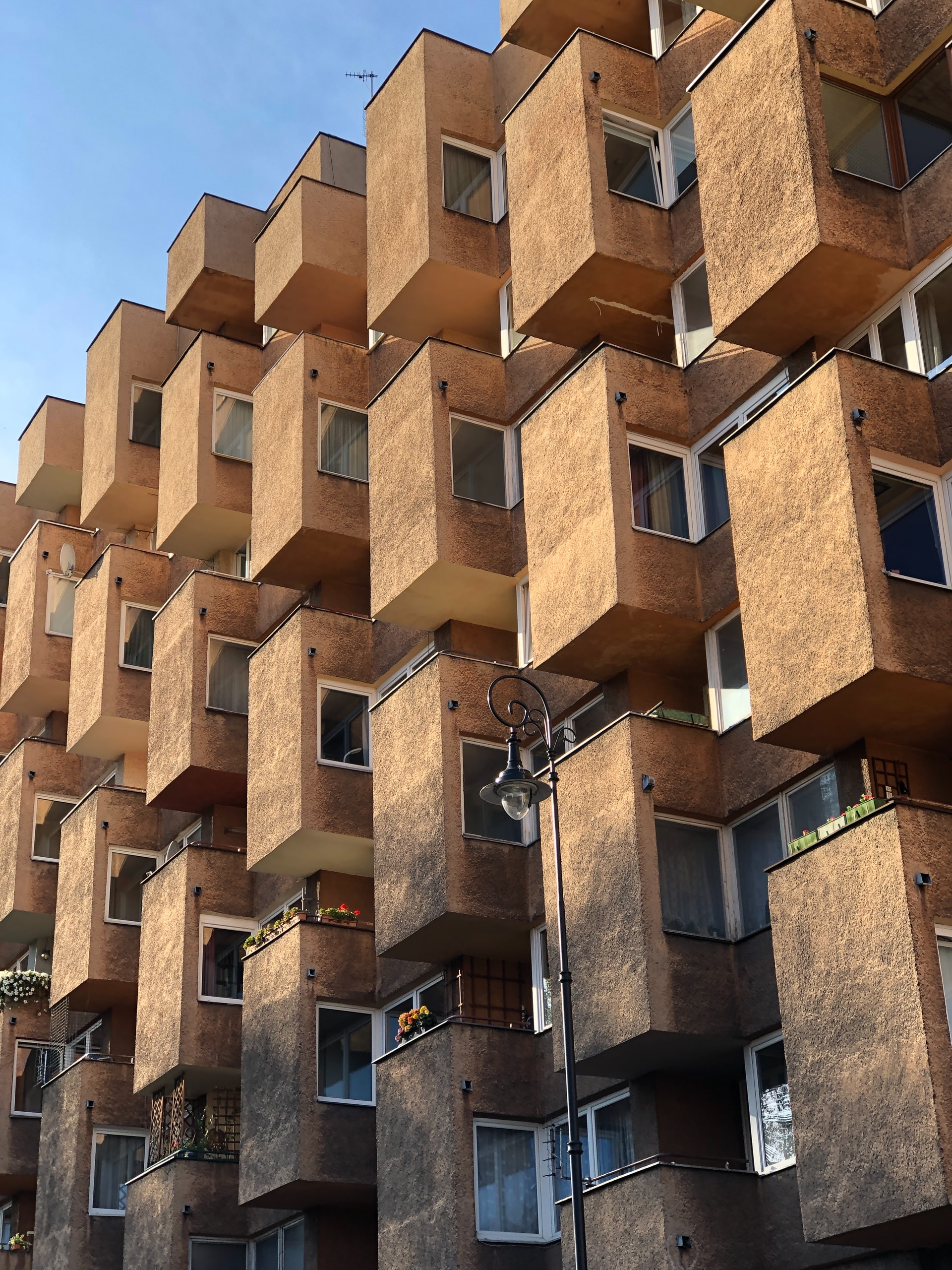
These apartments catch the eye immediately and you should include them in your Warsaw images. They contrast from some of the Soviet-style blocks built after World War II.
A Touch of Green
The Warsaw Zoo is worth a visit. It sits on the banks of the Vistula River in the middle of Warsaw. In total, it covers 99 acres and with over a million visitors annually, it is amongst the busiest in Europe.
The Zoo is not the only open space in the heart of Warsaw and you will find tree-lined avenues as you explore the City. Around a quarter of the City of Warsaw is open space; gardens, parks and fields.
Getting Around
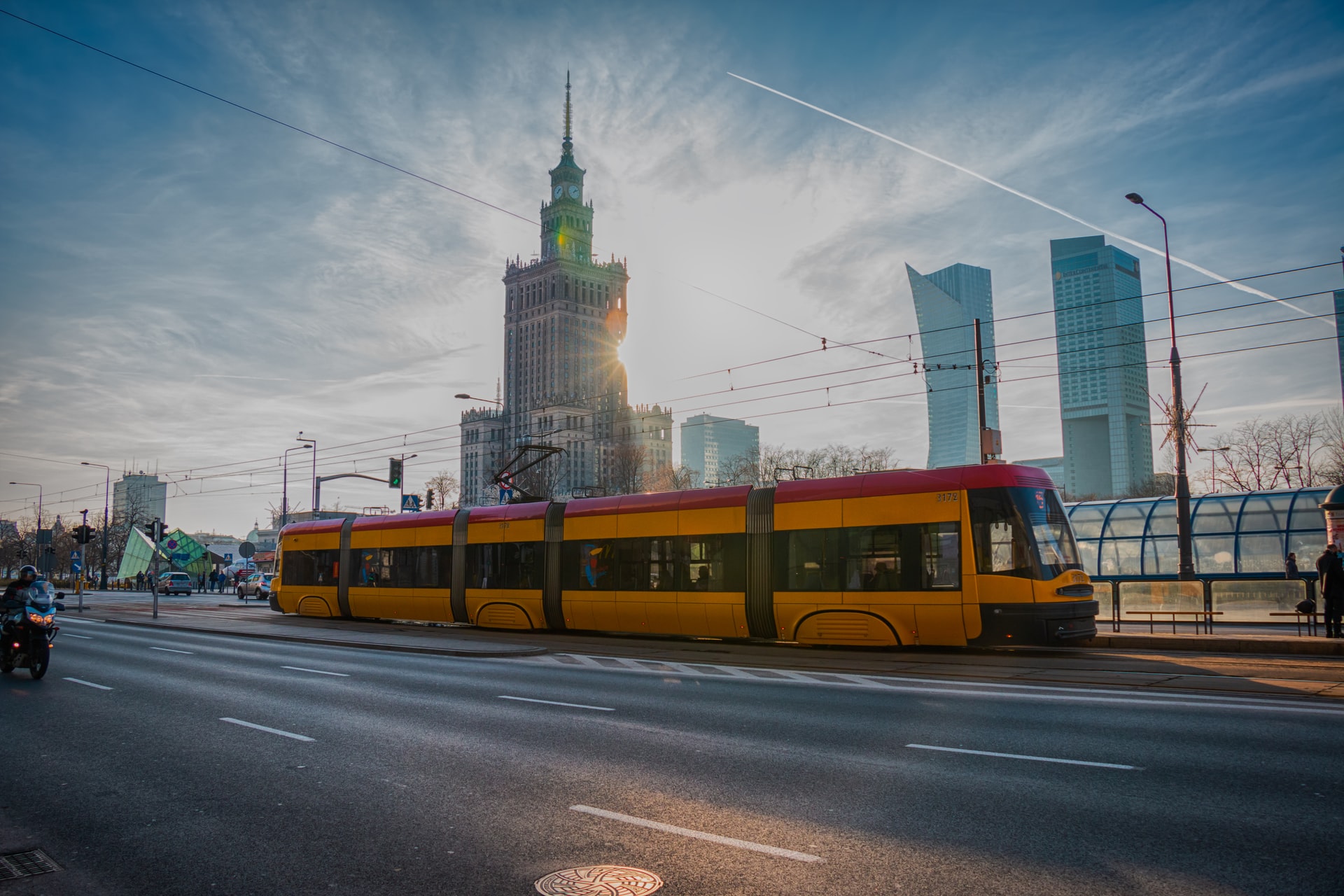
You can walk around the Old Town but you are likely to enjoy the local means of transport. It includes ferries on the Vistula River, trams, horse-drawn vehicles and even rickshaws.
Conclusion
There are many sad stories associated with Warsaw’s history, the majority from the Second World War. However, the job of restoring the Polish capital has been successful. In addition, its inhabitants are warm and friendly. Winters can be harsh with short hours of daylight and cold temperatures but once spring arrives, Warsaw begins to attract visitors once again.
You should join them because you are certain to enjoy seeing Warsaw and experiencing what it has to offer.