


Havana is the capital of the Caribbean island of Cuba. While many of the Islands in the Caribbean became tourist paradises, Cuba went the other way. It was hugely popular especially with Americans in the 1950s.
Remember these were the days before volume air travel so the West Indies was yet to get mass tourism. Havana Cuba beaches are lovely as are beaches throughout the Caribbean. Cuba was unable to take advantage of that over the years as tourism grew.
Castro & Isolation
Fidel Castro’s ultimately successful struggle to overcome the Batista Government which he regarded as corrupt changed its history forever. He introduced a communist society to Cuba sixty years ago. It resulted in Cuba’s isolation and relative poverty. Little is different today with many of its buildings showing their age.
Che Guevara
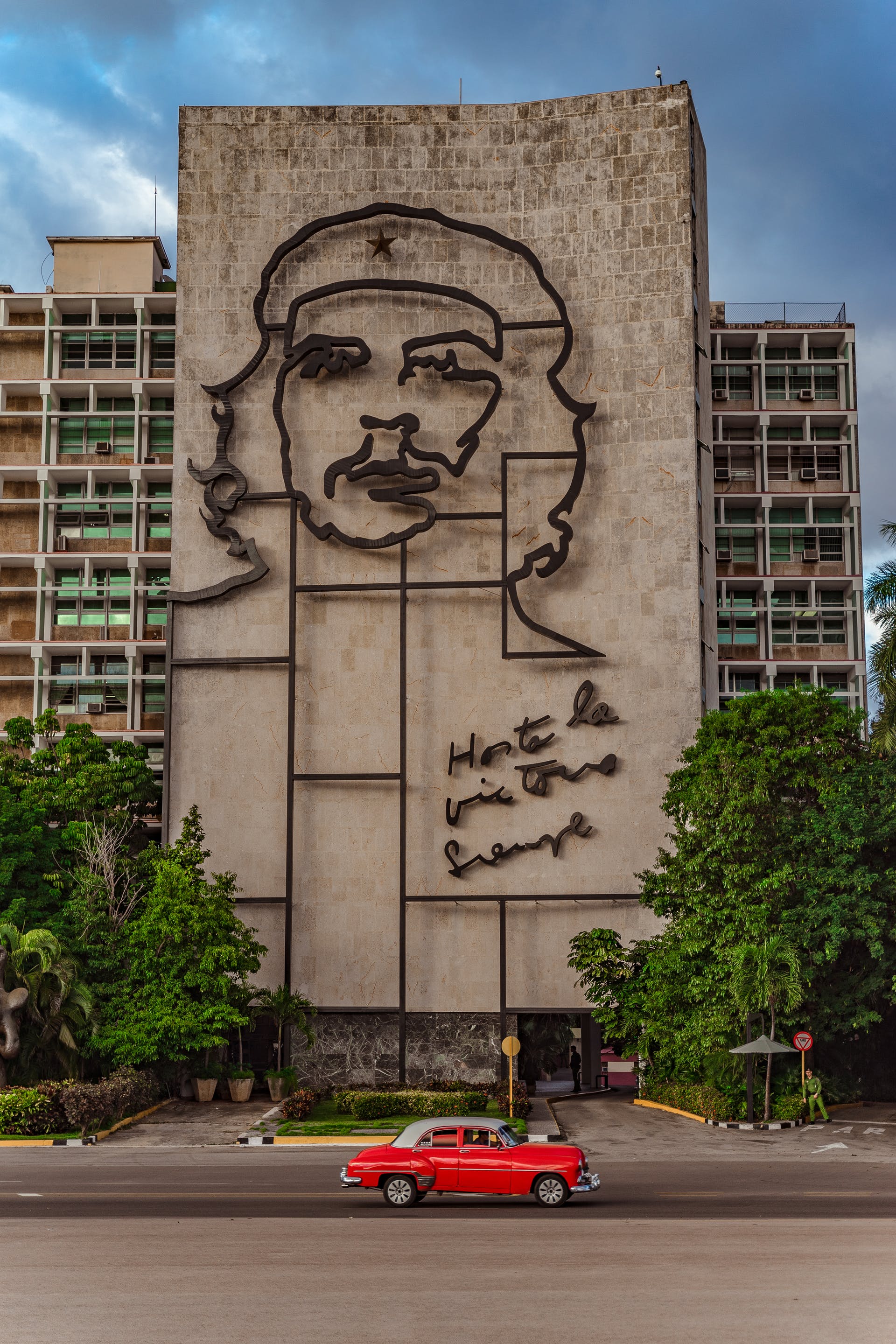
Che Guevara was actually Argentinian but his contribution to the Cuban revolution led him to ‘’cult status.’’ You will see images of Che during your visit to Havana even though he died more than half a century ago. He qualified as a doctor. Che then played a central role in Castro’s success against Batista’s Government early in 1959. His Marxist ideology drove him to transform Cuban society over the next few years together with Castro.
He died on another revolutionary escapade in the Bolivian jungle. His body returned to Cuba and his mausoleum stands in Santa Clara.
National Capitol Building
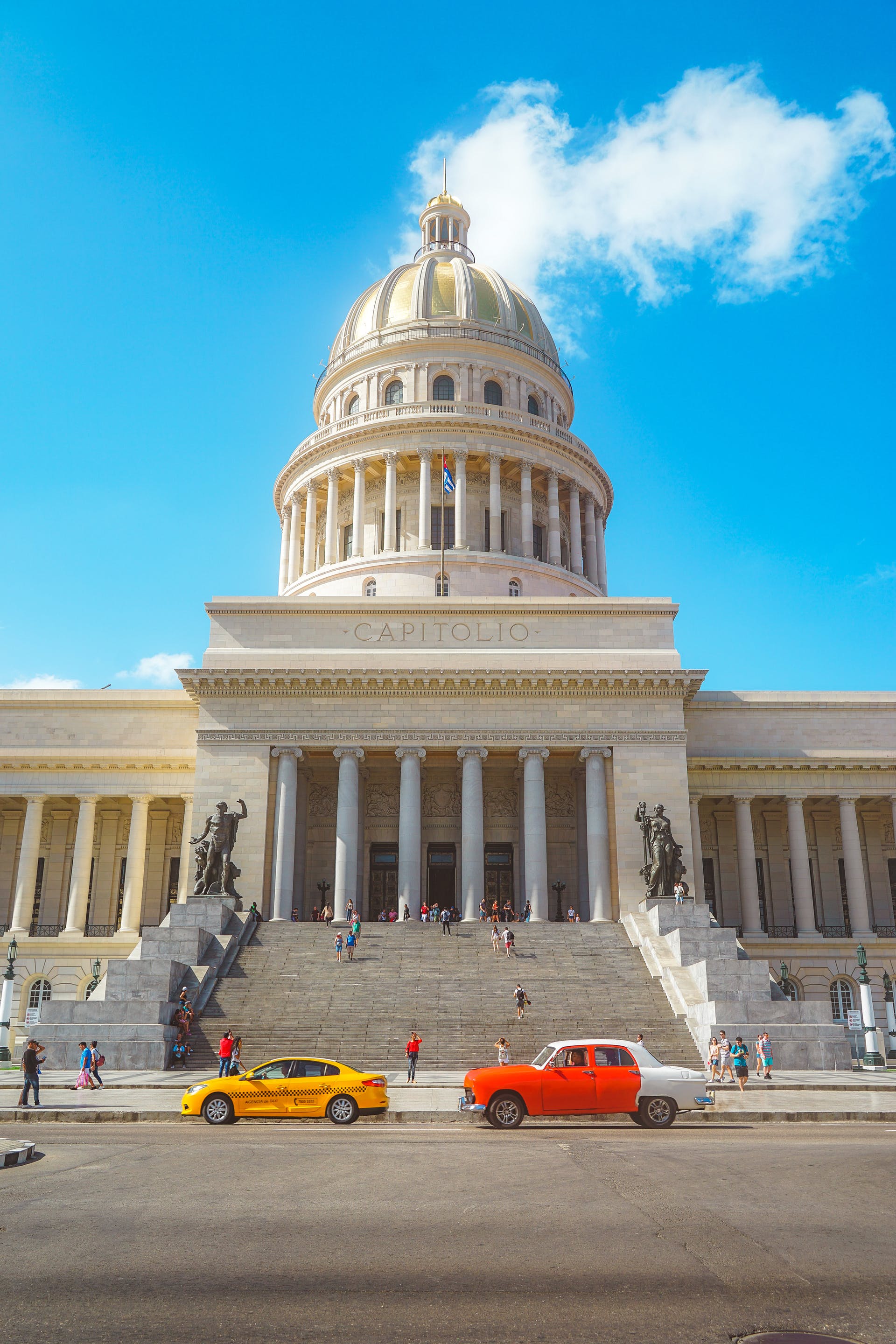
This building in the heart of Havana deteriorated after Castro’s revolution. It was the Congress Building prior to the revolution but Castro had no use for it. Several world buildings inspired its design but it is not an exact replica of any of them. Your Havana pictures should certainly include this building.
In recent years, Cuba has been attempting to be more open to the rest of the world. As a result, renovations are restoring it to its former glory. Even as it is, the National Capitol Building attracts a significant number of tourists each year.
Cigars
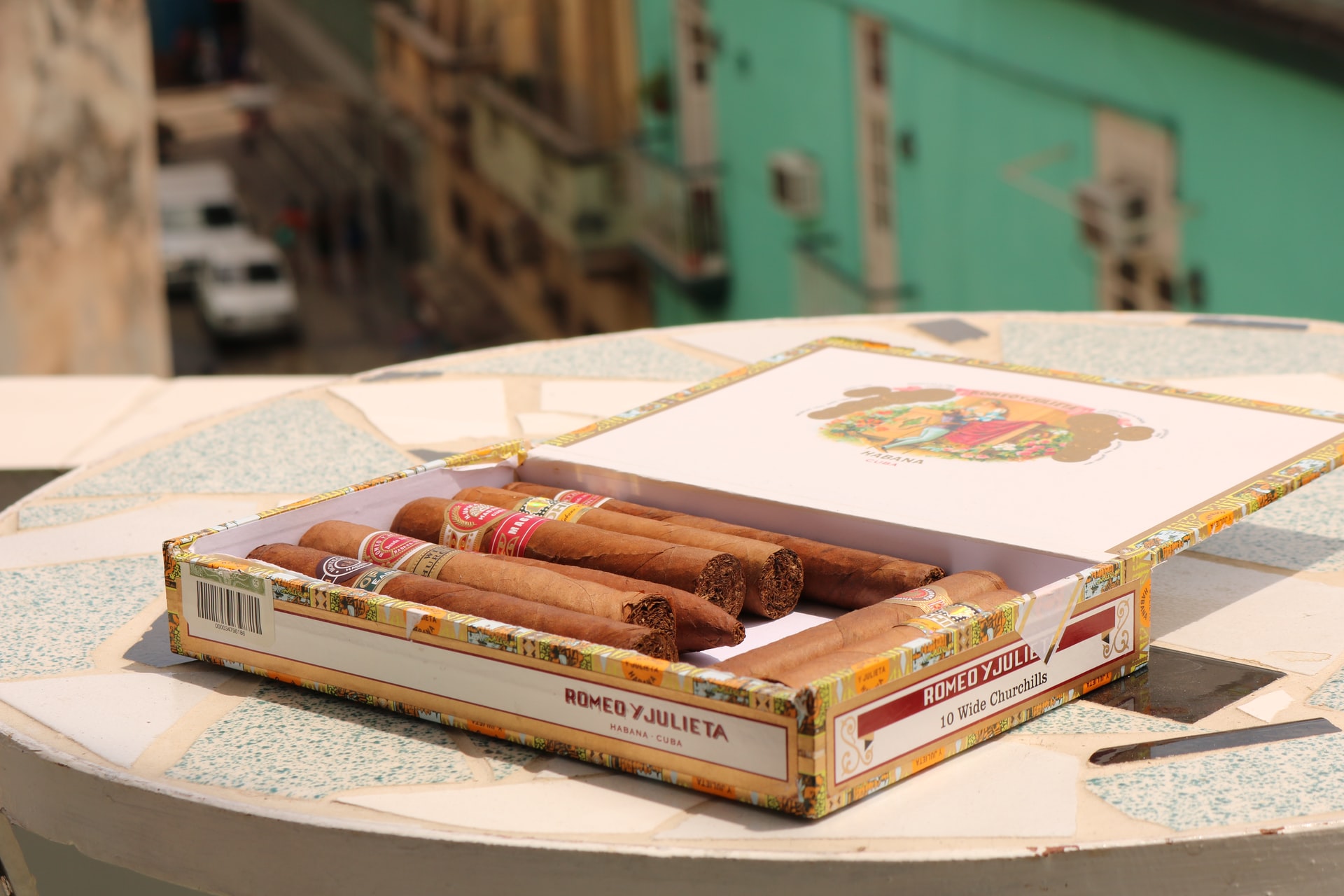
Production of Havana coffee began in the mid-19th Century. It was the initiative of French farmers fleeing from Haiti. While coffee still plays a small role in Havana’s trade, Cuba’s climate makes it an ideal place for growing cigar tobacco. Cuba’s relative isolation under the Castro regime did not help the industry.
However, Cuba’s handmade cigars remain a much-prized product. Much of Cuba’s tobacco grows in small plots of under 10 acres. It may not be the most efficient way to produce tobacco. However, head to the west of the Island and you will find some of the best cigar tobacco in the world.
Vintage Cars
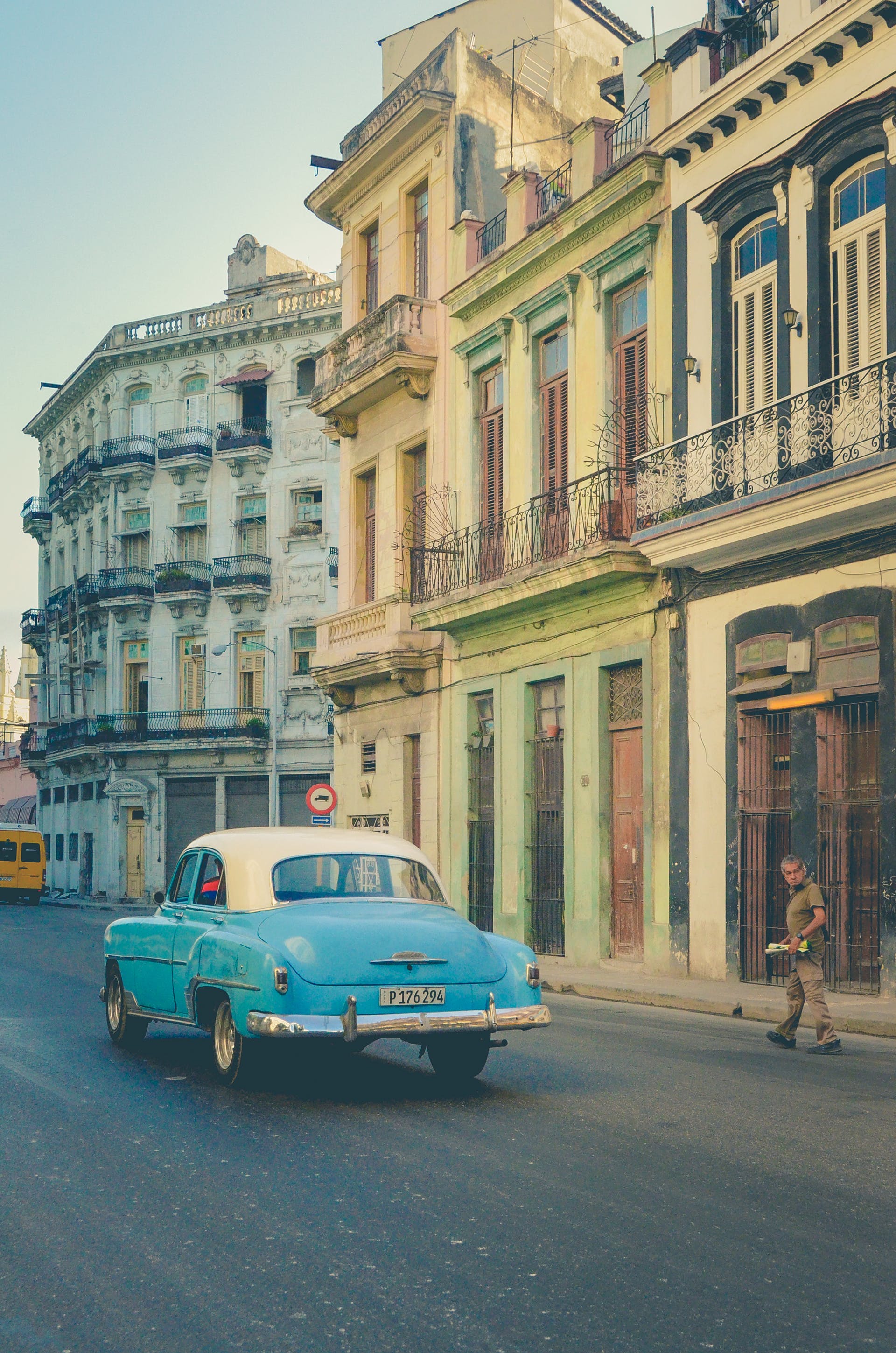
You cannot help but notice all the vintage cars on Havana’s streets. Few new cars arrive in Cuba. Existing models are regularly repaired usually with spare parts from Russia or China. Estimates suggest that there are 60,000 classic cars originating in the USA.
Some of them are pre War and more again come from the 40s. In all, over half the cars on Havana’s roads predate Castro’s Revolution. They pass from generation to generation, family heirlooms. Their owners do all they can to keep them going.
It is prohibitive to import a modern car to Cuba. You could expect to pay anything up to 10 times what you would pay in the USA. There are additional costs to get it on the road. Given the low wages in Cuba, Cuba is not a market that manufacturers are targeting.
El Malecon
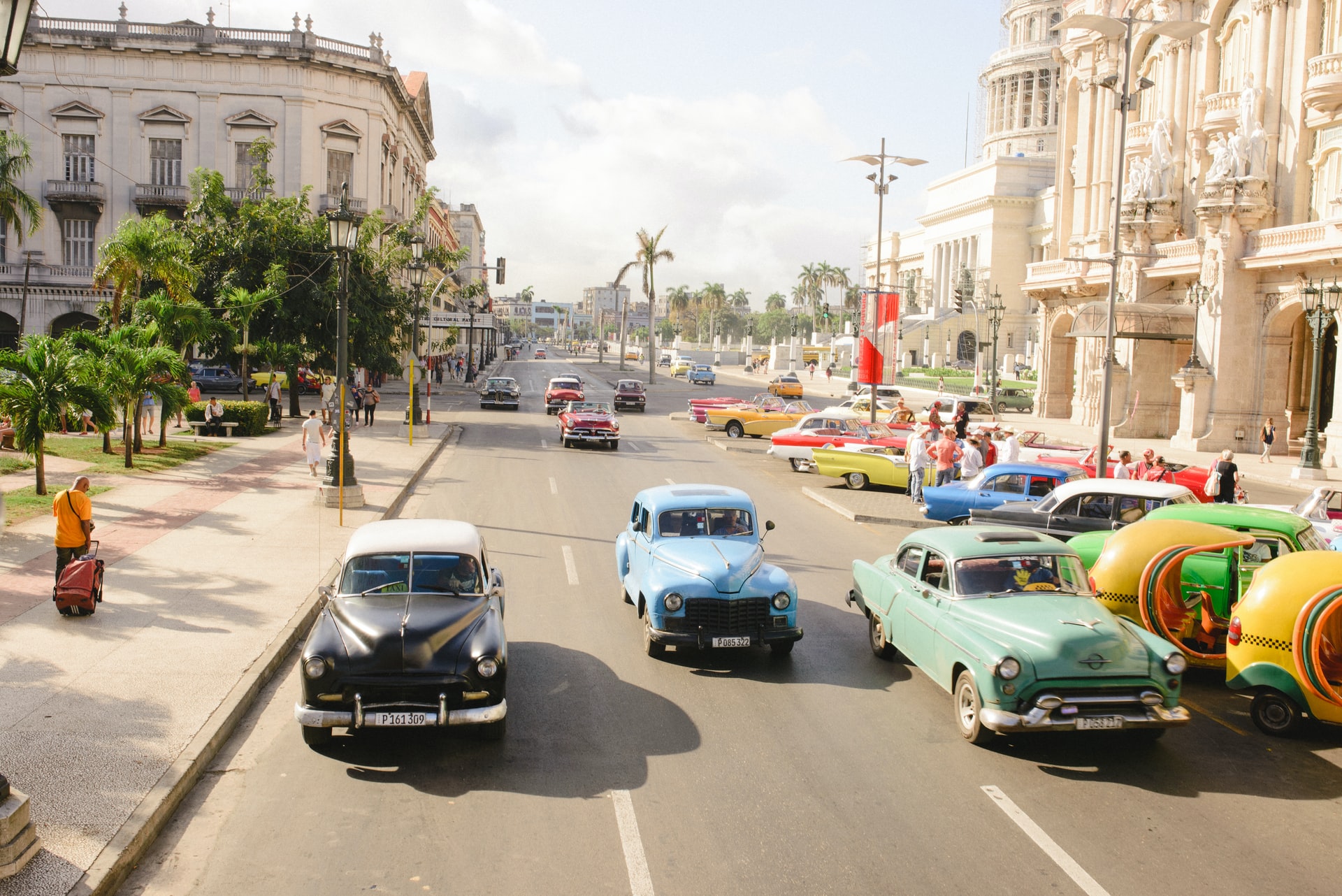
The main avenue in Havana is El Malecon, a Spanish name but very much a French concept. It stretches all the way from Havana Harbour through into the central neighbourhood. It continues past the district of Vedado to the mouth of the Almendares River.
When it opened in 1901, it helped protect Havana from rough seas. While the Batista Government was still in charge, El Malecon was the venue for the Cuban Grand Prix.
Havana tours Malecon take this avenue because it passes a number of points of interest in the City. They include several statues such as the Monument to the Victims of the USS Maine. It exploded in Havana harbour in 1898 with the final fatality list reaching 266. Use your camera for Havana photos of this route.
Architecture
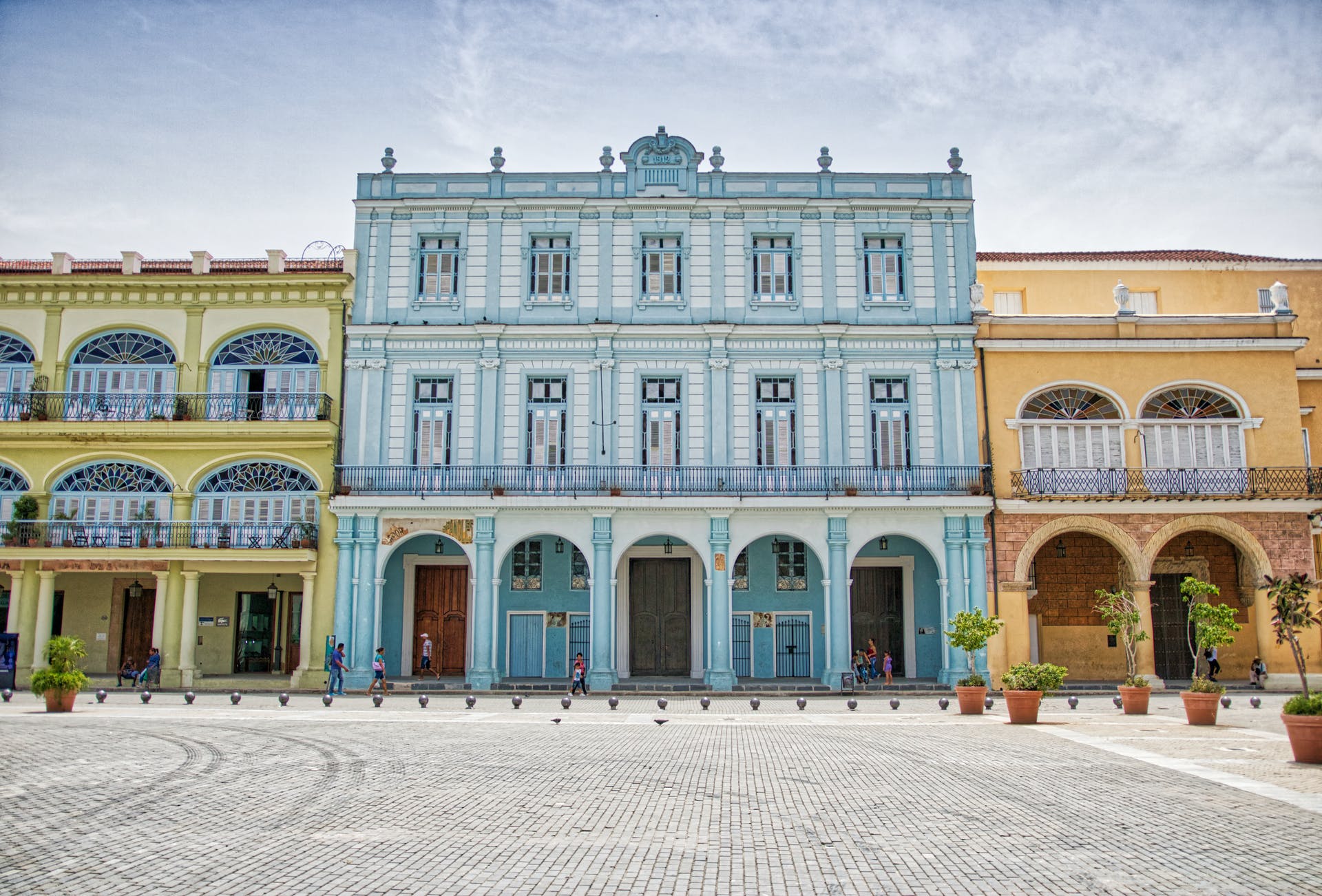
In many ways, Havana images show the City as run down. Its colourful architecture has seen better days. Cuba adapted typical Baroque designs. It is important to remember that the Spanish arrived early in the 16th Centuries. They stayed for four centuries and therefore left their mark.
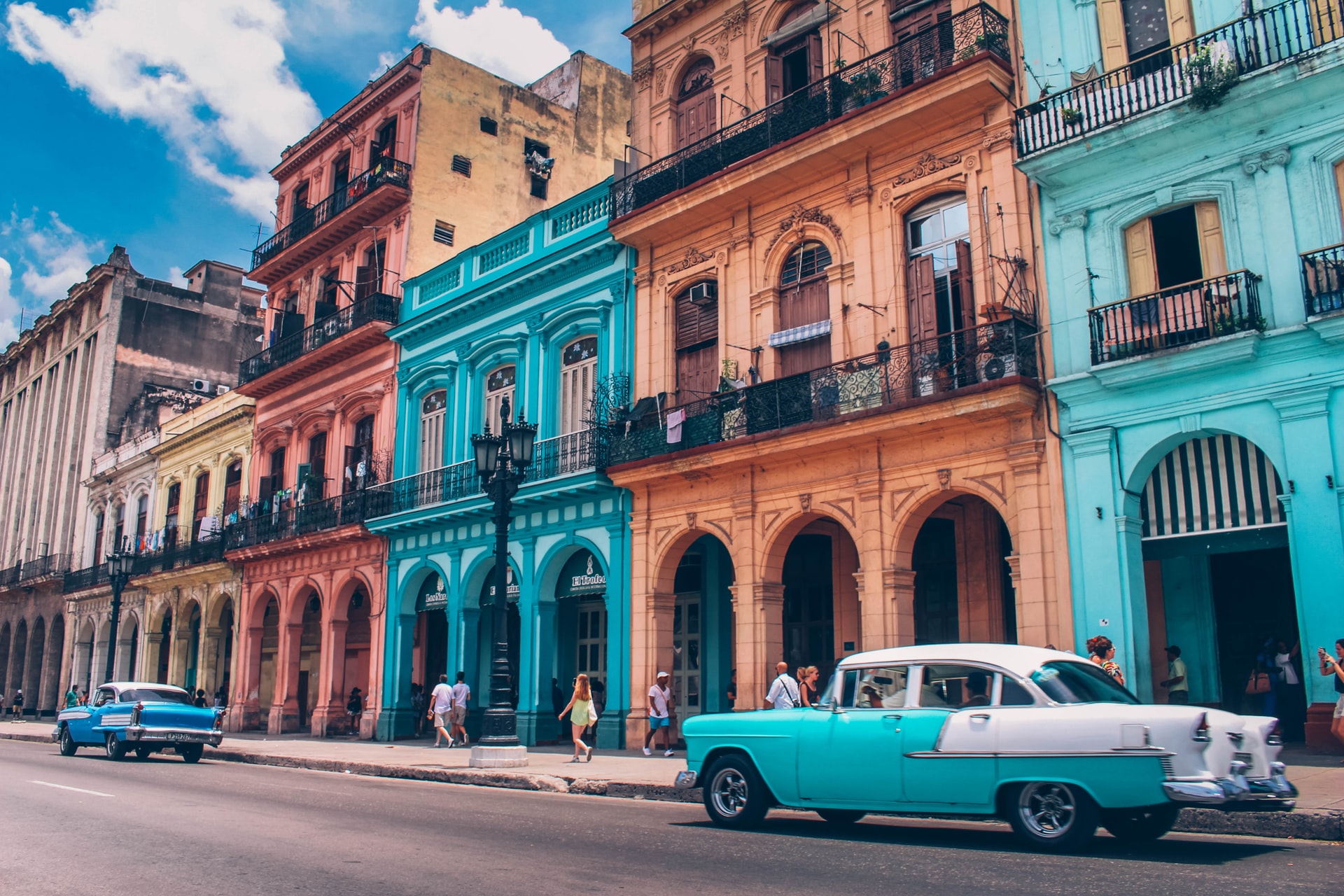
UNESCO’s recognition of Old Havana City as an important location has meant that colonial buildings have been largely preserved. They have not necessarily kept in a good state of repair. The Baroque style arrived in Havana in the 17th Century, years after its introduction in Italy. The Spanish made their own adaptations.
French settlers in the 19th Century, coming from Haiti, introduced neoclassic ideas. The revenue earned from sugar resulted in further architectural moves in the 20th Century. The art decor period is well represented in Havana; a city with quite a mix.
Dancing in the Streets
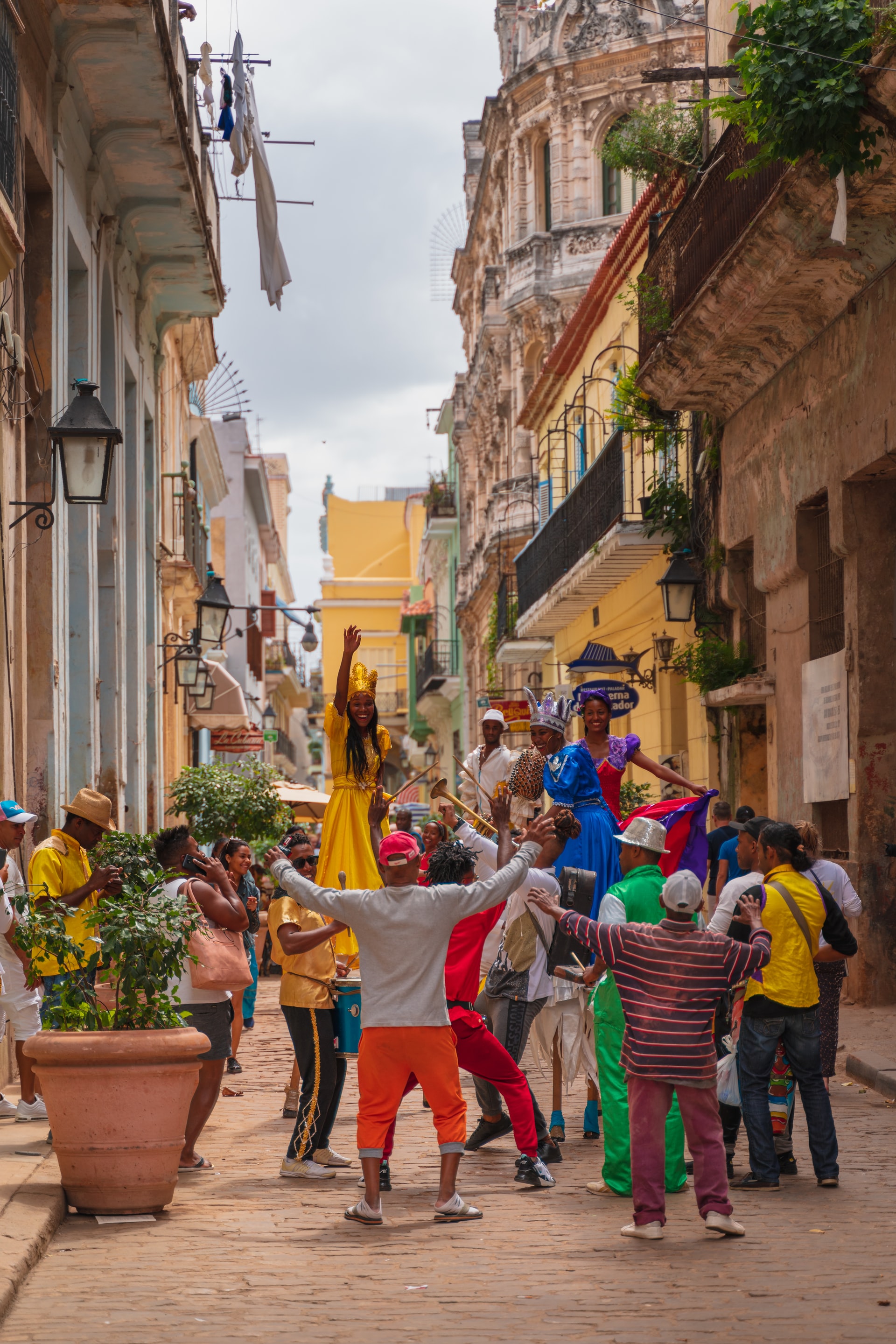
Music is central to Cuban culture. Everyone in Havana and elsewhere in the Country enjoys a party, carnival or festival. Dance is a fusion of Spanish, African and native Cuban. No one needs an excuse to dance or listen to music; simple pleasures.
Carnival is an important time in Cuba as it is throughout Latin America. However, the carnival at Santiago towards the end of July is even more important. It is a tradition dating back hundreds of years and lasts for a whole week.
Conclusion
In recent years, Havana has been attracting increased tourist numbers. There are still some issues with the USA but common opinion is that those issues will gradually disappear.
The revenue tourism can bring is certain to improve the national economy. Travellers are now choosing Cuba over the West Indian islands. The latter has always been popular with package holidays and cruises. Havana travel is a rewarding experience and you will find an interesting island worth exploring.