


It is difficult to imagine that in the 12th Century Amsterdam was a small fishing village. As the Dutch embarked on trade and colonisation, Amsterdam emerged as one of the most important ports in the world. The Dutch Golden Age was the 17th Century. Amsterdam’s expansion has been relentless since the 19th Century. It remains a cultural treasure and a financial powerhouse.
UNESCO has recognised its importance, especially in relation to its canal network. When you think of Amsterdam City, it is probably its canals that you think of first. After that, it is likely to be its tulips and bikes. Pictures of the Netherlands often include windmills but you don’t find them in large cities.
What Is Amsterdam Famous For?
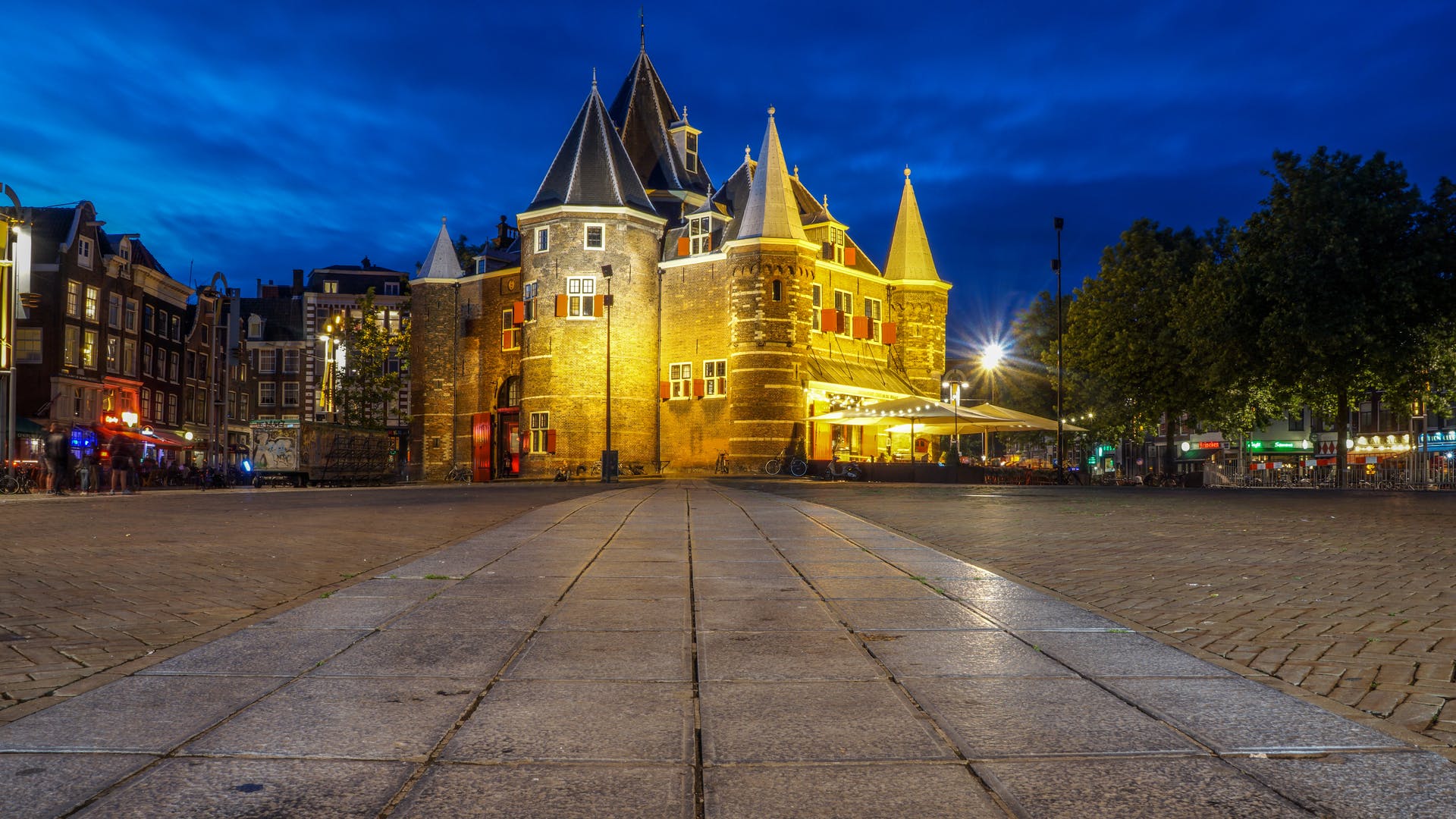
When you see Amsterdam images, they often include water. The Canal network is famous and it is impossible not to see long stretches of man-made waterways at every turn. The water is cleaner than it has ever been in the canals’ history. It is policy to draw water from the Ijsselmeer several times a month. The current created forces the dirty water out. In addition, dedicated cleaning boats remove any obvious dirt. Local houseboats have even been connected to the sewerage system.
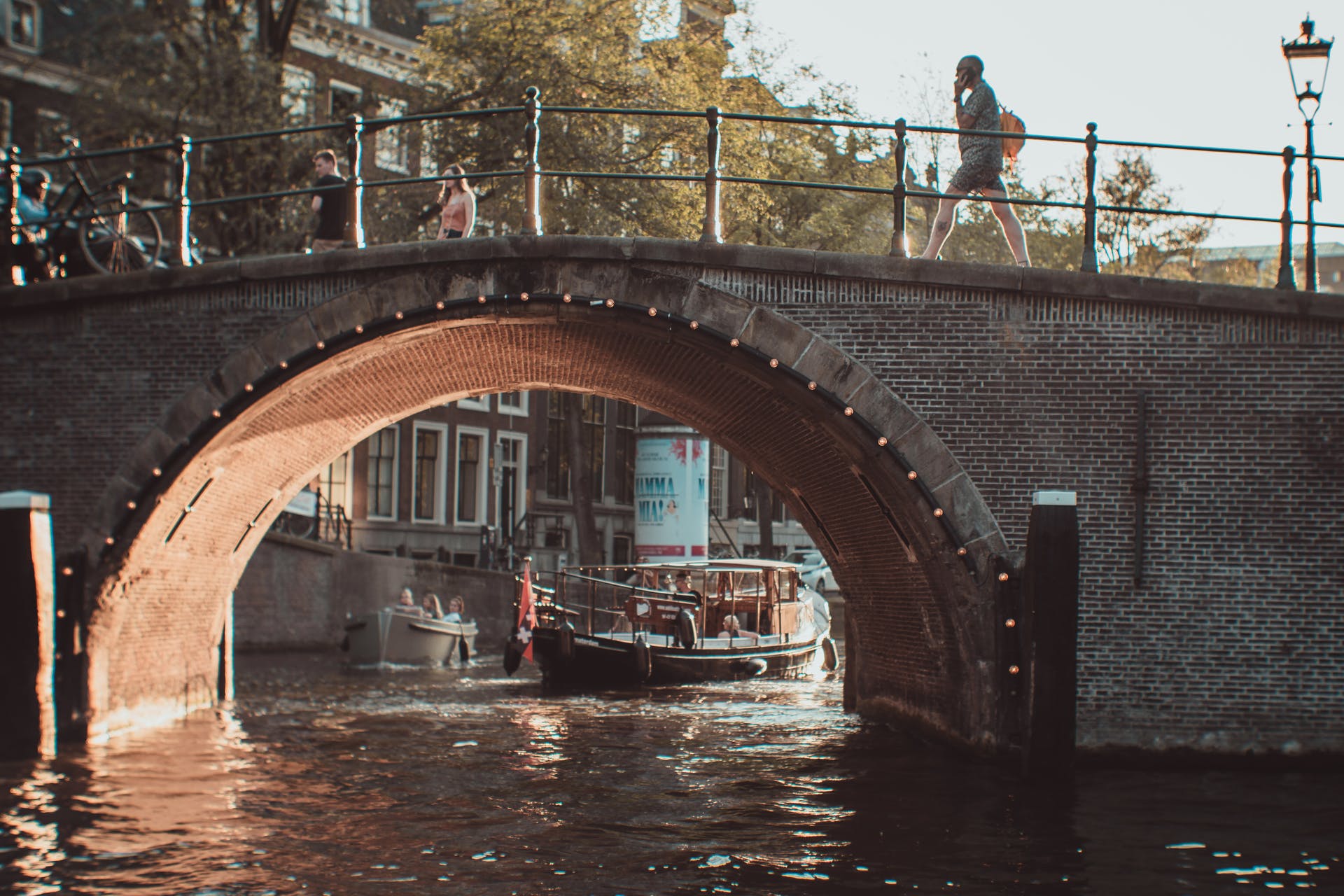 Several famous bridges also find themselves as promotional material for this fine city. Your Amsterdam photos are certain to include bridges and canals as well as the attractive architecture from the 17th Century.
Amsterdam nightlife also attracts tourists even if it is just for a weekend. The Red Light District attracts visitors who just want to walk its streets, The Sexmuseum Amsterdam also gets significant numbers each year. It opened in 1985 with exhibits that take people through the evolution of man and his sexuality from the earliest times.
Cruising
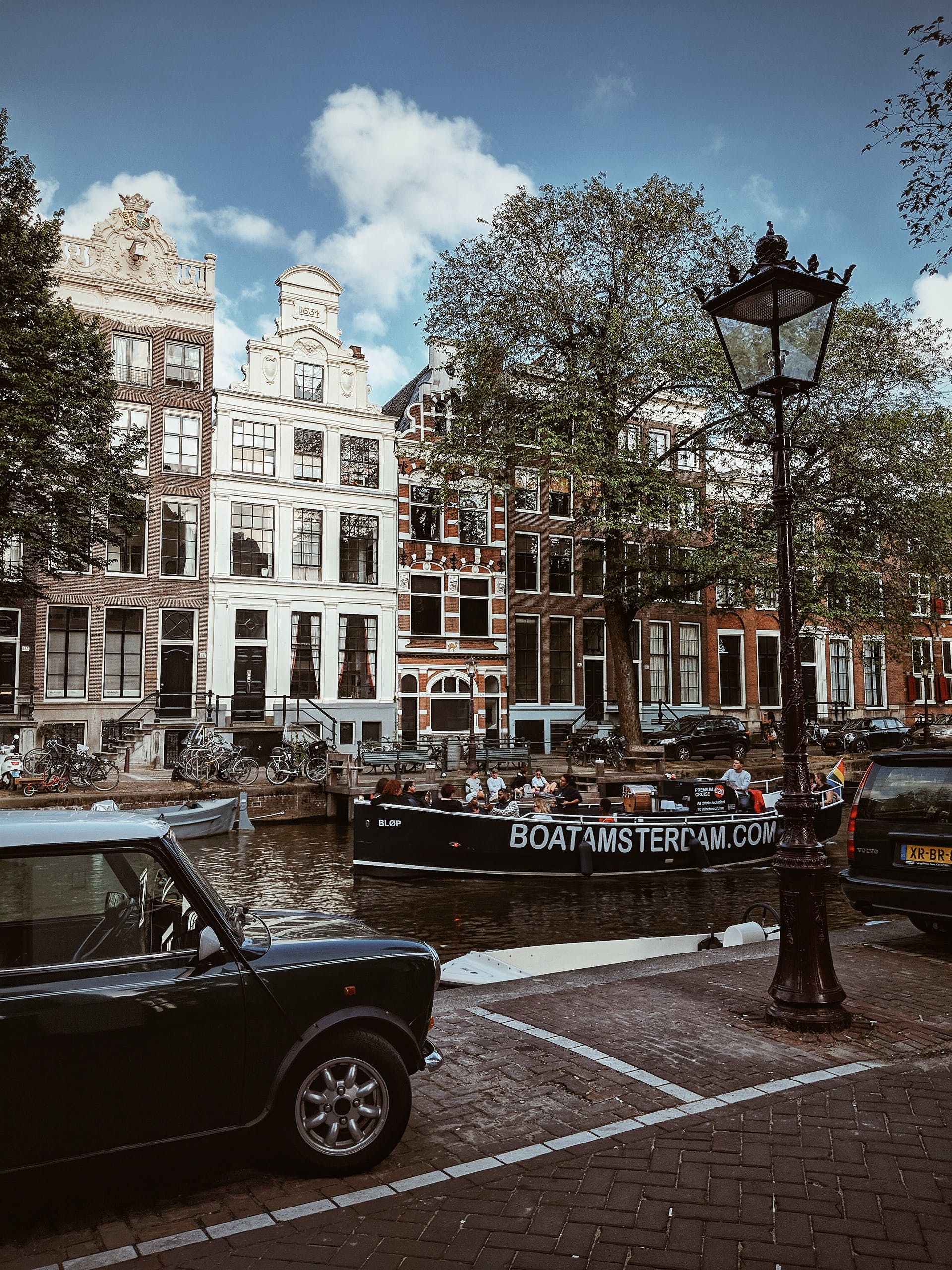 Everyone who decides on Amsterdam travel must cruise the Amsterdam canal system. The canal ring, Grachtengordel, belongs to the Golden Age of the 17th Century. Remember the name Netherlands means the low country with much of it only metres above sea level. Some of the country is even below sea level.
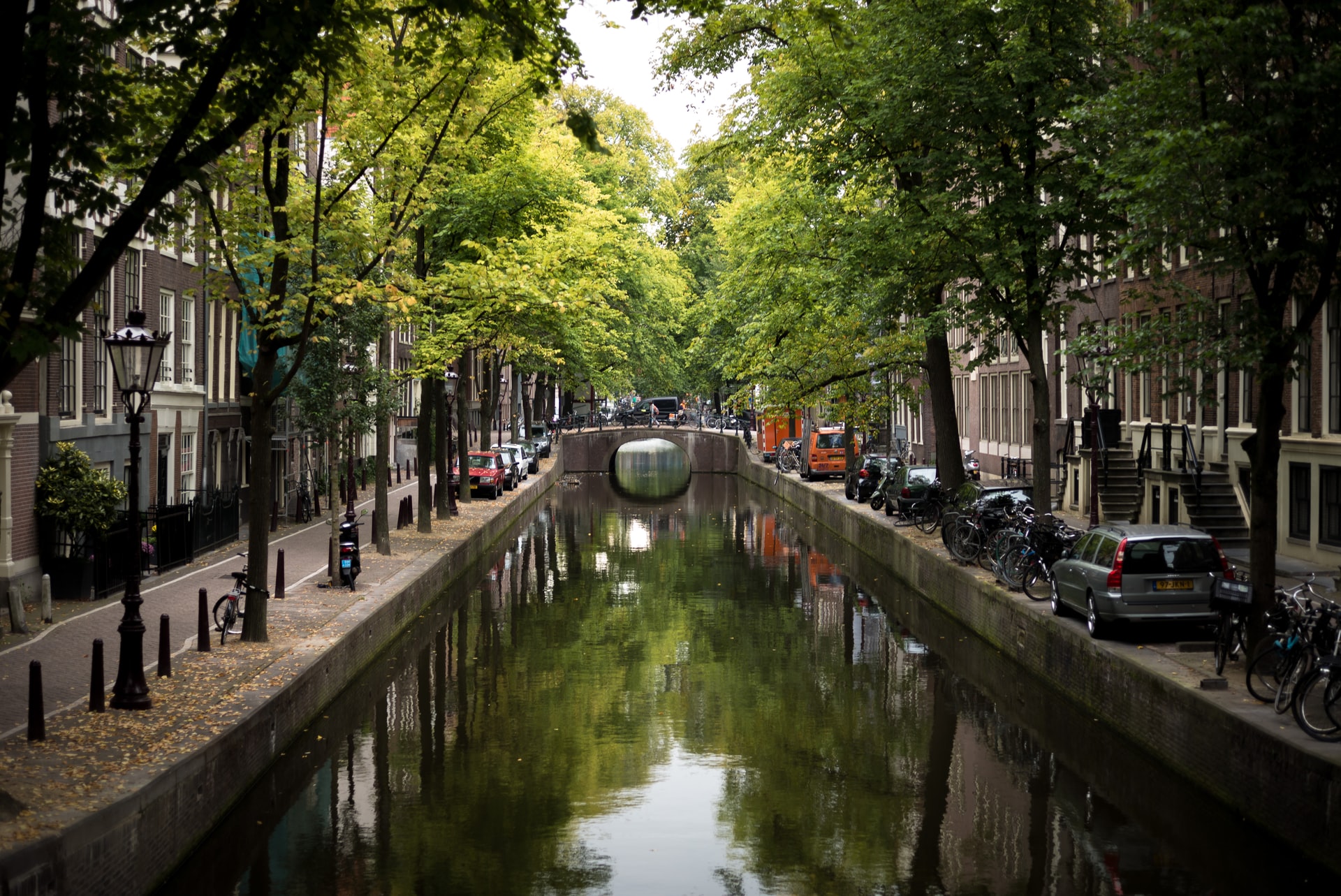 The development of these canals had a practical purpose. They allowed for land reclamation and were a means of drainage. The trading wealth of the 17th Century allowed the Dutch to undertake such ambitious projects. On the 400th Anniversary, UNESCO designed Grachtengordel as a World Heritage site.
Dancing Houses
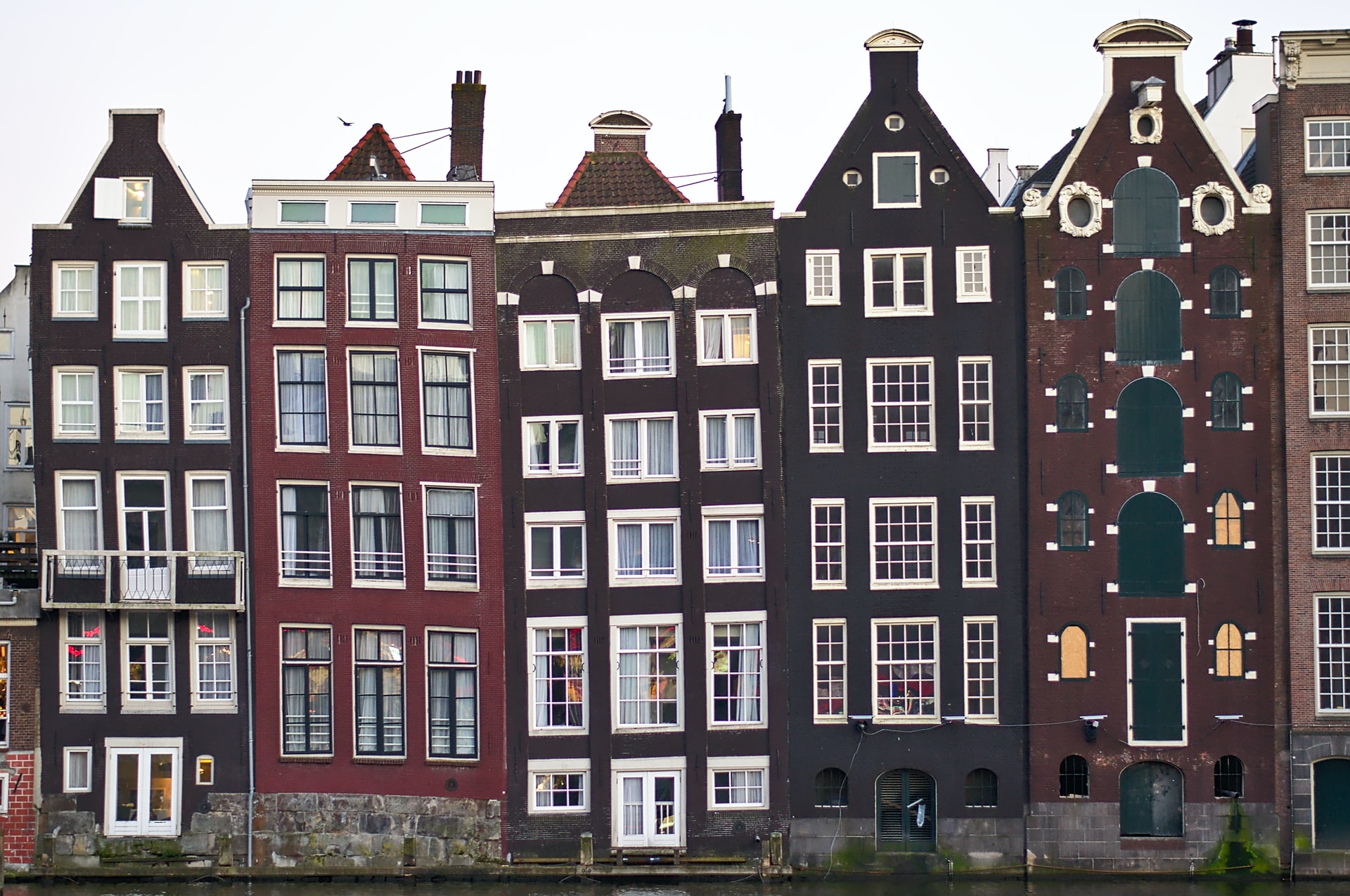 These terraces that line many of Amsterdam’s canals get a quaint nickname. The fact that they seem to be crooked gets a nickname that suggests they are moving. Typical ‘’ Dancing Houses’’ are tall with several floors. These old terraces are very much a part of Amsterdam history. They belonged to wealthy merchants and traders during the Golden Age. They were home and office all in one.
Modern Living
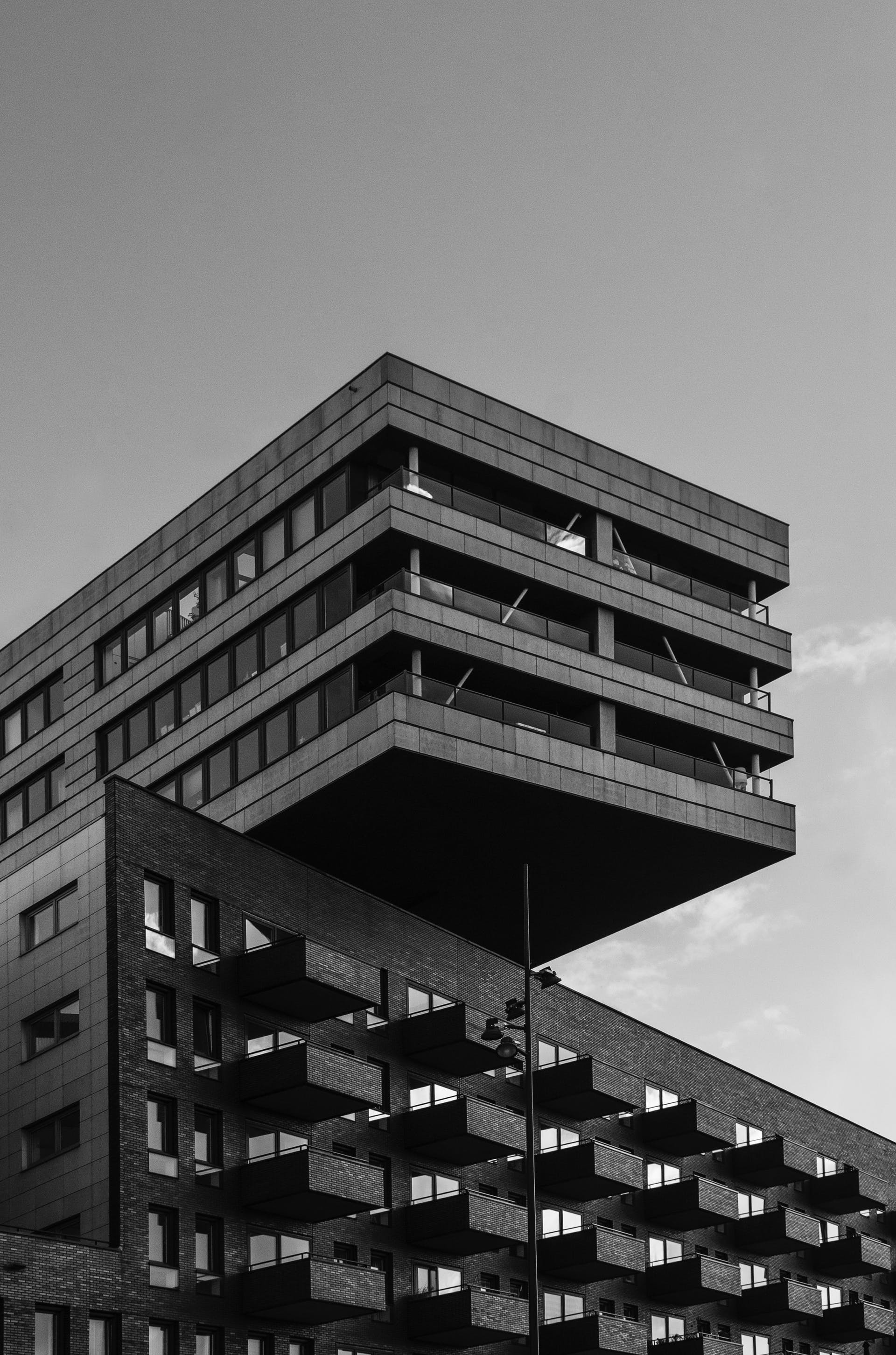 While there are plenty of historical buildings in Amsterdam, many noted architects from throughout Europe have designed modern structures within the City. The City has even hosted the World Architecture Festival. Land is at a premium. Most inhabitants of Amsterdam live in apartments. It is easier to build up than to find land on which to build.
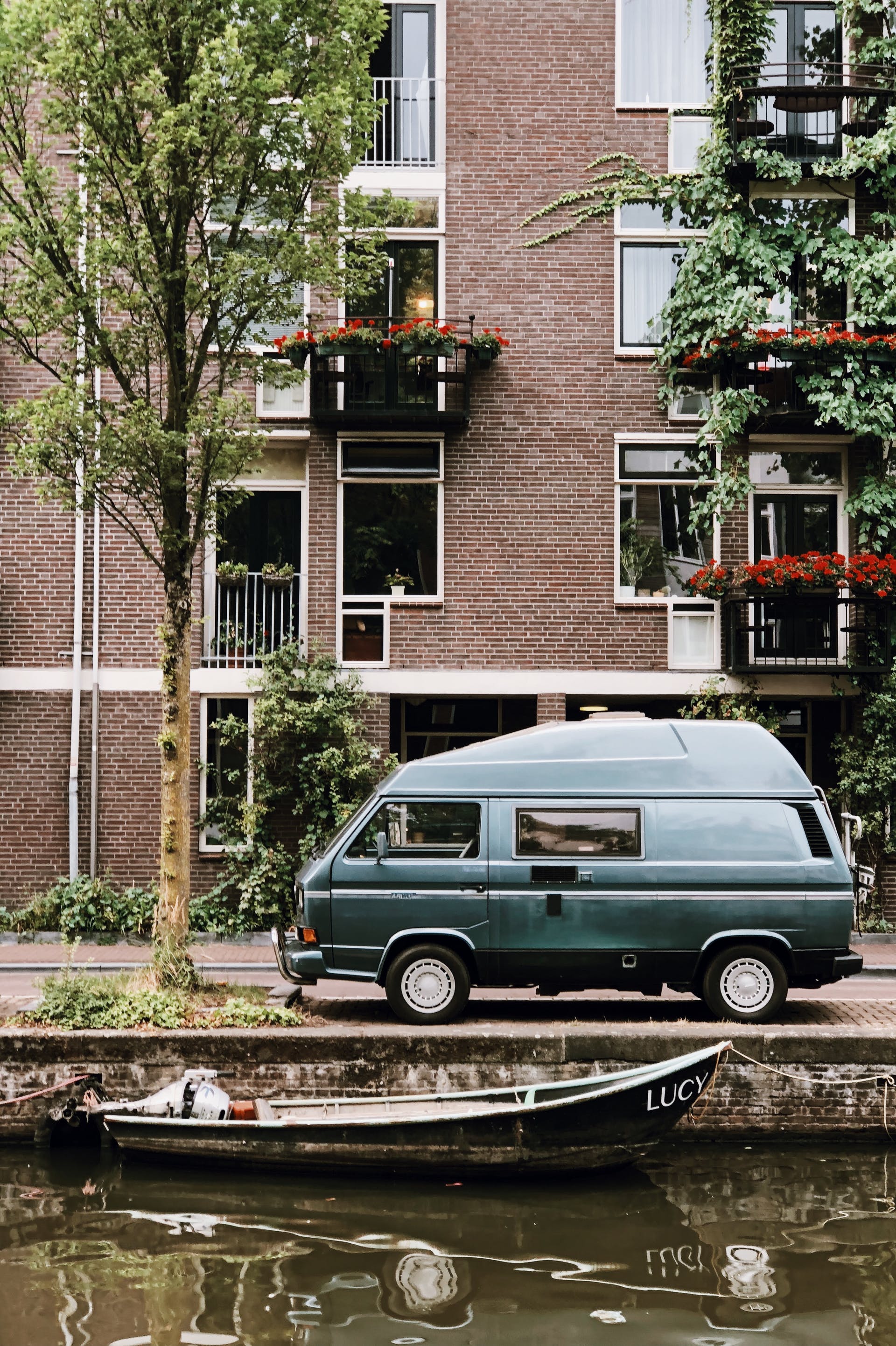 Lucky locals can enjoy an apartment close to one of the many canals. Tourists may find Amsterdam expensive but only relatively. Its popularity is the reason why prices may seem high. However, the cost of living for locals is reasonable. It does mean that if you look around, there is good value available.
Rijksmuseum
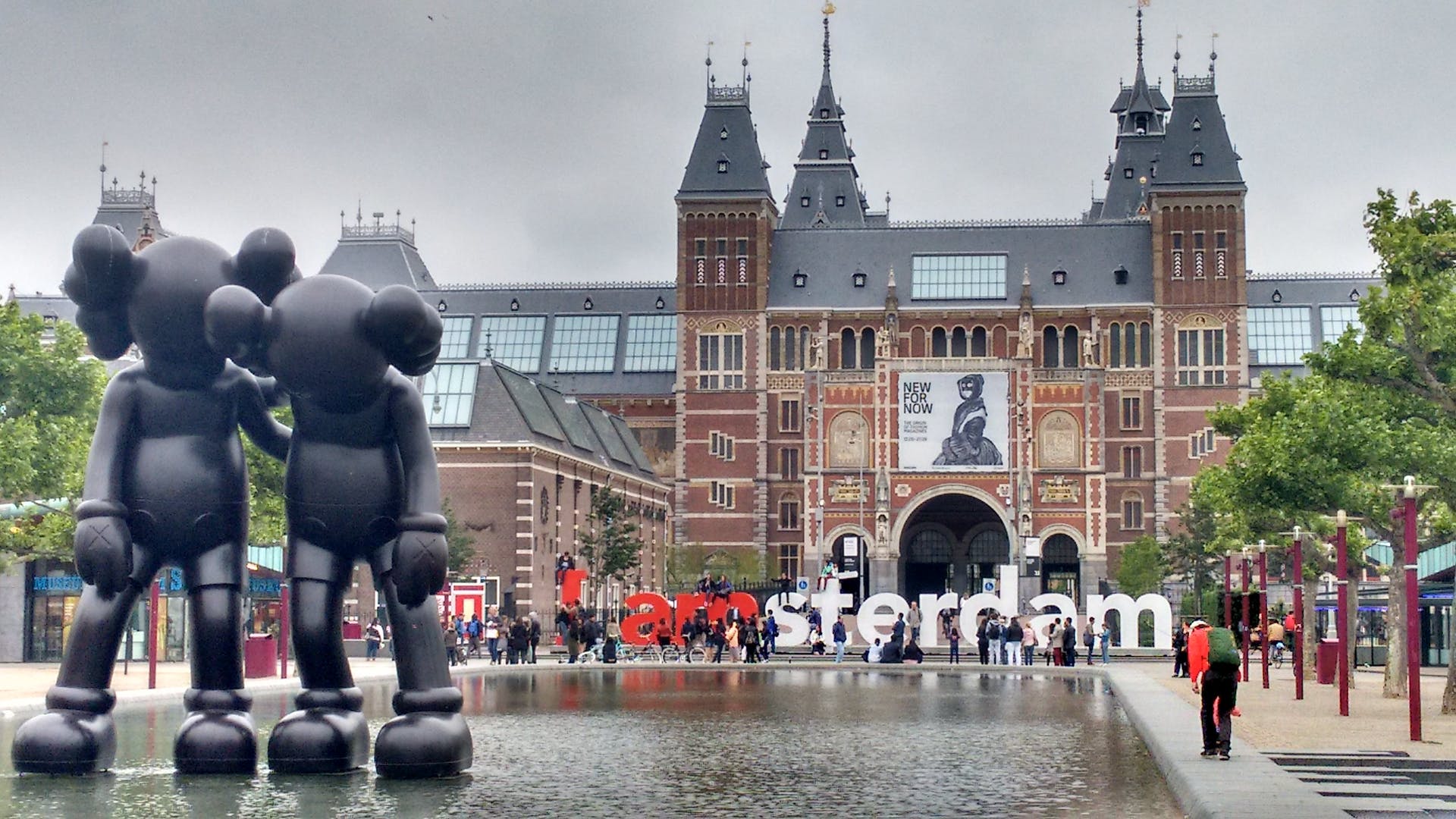 The Rijksmuseum dates back to its present location to 1798. It holds one of the best collections of art in the world. The Rijksmuseum in fact covers eight centuries of Dutch history. It is the top tourist attraction in the Netherlands getting well over 2 million visitors annually. When it comes to things to do in Amsterdam, visiting its museums must be on the itinerary.
The highlight amongst the many masters represented in the museum is arguably Rembrandt’s ‘’The Night Watch.’’ Its full name is the Militia Company of District II under the Command of Captain Frans Bannick Cocq. Rembrandt finished this masterpiece in 1642 taking three years to complete it. It is a huge painting, measuring 363 cm. X 437 cm.
The Dutch & Their Bikes
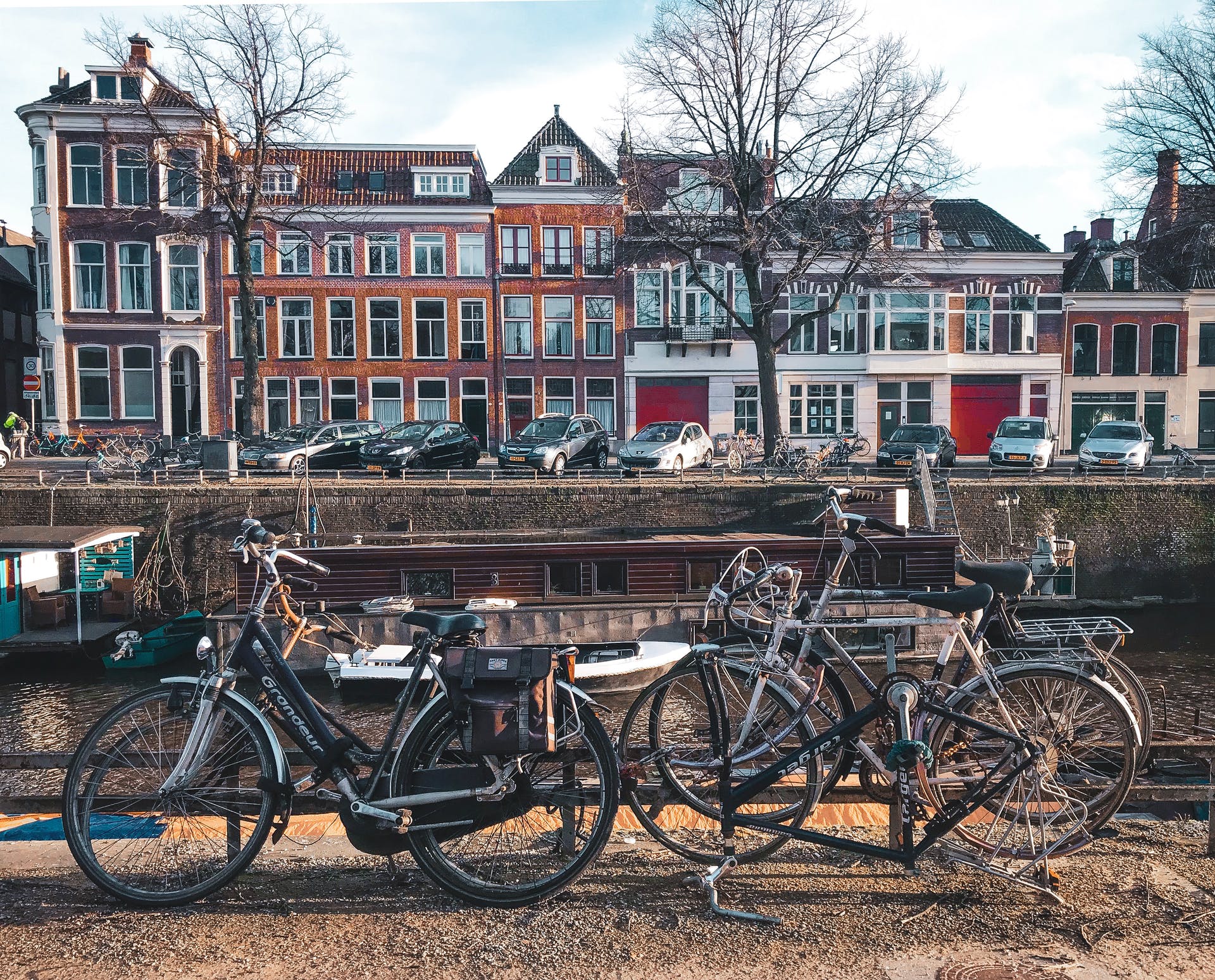
There are more bikes than people in the Netherlands. Amsterdam is ideal for cycling. Over 500 kilometres of dedicated cycle paths in the City make it easy for locals and tourists alike to cycle round. Rental bikes are readily available on a daily basis. All you need is a map and an Amsterdam bike and off you go.
Flower Market
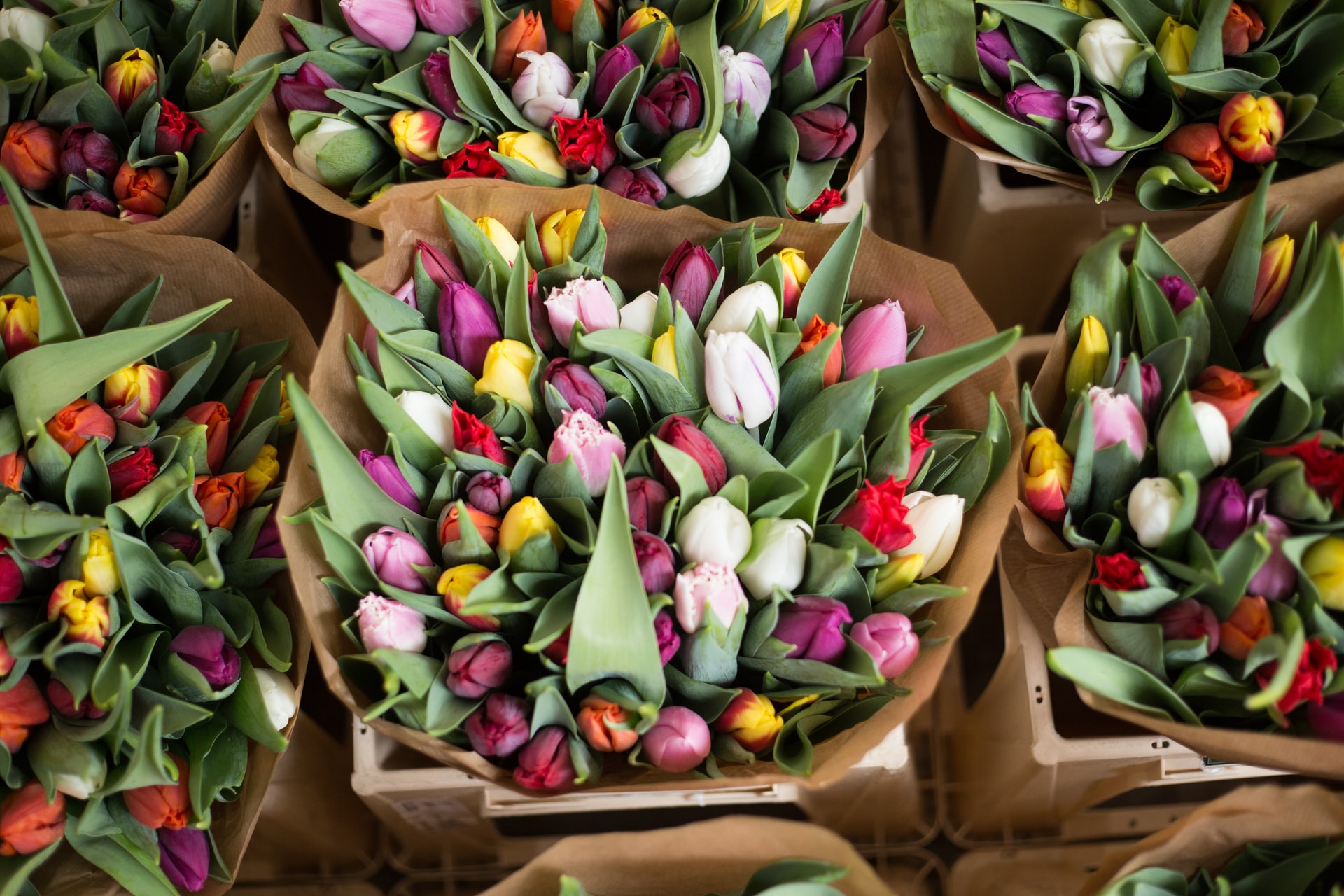 ‘’Tulips from Amsterdam’’ was a hit pop song in the 1950s, originally written in German. A Dutch version sold well across Europe while the English version by Max Bygraves reached Number 3 in the UK. It is a romantic ballad talking of springtime.
Flowers have been an important export for the Dutch and the most popular flower of all is the tulip. Over 2 billion tulips head out of the Netherlands every year. The value of flower exports is three times higher than the next country worldwide, Colombia.
If you decide to go to Amsterdam, visit in April and the markets will be filled with tulips. There is even a floating flower market, though not as exotic as Asian floating markets.
Conclusion
Your Amsterdam pictures may not be able to convey some elements of city life. Amsterdam is seen as a liberal and casual city. It has plenty of good bars and restaurants while clubs are also plentiful. All visitors to Amsterdam will enjoy its history and culture.
Cities like Amsterdam attract visitors all year round. Forget that winters can be cold. There is plenty to do in poor weather; just think of the Rijksmuseum for example. The plentiful bars and restaurants are open and welcoming all year round.