


When one thinks of Egypt, they probably think of pyramids, pharaohs, and a lot of sand. But Egypt is home to much more cultural significance than one may initially think. Today, we’re exploring Cairo, Egypt’s capital, and the place you should first visit if you plan on touring this beautiful country.
The Pyramids of Giza
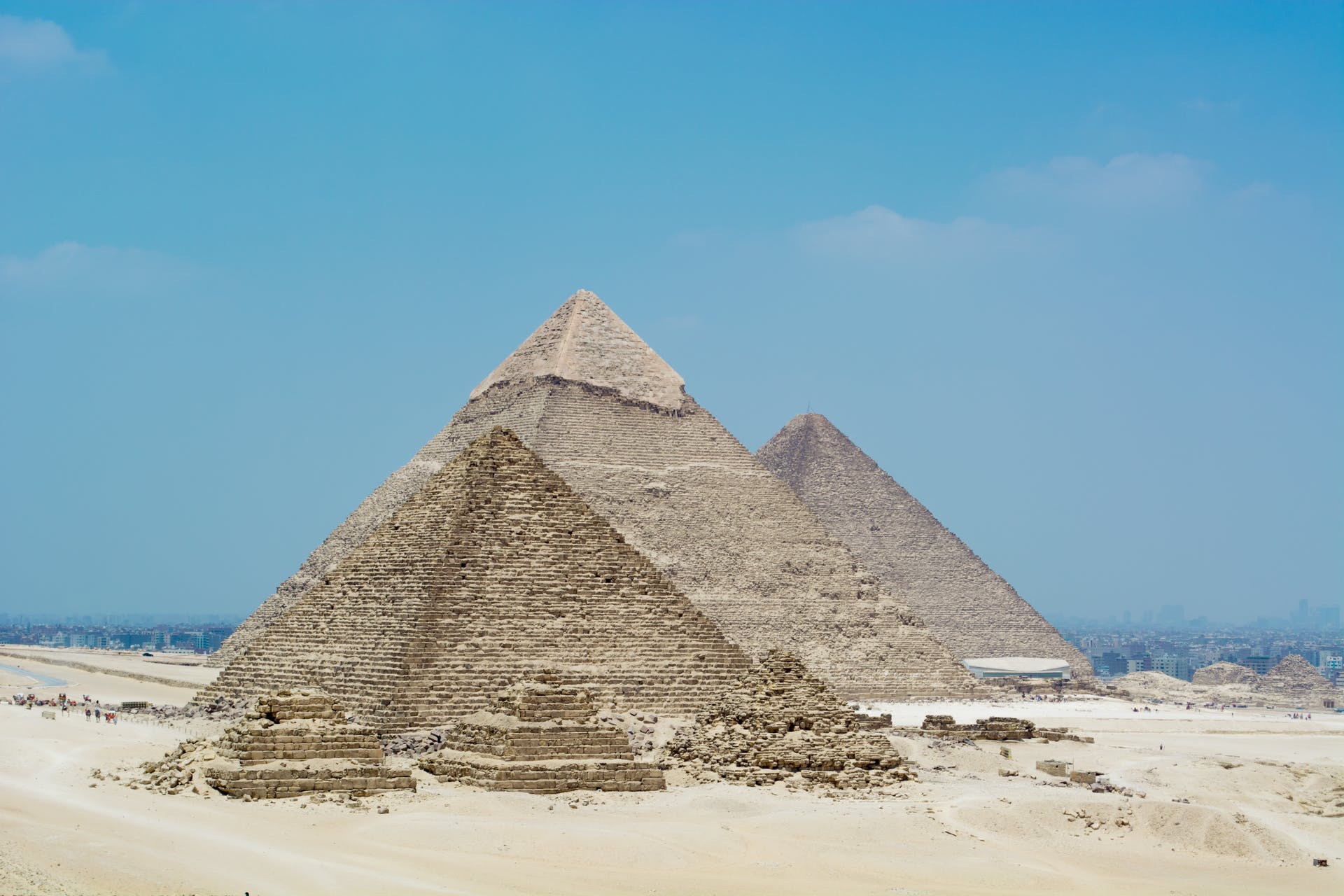
If there’s one place that you should visit in all of Cairo (and Egypt as a whole), it’s this place. The Pyramids of Giza are one of the most famous ancient structures ever constructed. This is, of course, partly due to its sheer size, but it is most famous for being a marvel of engineering. The pyramids were built from roughly 2550 to 2490 B.C., which is over 4000 years ago. To put that into perspective, Cleopatra, one of ancient Egypt’s most famous figures, lived closer to constructing the first Pizza Hut restaurant than the pyramids’. You’re not allowed to climb the pyramids themselves, but they’re still a beauty to see even from afar.
The Great Sphinx of Giza
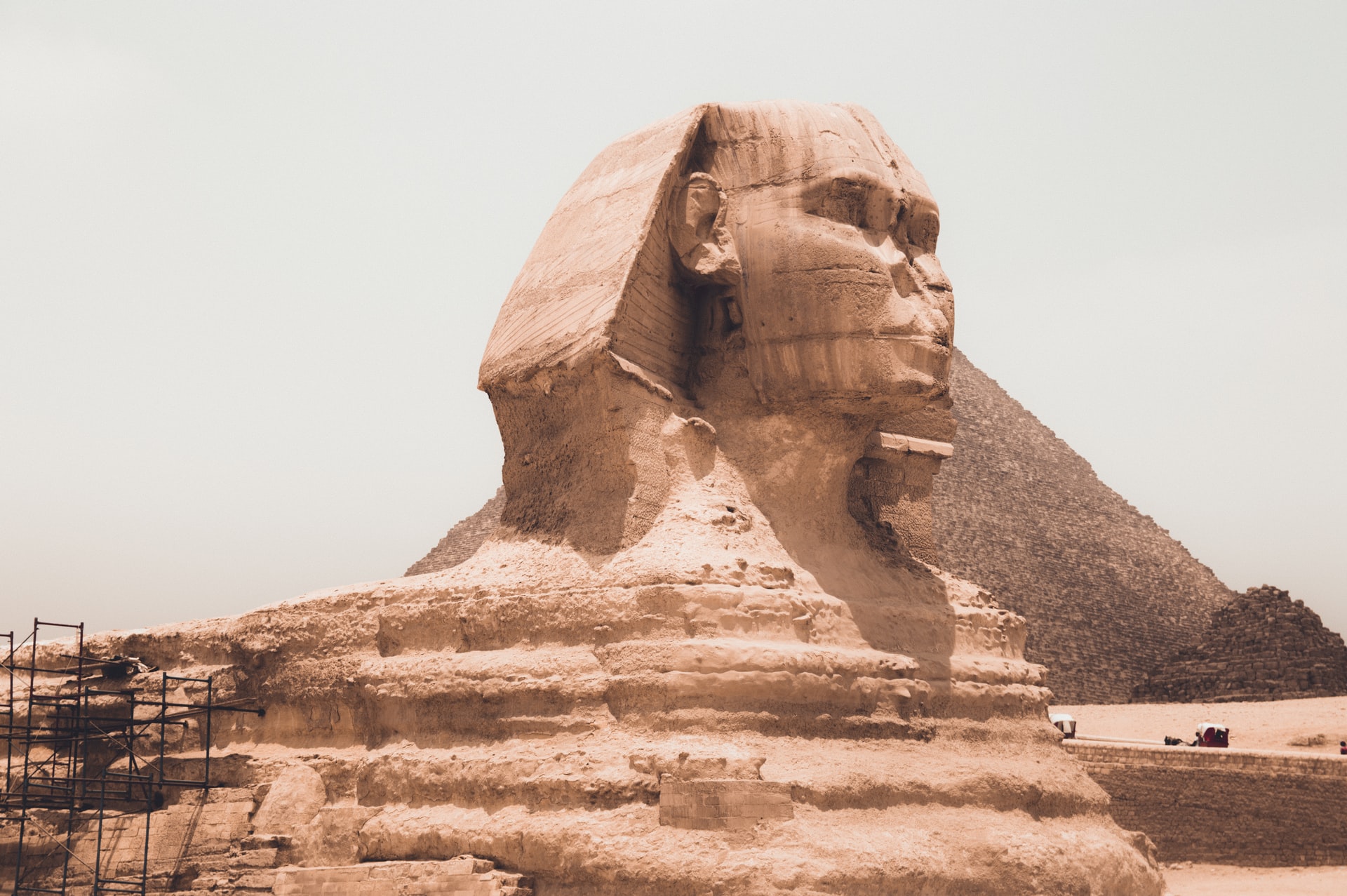
Another iconic structure in Cairo, The Great Sphinx of Giza, is a fascinating ancient sculpture. It has the body of a lion with the head of a human, and it was buried partially in the sand before archeologists managed to excavate the area around it. Curiously, the Egyptian civilization wasn’t the only one that mentions sphinxes – Greek stories and epics mention sphinxes, too. In them, they ask people riddles, and those that fail to answer meet a terrible fate. This particular sphinx has its head shaped after the pharaoh Khafre.
An Aerial View of Cairo
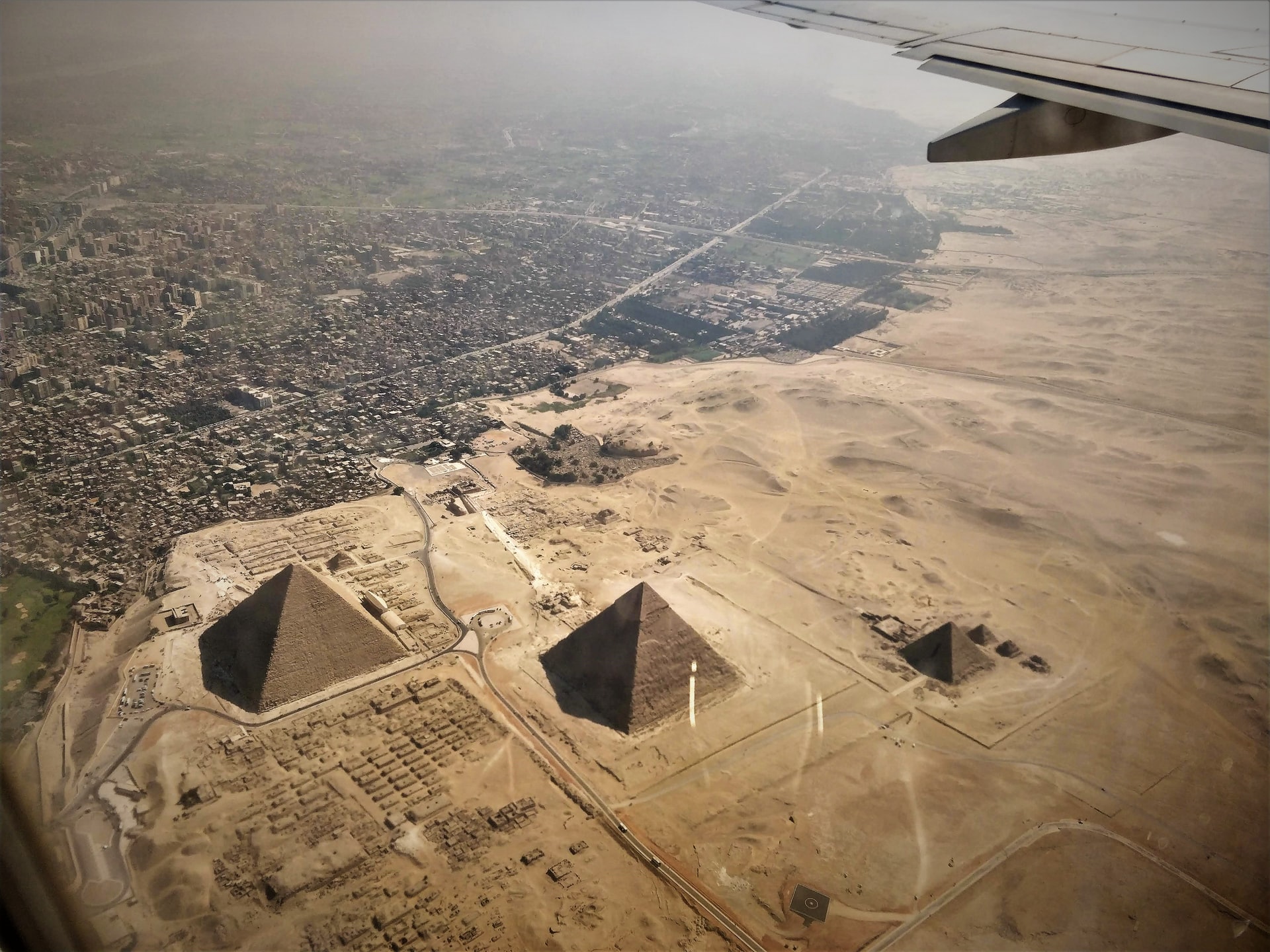
This photo gives you a bird’s eye view of the city of Cairo. You can see the many skyscrapers and buildings in the distance, with the pyramids closer to view. This photo shows us the contrast between ancient and modern Egypt. While the city has embraced modern ideologies and ways of life, it has not abandoned its past. This is noted by the fact that there are barely any modern structures found near the pyramids themselves. It’s also worth noting that even today, the pyramids are still taller than many modern buildings and structures, showing just how impressive it was to construct at the time.
Cairo Tower
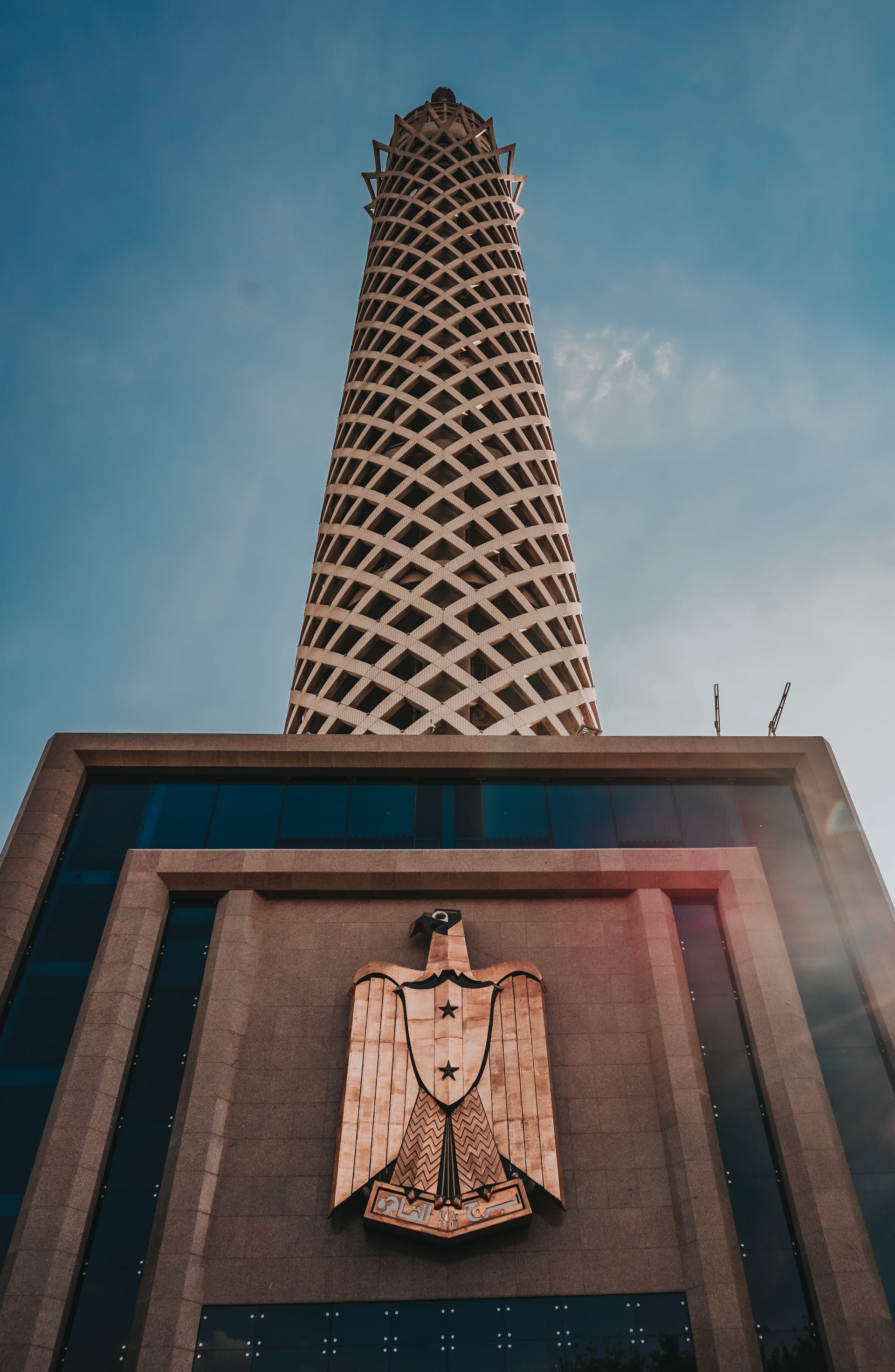
Cairo Tower was a structure that stood as the tallest in the entire African continent until 1971. It stands at an impressive 187 meters high, which is a massive feat for a concrete-based tower. The tower itself was meant to bear similarities to the lotus plant, a plant of much significance in Egyptian culture. Today, it serves as a monument and a reminder that Egyptian architecture is still very much alive.
The Mortuary Temple of Hatshepsut
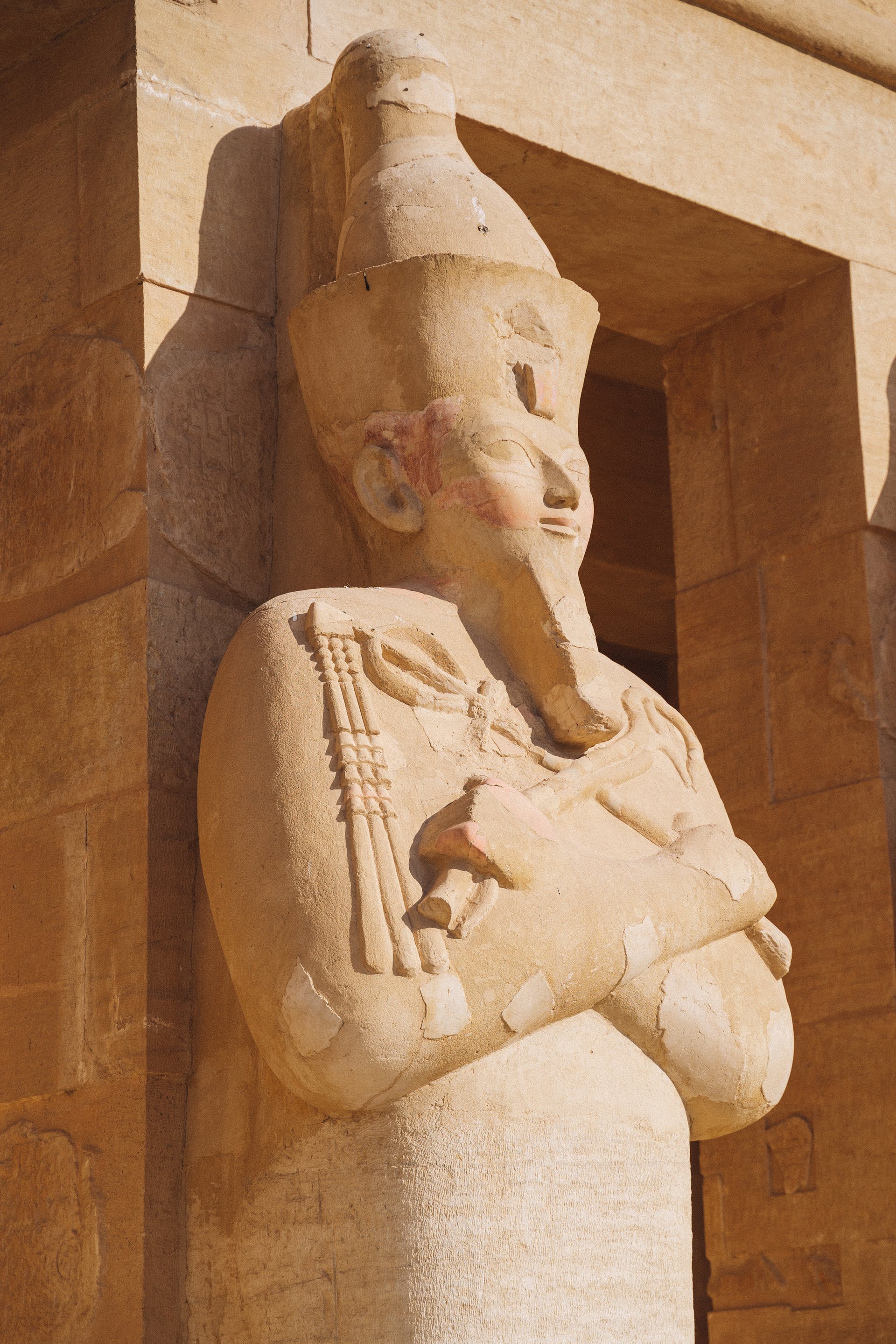
Did you know that pharaohs were worshipped as demigods by the Egyptians? These pharaohs were so widely revered that they would have entire temples erected under their name upon their death. The Mortuary Temple of Hatshepsut is one such temple, one of the most well-preserved temples in all of Egypt. The temple itself is filled with ancient hieroglyphics and artifacts that have stood the test of time. While this sort of treatment isn’t given to anybody these days, The Mortuary Temple of Hatshepsut shows us how much the Egyptians valued their beliefs towards gods and goddesses and, by extension, their rulers.
Urban Life in Cairo

Cairo may not be the most developed country capital, but it certainly is one of the most unique. Few capital cities also carry cultural significance. Many Cairo citizens may not feel as deeply connected to their history as we may think, but the city itself aims for the future every day. Shown above is a stunning picture of the many classes of buildings scattered throughout Cairo’s neighborhoods, with the skyline shown faintly in the distance.
The Egyptian Museum
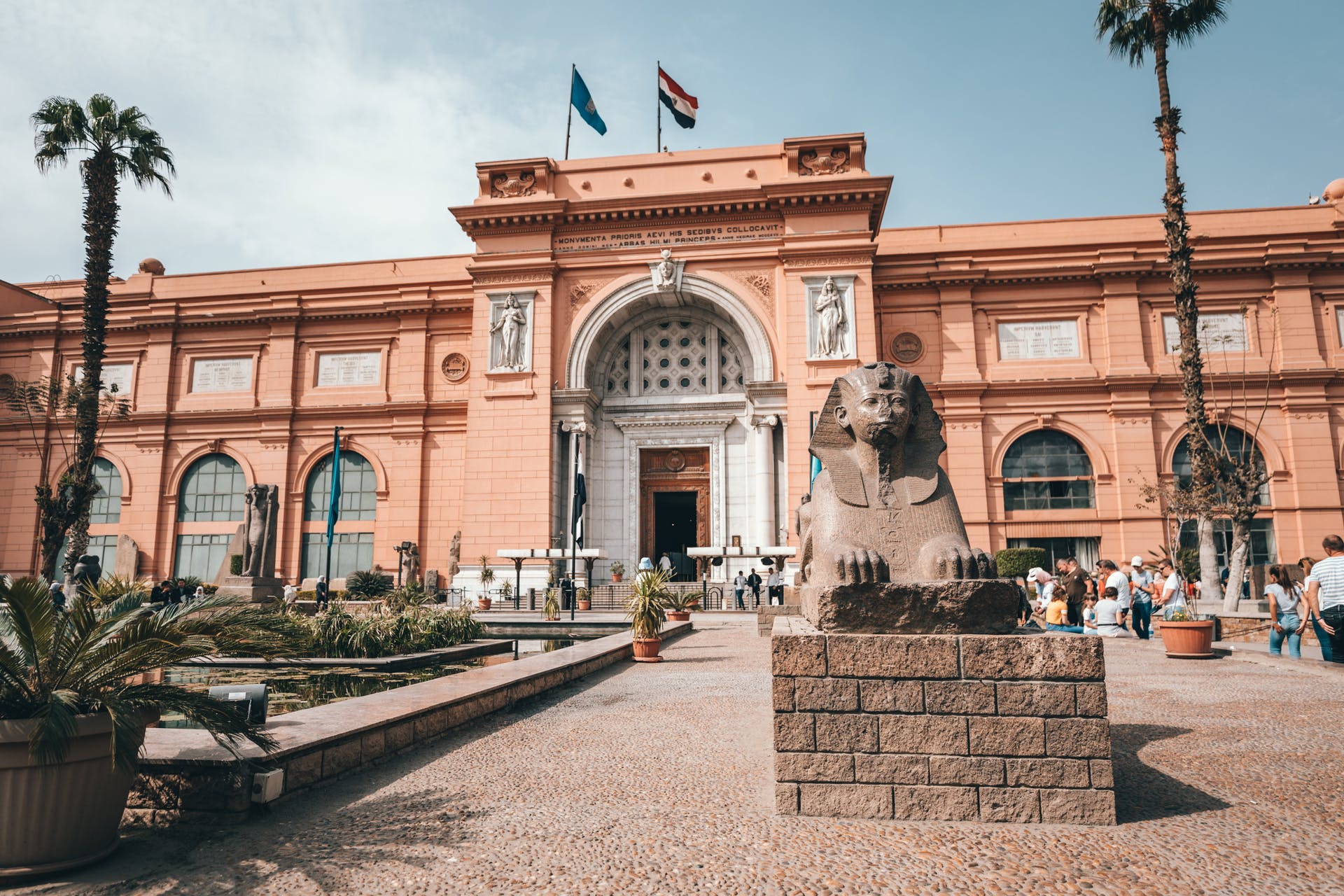
If the weather isn’t good enough for outdoor touring, you can head over to the Egyptian Museum to see a more curated look into Cairo and Egypt’s history as a whole. The museum is home to some of the country’s most prized relics, such as heavily ornamented grave masks, which were put onto the mummified corpses of pharaohs when they were buried. Many statues and furniture pieces are still mostly intact, giving us a good idea of how lavish royal living was for the pharaohs and their families.
Cairo Citadel
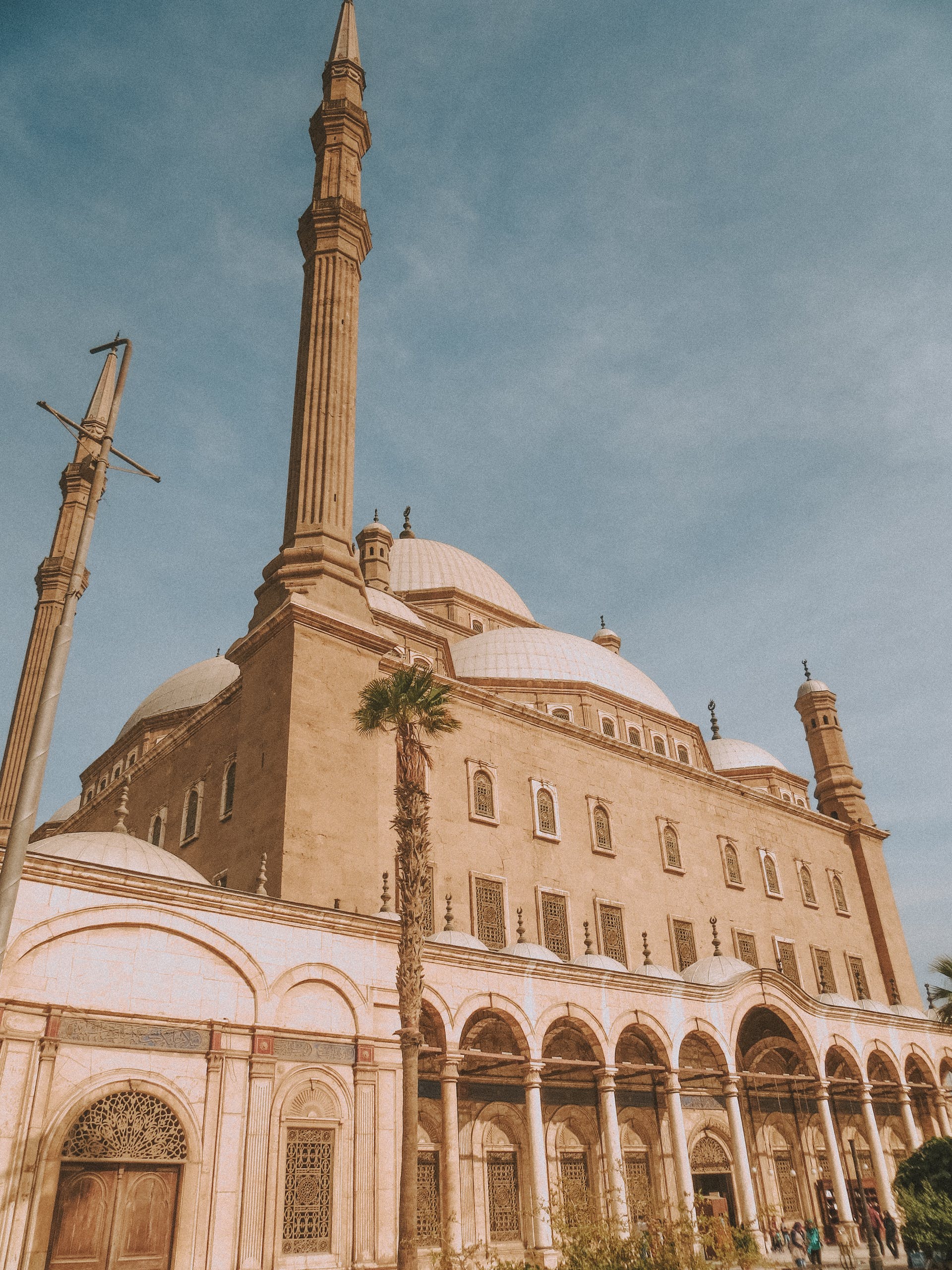
The Cairo Citadel is a much more recent structure than ancient Egyptian structures but is still a relic from the past. It served as a fortification during medieval Cairo and was known for being very strategically located. It was also considered to be a very ambitious project at the time due to its sheer size. Until the 19th century, the citadel served as the heart of the country’s government, a testament to its political significance for hundreds of years. Today, it is one of the city’s many tourist sites.
Camels
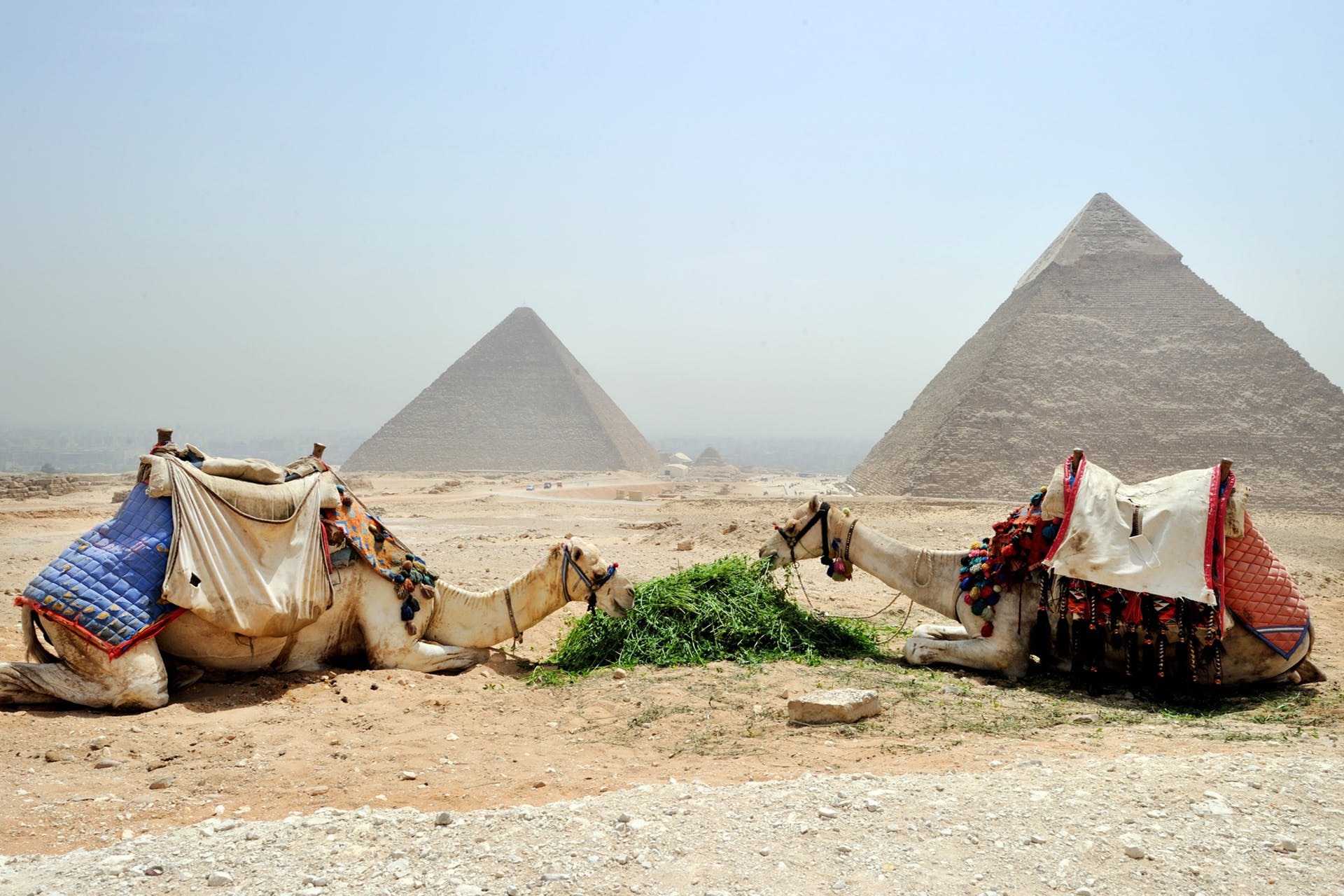
Camels are iconic to Egypt and the Mediterranean in general. Also known as “ships of the desert,” these hardy animals can ferry humans and cargo across vast distances and are ideal for traversing the hot sands that abound Egypt. They are still widely used to this day mainly for this reason. Tourists can enjoy a ride on these creatures during their visit to Cairo through one of the many camel-riding services found across the city.
Conclusion
Cairo has served as the heart of Egypt for thousands of years. As one of the world’s most advanced ancient civilizations, their cultural history is rich and still exceptionally well-preserved. Tourists can expect the journey of a lifetime as they visit the city’s many tourist spots. While many of the city’s ancient secrets have been lost in the sands of time, there’s still plenty left to explore, whether it be in the comfort of an indoor museum or at the heart of the desert.