


Finland’s Capital on the Gulf of Finland has a metropolitan population in excess of a million. The population of this huge country is 5.5 million so you can immediately see that Helsinki City is the most important conurbation in Finland. It is located in the extreme south of the country with historical links to neighbouring yet foreign cities, Stockholm, St. Petersburg and Tallinn.
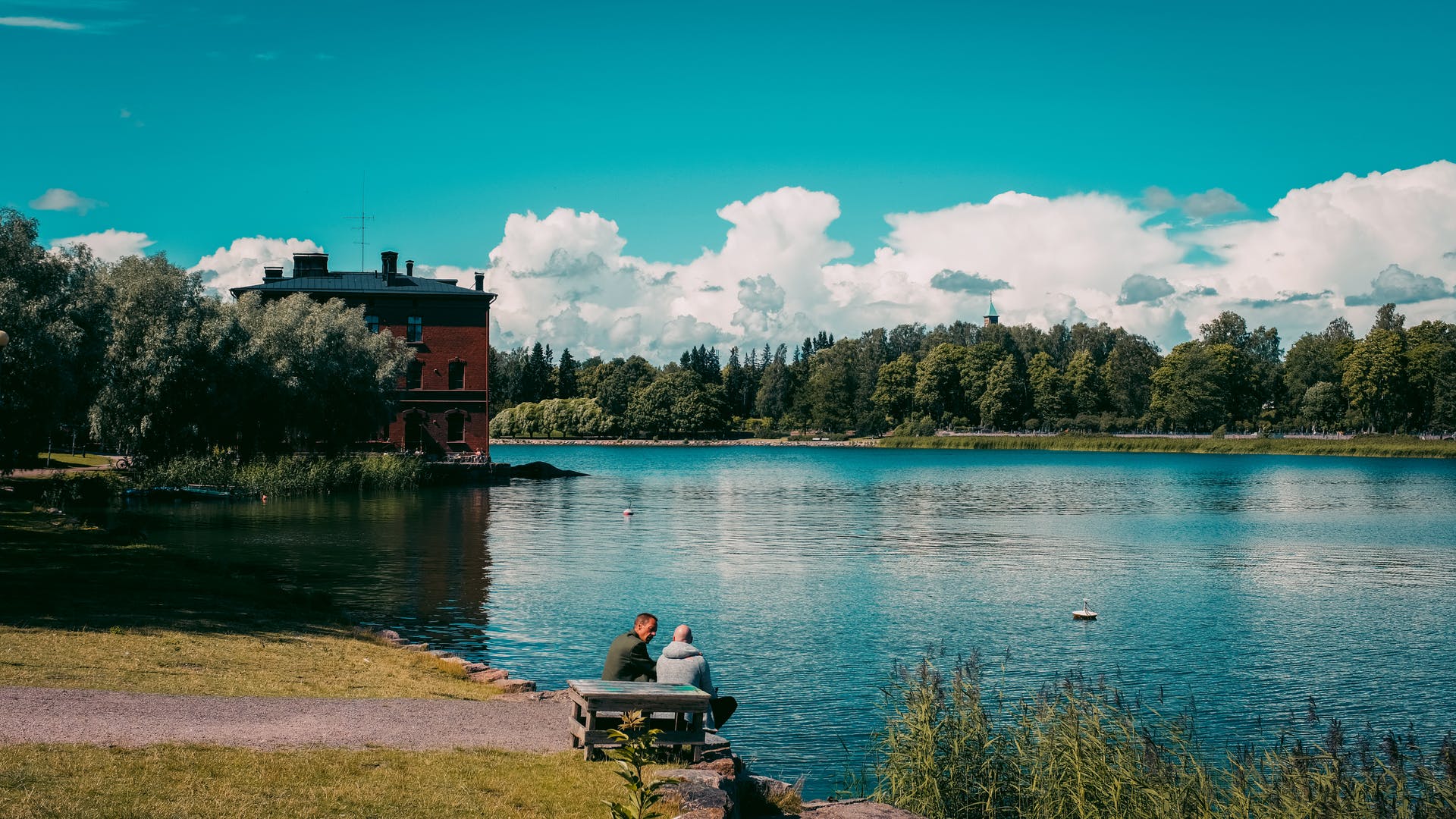
Helsinki was a trading town in the mid-16th Century but it was only in the 19th Century that the settlement grew to any extent. However, it has been since the middle of the 20th Century that growth resulted in real expansion and city status. Helsinki is on a peninsula and over 300 islands; water has always been a constant factor in Helsinki life in one way or another.
Helsinki Cathedral
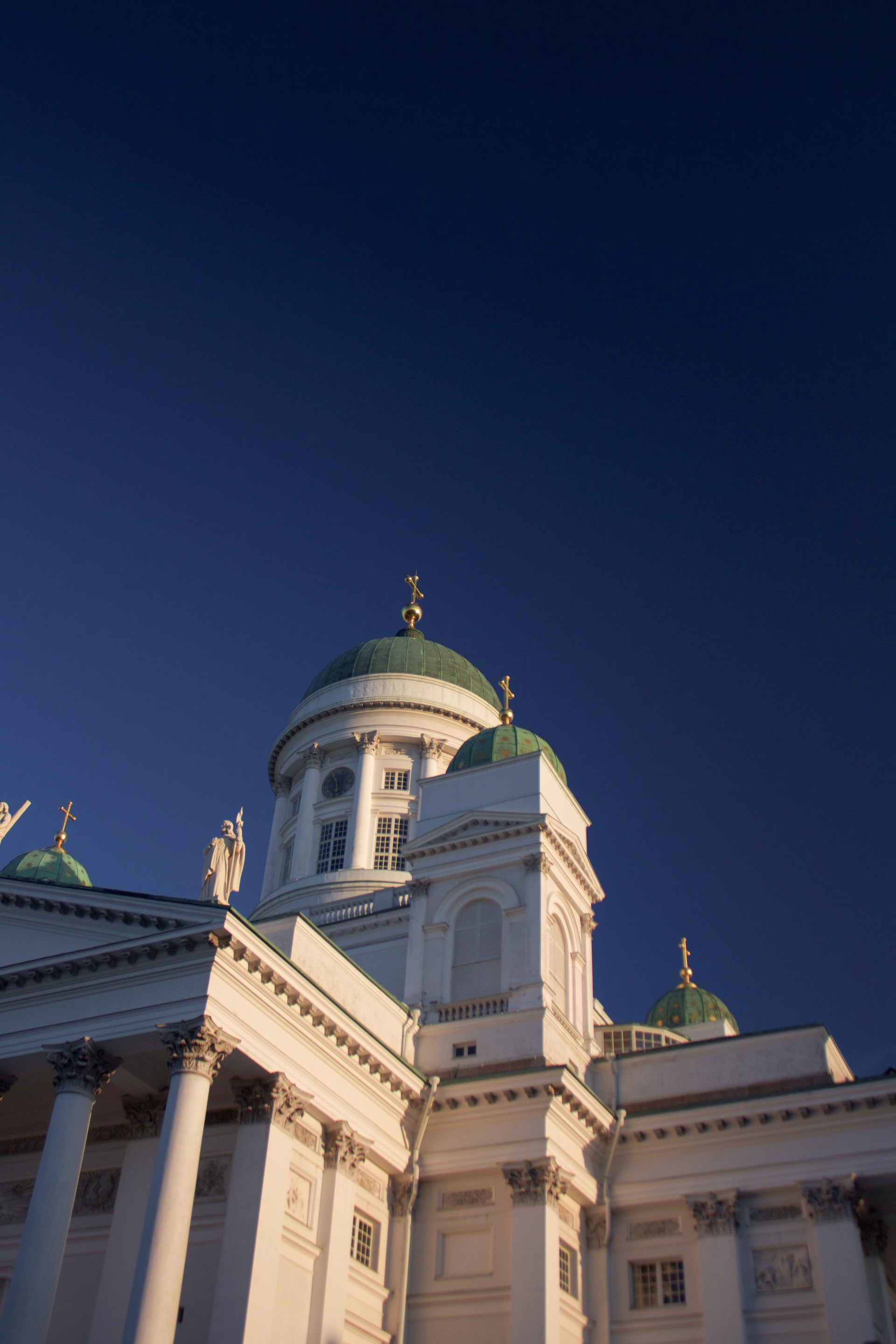
This Lutheran Church in Senate Square in the heart of the City is a tribute to Tsar Nicholas I of Russia. Russia ruled Finland at the time of its building, from 1830 to 1852, with the Russian tsar also having the title of Grand Duke of Finland. It is important to remember that Finland only became independent after the Bolshevik Revolution in Russia in 1917.
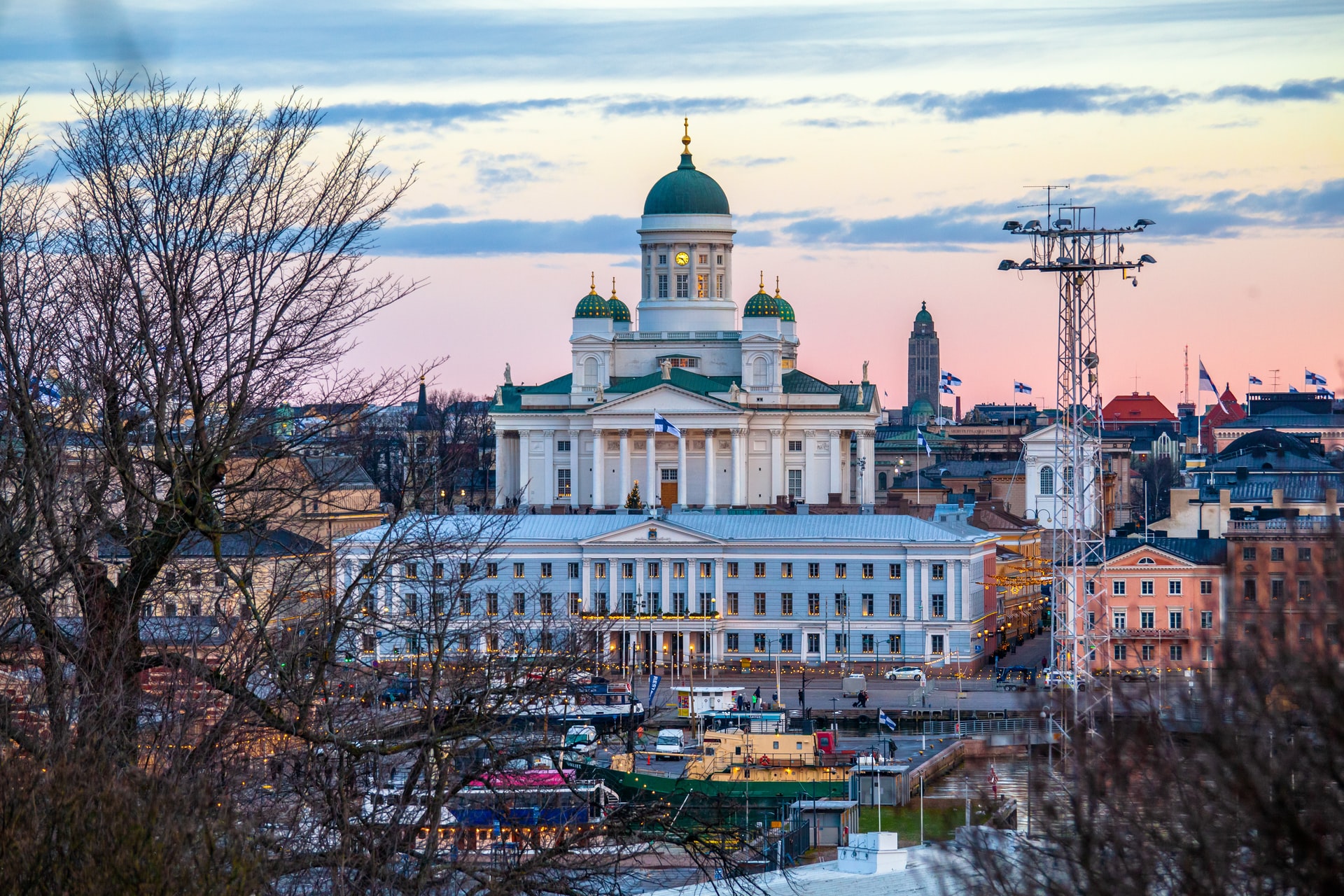 It is very much the symbol of Helsinki with its main green dome visible from many parts of the City. Its funding was from the salt import tax of those days. This lovely church is the most visited landmark in Helsinki and should certainly be among your Helsinki photos.
Uspenski Cathedral
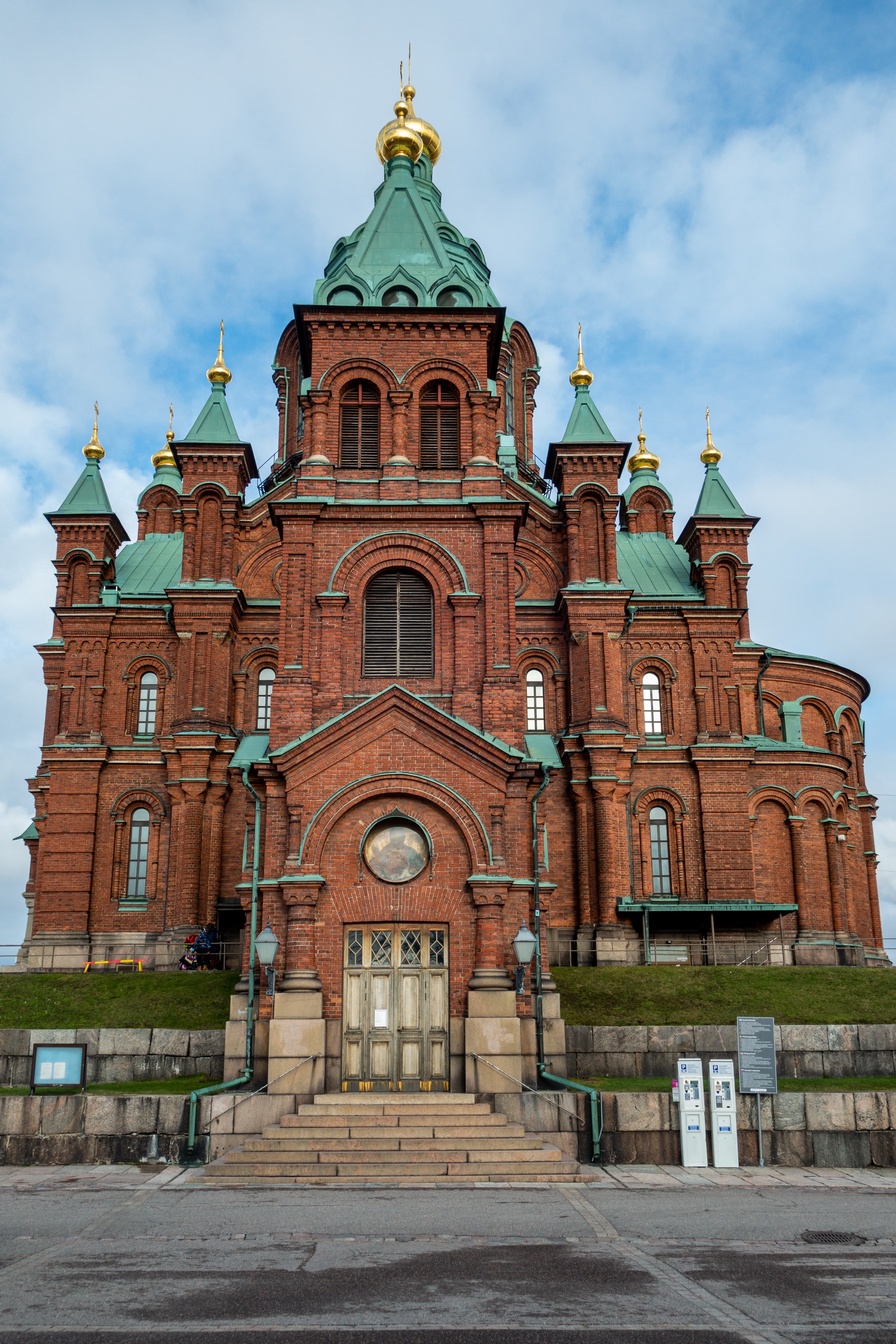
This is the Eastern Orthodox equivalent in Helsinki, financed in a similar way but because of its size, there were also public donations. Its congregation was certain to be far larger than that of the Lutheran church. Dedicated to the Virgin Mary, its style is Russian Revivalist and its consecration took place in 1868.
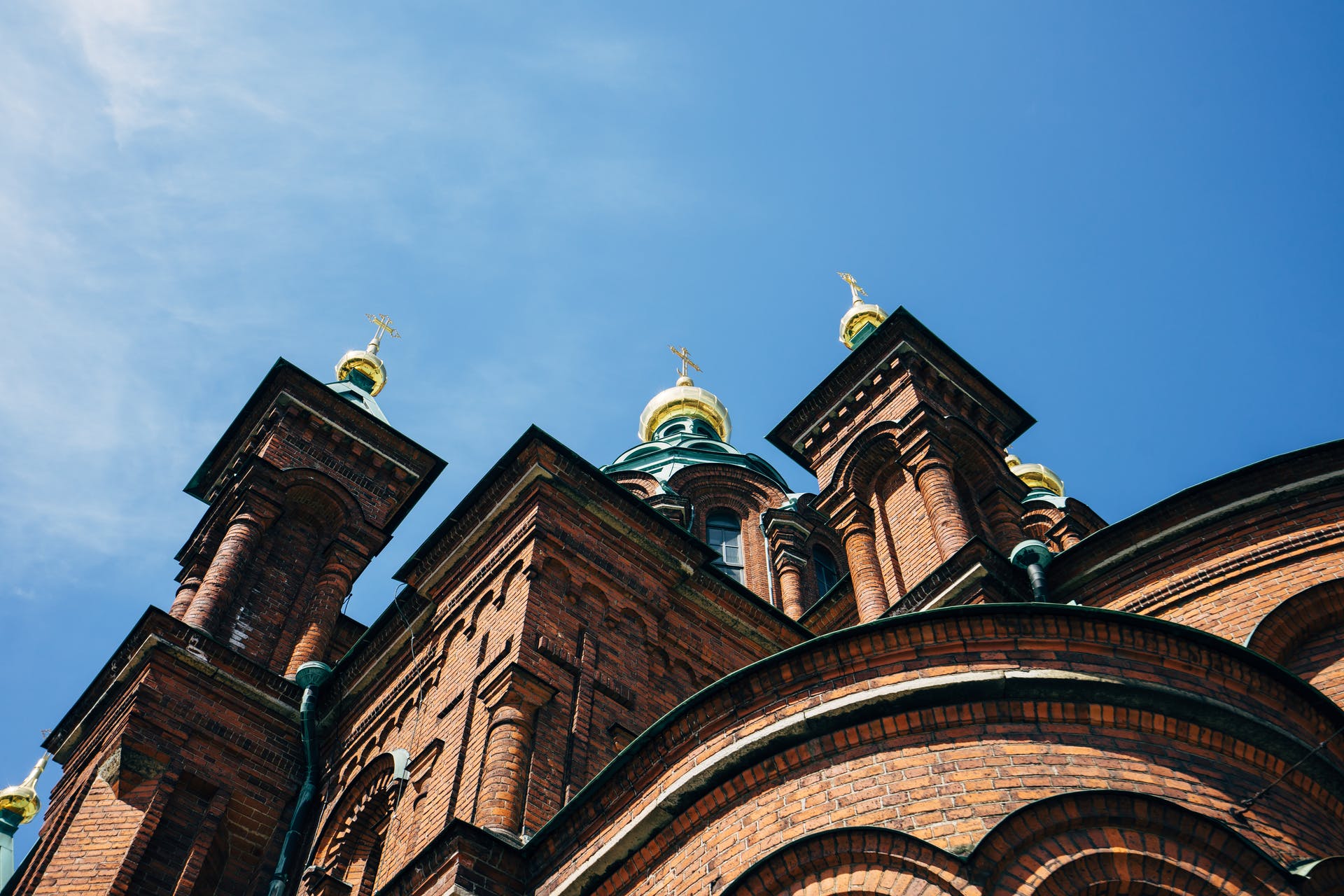 The bricks used in its construction, more than 700,000 came over from the Crimea by barge. They were from the demolished Bomarsund Fortress. In some ways, its location on the Katajanokka Peninsula overlooking the City means those bricks are still in a building with significant defensive qualities.
Kallion Kirkko
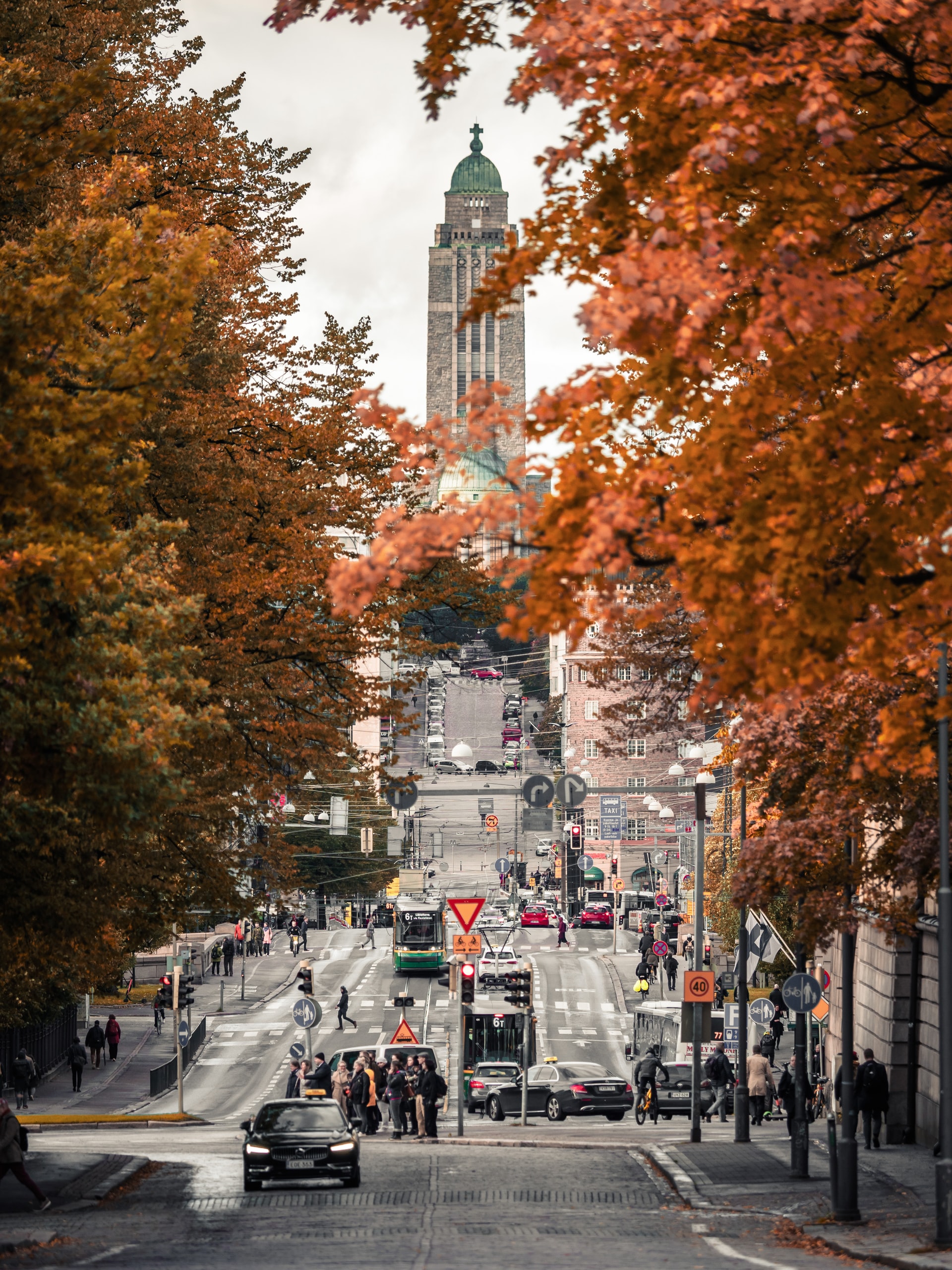
This Lutheran Church looking down one of Helsinki’s thoroughfares combines the styles of Art Nouveau and National Romanticism. It is a huge granite structure 65 metres high with green domes and roof that you will certainly see during your Helsinki visit even if you do not include it on your itinerary.
It dates back to just before the First World War and its great acoustics make it a popular venue for concerts.
Sky Wheel
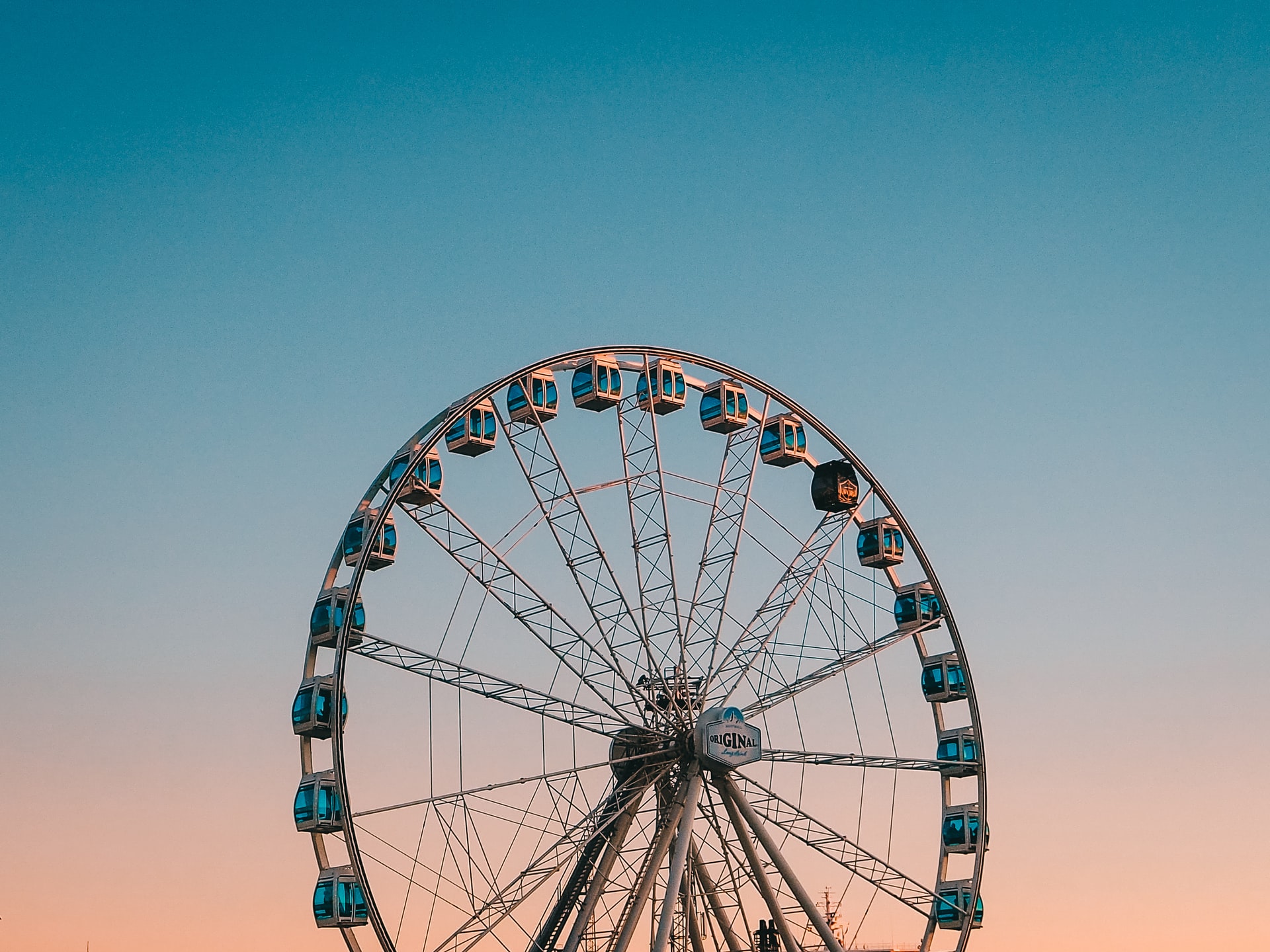
One great way to see Helsinki is from a height. There is no better way to do this and get some different Helsinki images is to take a ride on the Sky Wheel. You will get to a height of 40 metres giving you lovely panoramic views of the City and its surroundings.
Dutch built, it is just a few years old but has become hugely popular with locals and visitors alike. There is even a sauna on it. You will find it at Katajanokka Harbour. Climate control within the 30 gondolas ensures you can ride on the Wheel all year round. If you treat yourself to the one VIP Gondola that holds 5 people you will find a wood-panelled sauna, leather seating and a glass floor.
Kaivopuisto Observatory
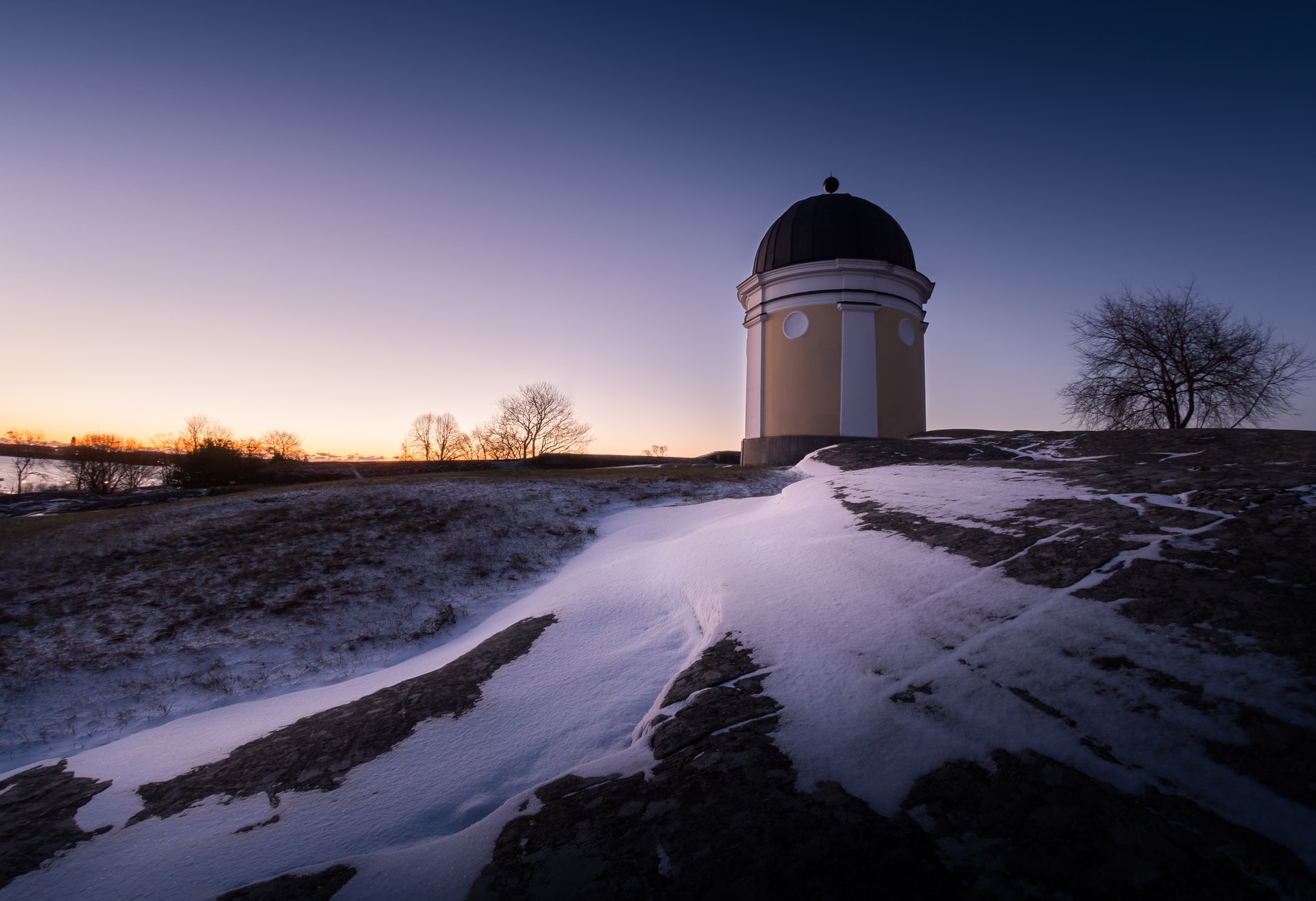 This observatory in the south of Helsinki celebrates its centenary in a few years time although the building itself is almost a century older than that. It takes the name of the Park where you will find it but its official name is actually just ‘’Ursa.’’ Its function today is as a visitor centre for Helsinki University Museum. You will see an exhibition there which aims to educate visitors of all ages about the wonders of Space.
Sibelius Park
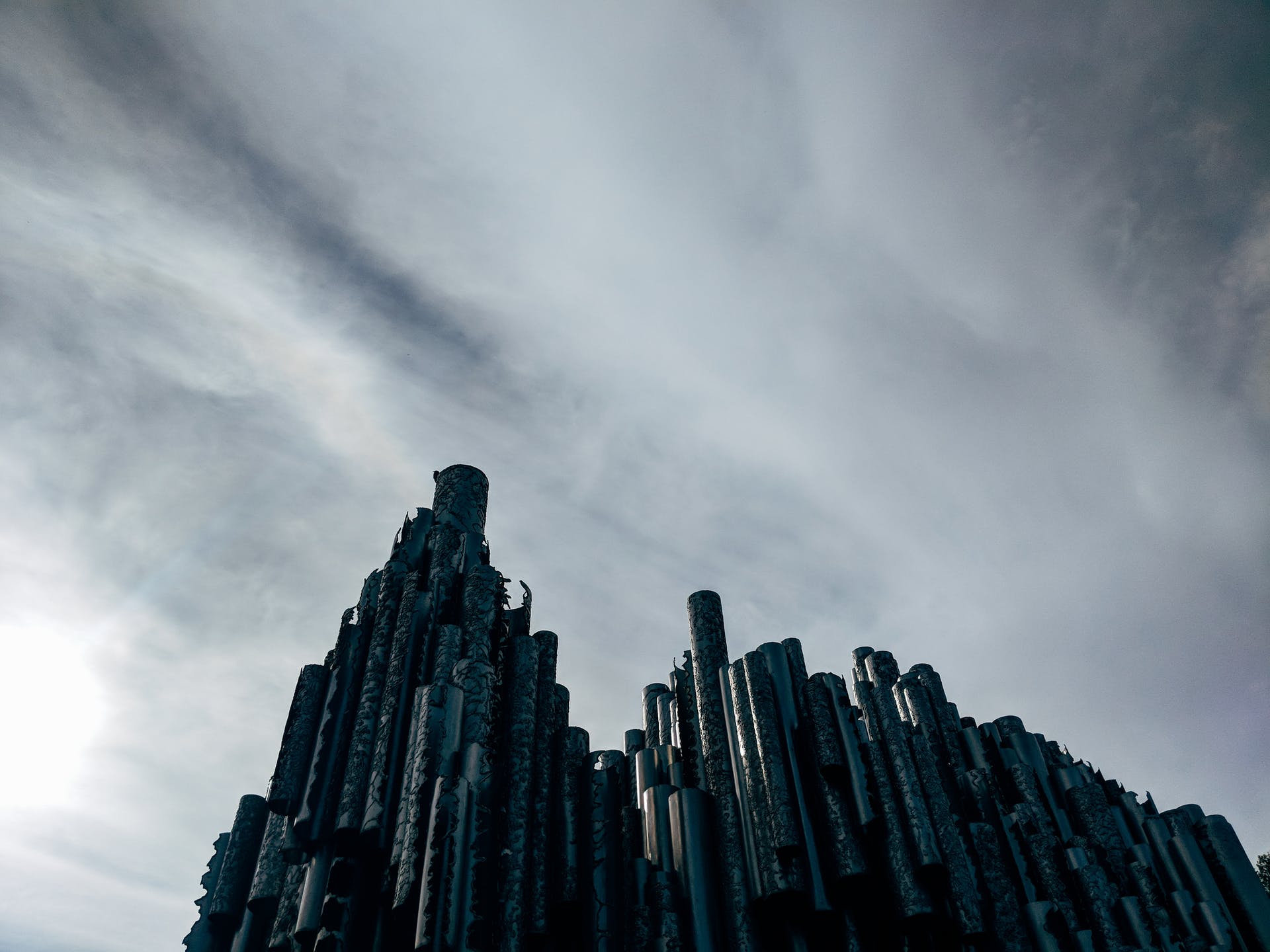 Finland’s most famous composer is Jean Sibelius who was born in 1865 and reached his nineties before he died. He gives his name to a park close to the sea. Its abstract monument should be one of your Helsinki pictures. It represents music, over 600 steel tubes that react to the wind just as a traditional pipe organ would play. When the public first saw the sculpture in 1967, it got mixed reviews so a second sculpture, a bust of Sibelius, was commissioned.
Museum of Contemporary Art, Kiasma
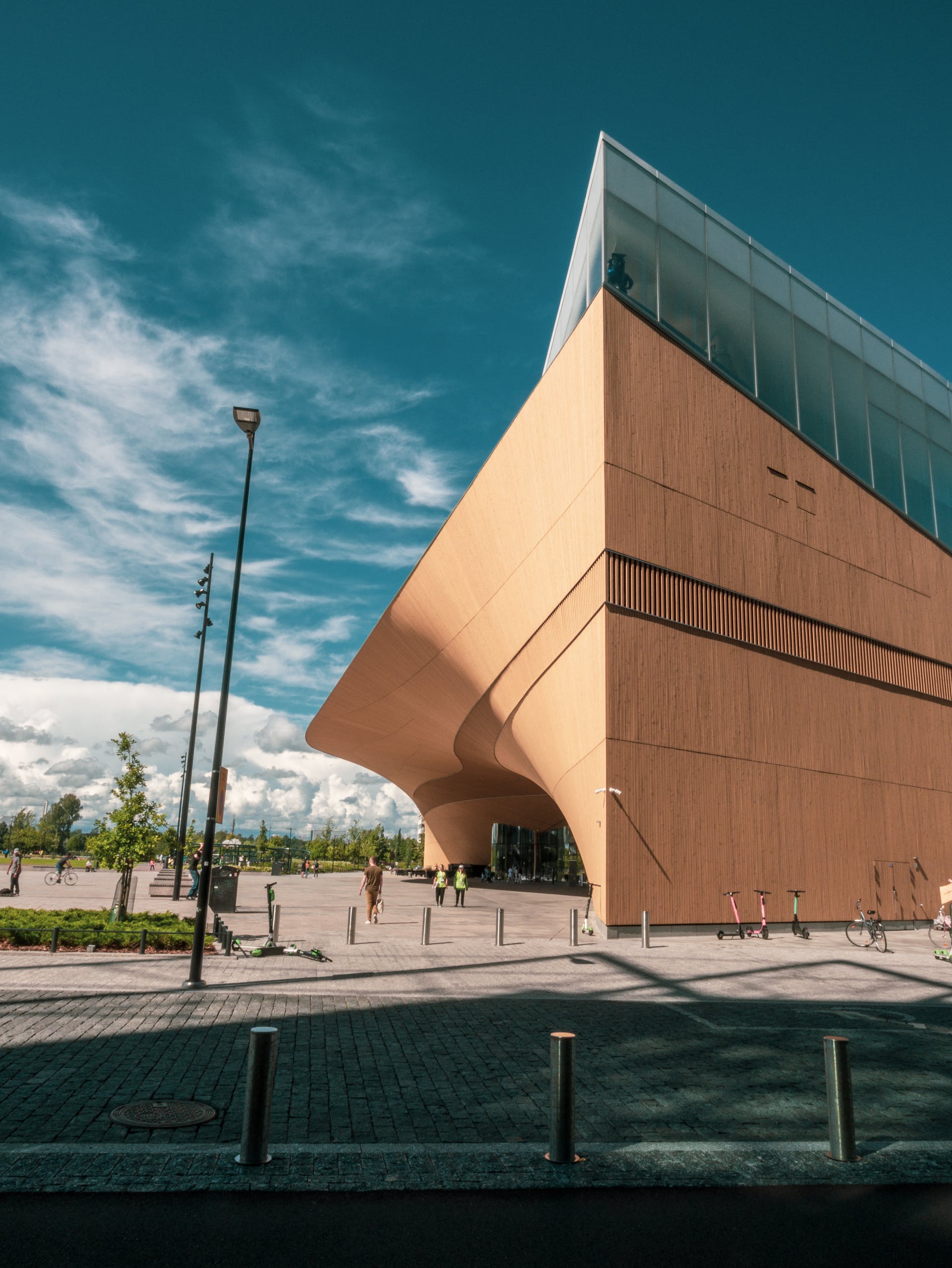
There was a competition to design this museum, a competition open to architects from throughout the Nordic and Baltic countries. The winner however who was invited to submit his ideas anonymously was Steven Holt from the USA. Work on the building began in 1996 and took two years to complete. Over 8,000 artists have exhibits within the museum today. At the last count, around 300,000 visits go through its door each year. Kiasma belongs to the Finnish National Gallery which includes the Ateneum which contains the best of national art.
Tram
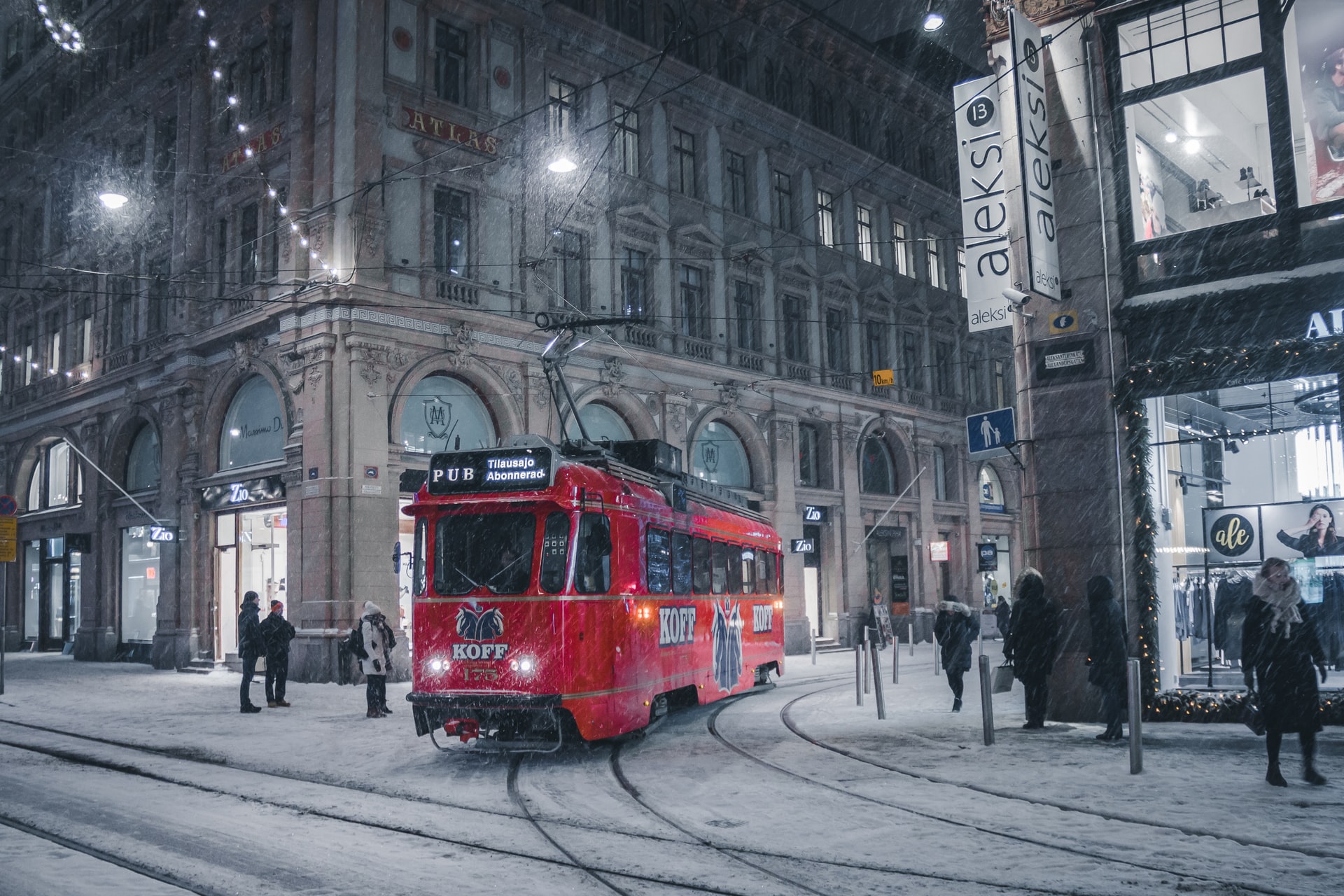
To get around Helsinki travel in the city trams. Helsinki possesses among the oldest electrical tram networks in the world and it has almost 100 kilometres of routes. Winters involve plenty of snow in Helsinki so even the shortest of journeys on trams make sense, rather than walking. Remember that snow turns to slush so you can certainly get your feet wet in Helsinki in winter.
There are plans to extend the network even further over the coming years. If you are visiting Helsinki for a few days, look at the cards that are available to cover both attractions and transport during your time there.
Conclusion
There is a high standard of living in Helsinki which regularly receives top-ranking among the best cities in the world to live in. You will find plenty to see and do in a city with numerous waterways, churches and museums. With plenty of green areas to explore during the summer months and with English widely spoken, there are few difficulties in getting around.